The brief
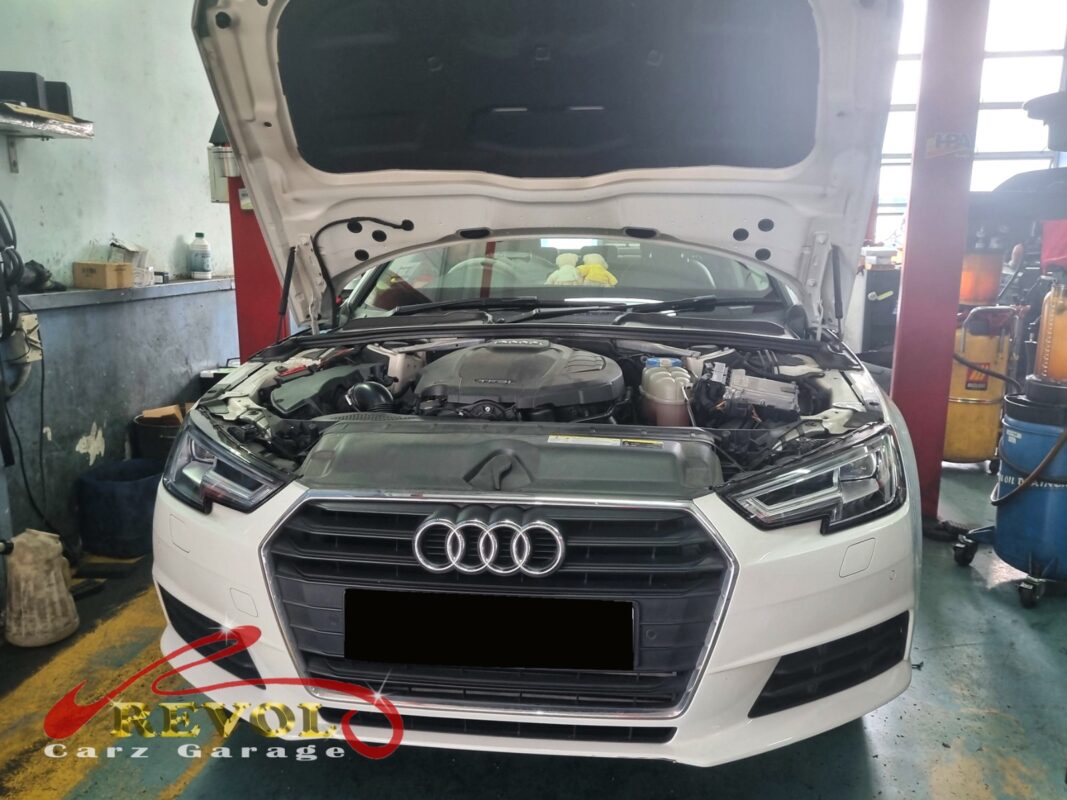
This A4 came in for a routine safety check rather than a specific complaint. No warning lights, no rough running, just the kind of thorough once-over an owner books before a long trip or before the car changes hands.
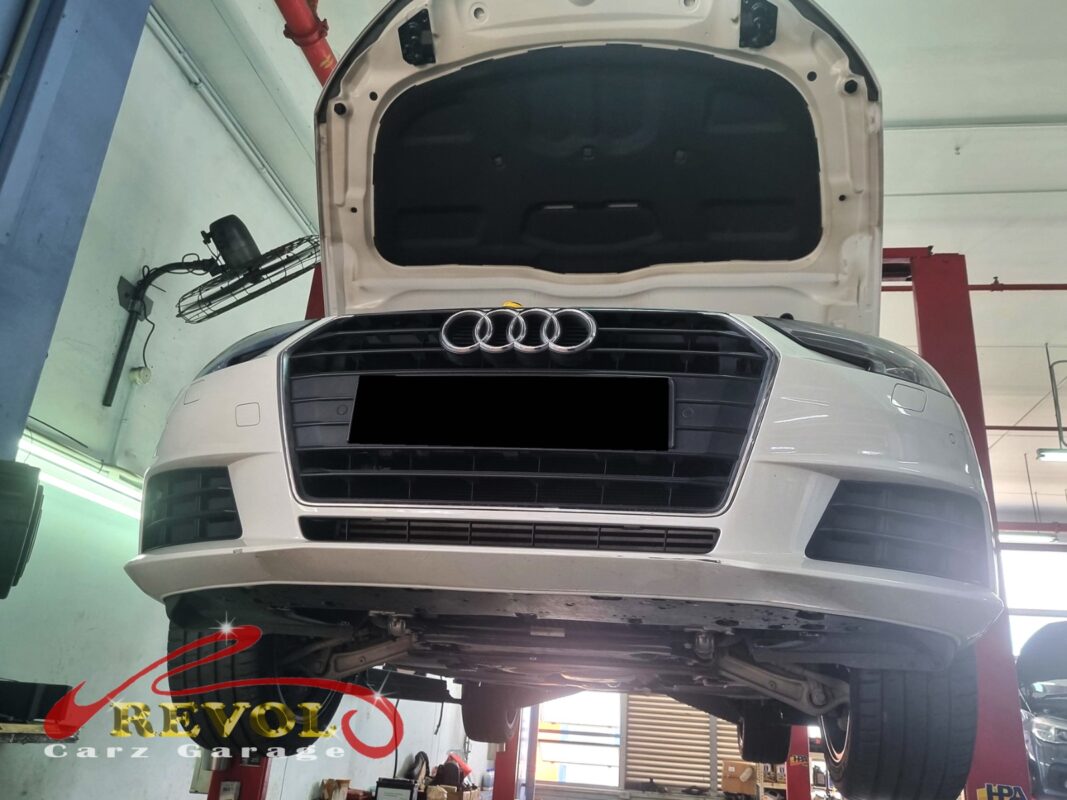
A safety check at our workshop is not a quick visual. It includes a computer diagnosis through the scan tool, a full electrical health check, and a load test on the battery, because the battery is the single most common source of an unexpected breakdown.
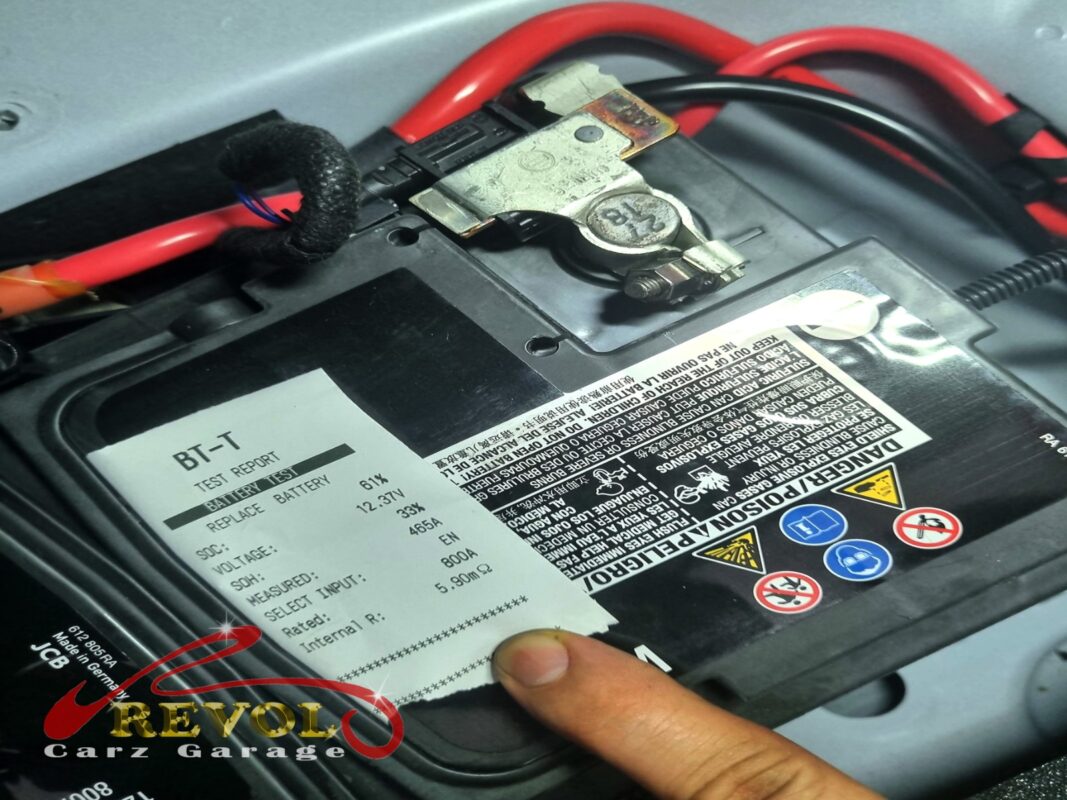
In this case, the battery test surfaced an issue the owner had not noticed yet. Cold-cranking amps were running well below rated, and voltage was dropping further than spec on a simulated start pull.
Catching that on the bench beats finding it on a Sunday morning when the car will not start in the carpark.
The diagnosis
The battery tester gave us the headline numbers. Reserve capacity low, cold-cranking amps below spec, voltage drop steeper than the manufacturer's threshold for a healthy unit.
We also checked the alternator's charging output across idle and accessory load, since a marginal alternator can drag a battery down regardless of how good the battery is. The alternator came back inside Audi's spec, which cleared it as a contributing factor.
That pinned the fault on the battery alone. With years on it, internal resistance had climbed past the point where the BMS would trust it under the modern electrical load.
For a car like the A4, the BMS being able to trust the battery matters more than people think. It controls when start-stop activates, how aggressively accessories are powered, and whether modules wake cleanly through the night. A tired battery silently degrades all of that.
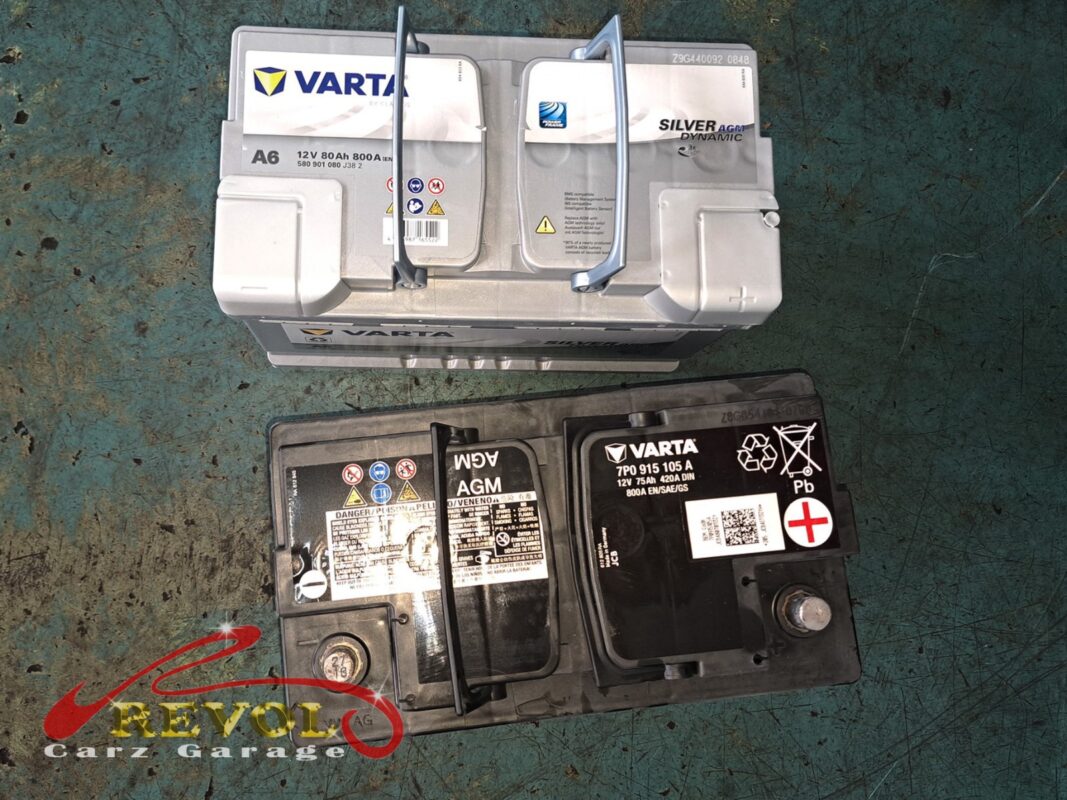
Replacement with a matched AGM unit was the right call, with a BMS re-register so the car learns it has a fresh battery.
The work
Negative terminal off first. That breaks the circuit cleanly and stops any short while the battery is moved.
The failed battery lifted out of its tray. While it was out, we wiped down the terminal posts and clamps, since a thin film of corrosion had built up at the contact faces. Fresh battery onto corroded posts is a guaranteed problem later.
The new battery is an Audi-spec AGM unit matched to the original on cold-cranking amps and reserve capacity. Bedded into the tray, hold-down clamp torqued, terminals reconnected.
Then the register step with the scan tool, so the BMS rebuilds its charging curve around the new cell. Without that step, the BMS treats the new battery like the aged one and overcharges it, which shortens its life and is the kind of thing most workshops skip because it does not show up immediately.
Last check was alternator output on the test gauge across idle and load, just to confirm the whole charging side was happy.
The outcome
Crisp half-second crank from cold the next morning, the way a healthy modern engine should fire. Headlights steady at idle. No flicker on the dashboard when accessories pulled load.
Start-stop was active and behaving normally at red lights, which is the BMS confirming it now trusts the battery's reserve.
For the owner, the practical win is the one they came in for: a car that they can rely on. The safety check turned up a fault they had not yet felt, and the fix was done before it could leave them stranded.
The new battery should now hold its full rated service life as long as the car is driven regularly enough to keep it charged.