The brief
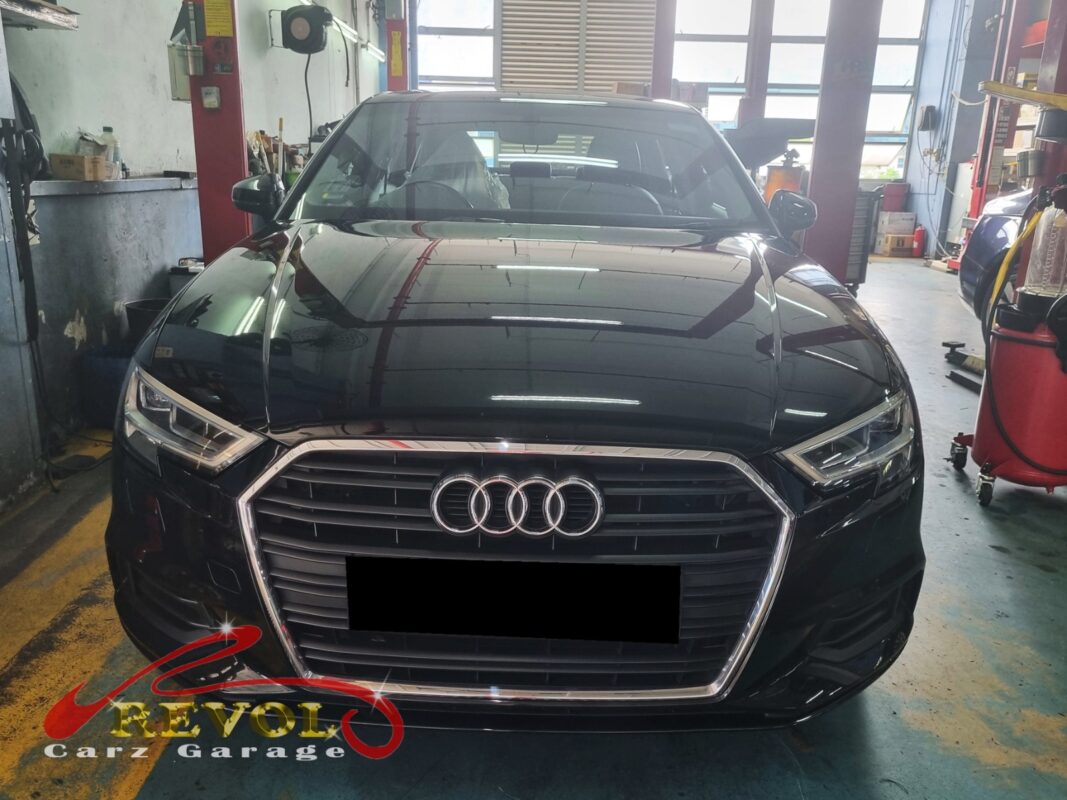
The A3 had a clunk. It showed up over bumps, the kind of sharp metallic knock from the suspension that you feel through the floor and hear at the same time.
It came with three other things. Body roll had increased in faster corners, the car leaning more than it used to. The front tyres were wearing unevenly. And the steering felt slightly loose at speed, a bit of slack on-centre that was not there before.
Four symptoms, and they point at the anti-roll bar links: the small rod-and-ball-joint connectors that tie the anti-roll bar to the suspension. When the ball joints in those links wear loose, the bar can no longer do its job cleanly, which gives you the clunk, the extra body roll, the loose steering, and over time the uneven tyre wear.
The diagnosis
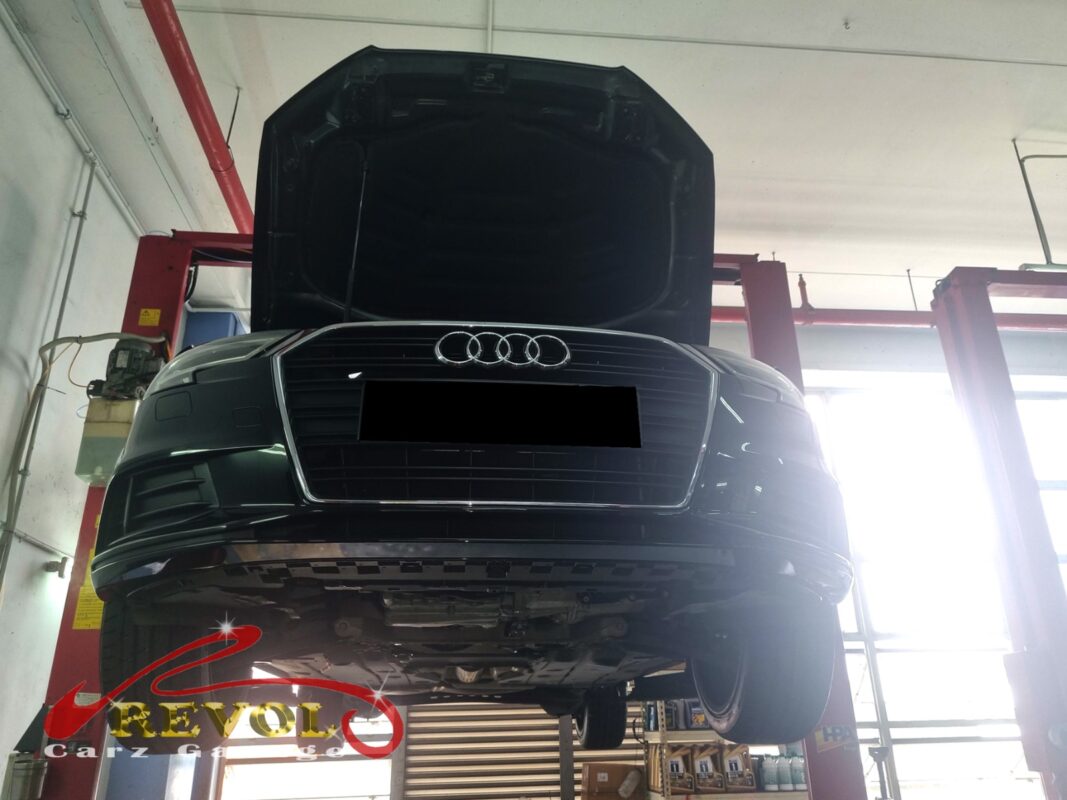
A pry-test confirmed it straight away. The anti-roll bar links had loose ball ends, the joints rattling when levered rather than holding firm, and the rubber boot on one was split, which lets water and grit in to finish the joint off faster.
Replacing one and leaving the other would leave a stiffness mismatch side to side, which makes the car handle worse, not better. And the rest of the links were the same age, showing their own play. So the call was the full set of anti-roll bar links, replaced together rather than one at a time.
The work
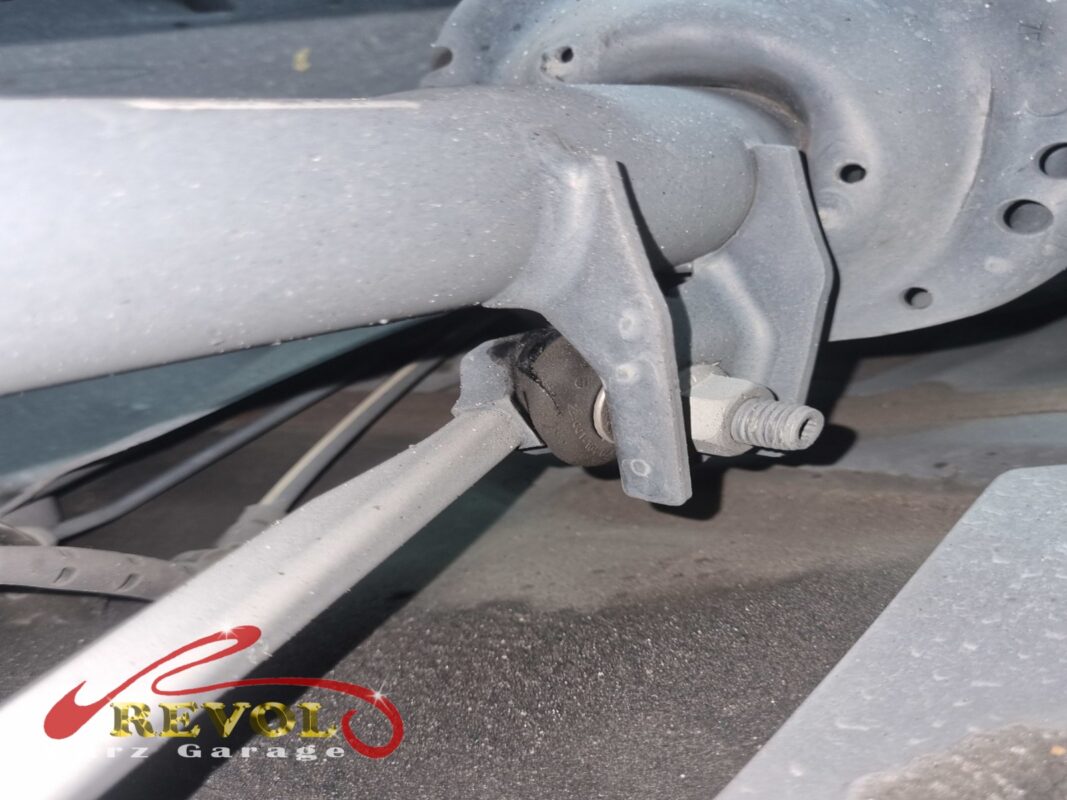
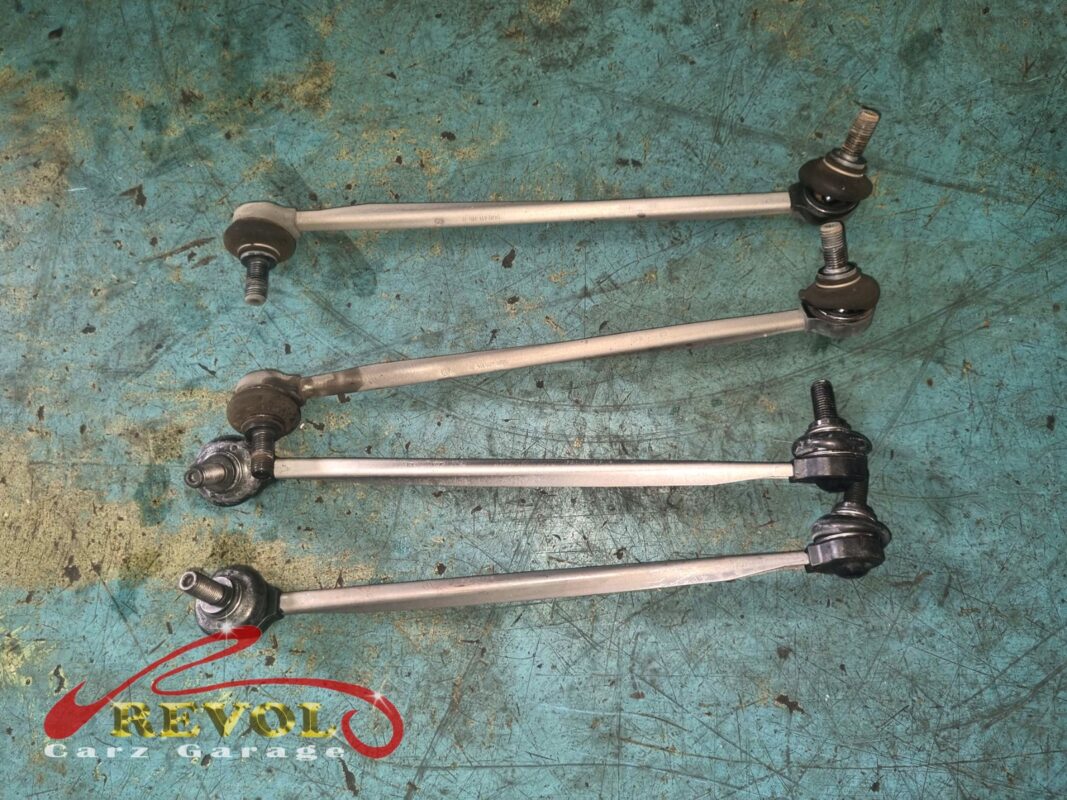
Removed the worn anti-roll bar links. New VAG-spec replacements went in, ball-stud nuts torqued to the workshop manual values.
The ball-stud nut torque matters more than it looks. Too loose and the new link rattles within weeks; too tight and you can damage the joint as you fit it. Each one gets the manufacturer's figure.
Then the car rolled off for a settle cycle, bouncing the suspension to seat everything, and an alignment check to confirm the geometry was still where it should be after the work.
The outcome
The clunk gone over bumps. Body roll cut back in corners, the car sitting flatter. The steering tightened up on-centre, the slack at speed gone. Alignment confirmed in spec.
The A3 went home with the front end behaving as a unit again. For the owner, the practical wins are a quieter, more composed car and front tyres that will now wear evenly, rather than being scrubbed unevenly by an anti-roll bar that could not control body movement properly.
A small set of parts, but ones that change how the whole car feels.