The brief
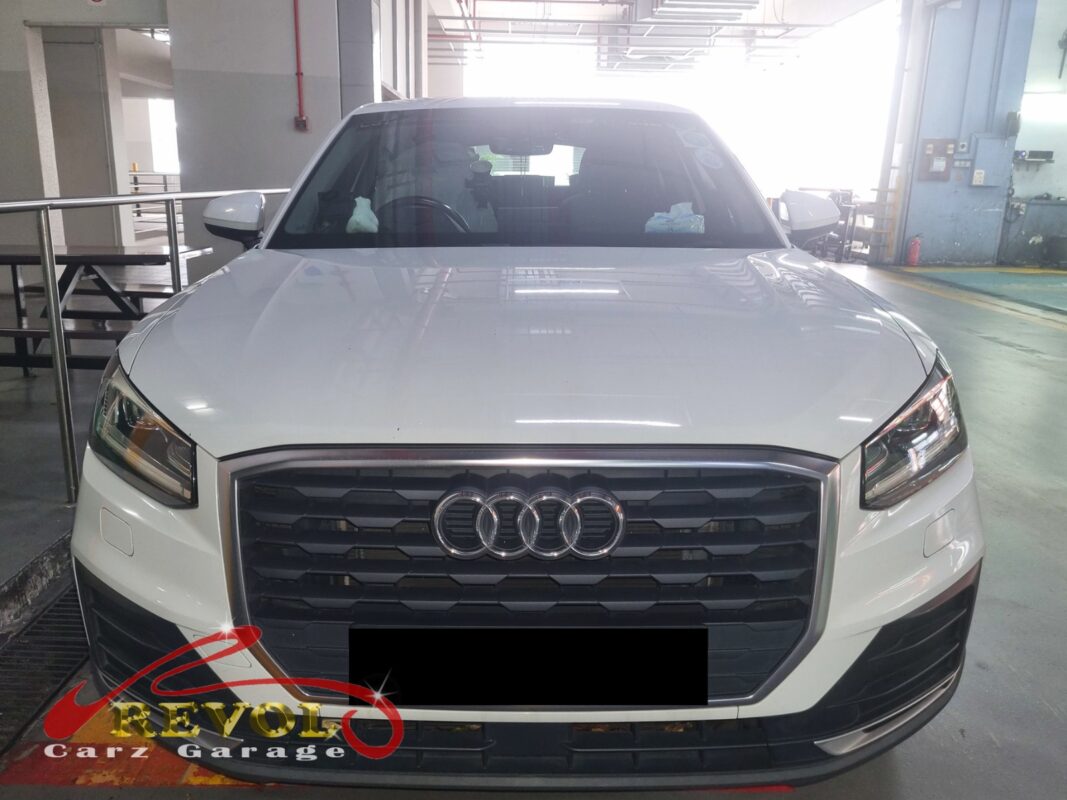
The Q2 had been burning oil. Not a sudden problem, but a steady one: the owner had got into the habit of topping up about once a month. Under heavier load he could see a faint blue haze in the rear-view mirror. And the idle had grown rough at lights.
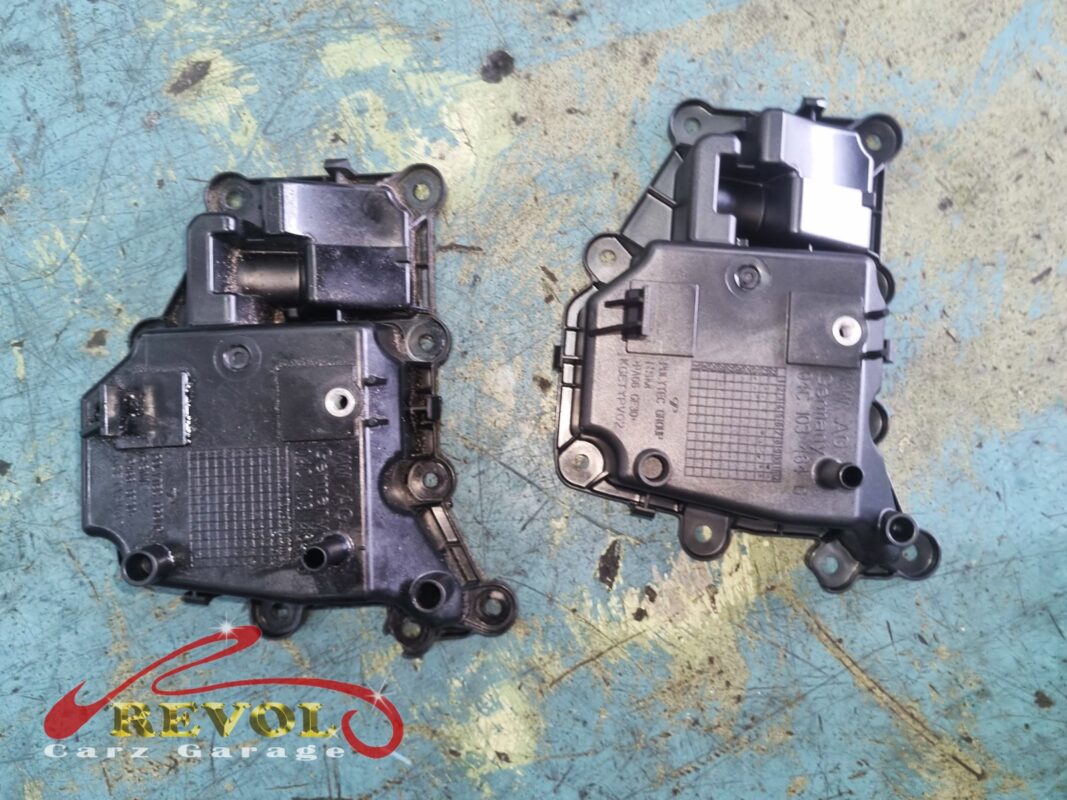
That combination, oil consumption, blue smoke under load, and a rough idle, is the classic signature of a PCV system fault. The PCV is the crankcase ventilation, and at the heart of it on this engine is the oil separator: a unit that pulls the oily mist out of the crankcase, drops the oil back, and feeds the cleaned air to the intake.
When the diaphragm inside it fails, that whole system stops working properly.
The diagnosis
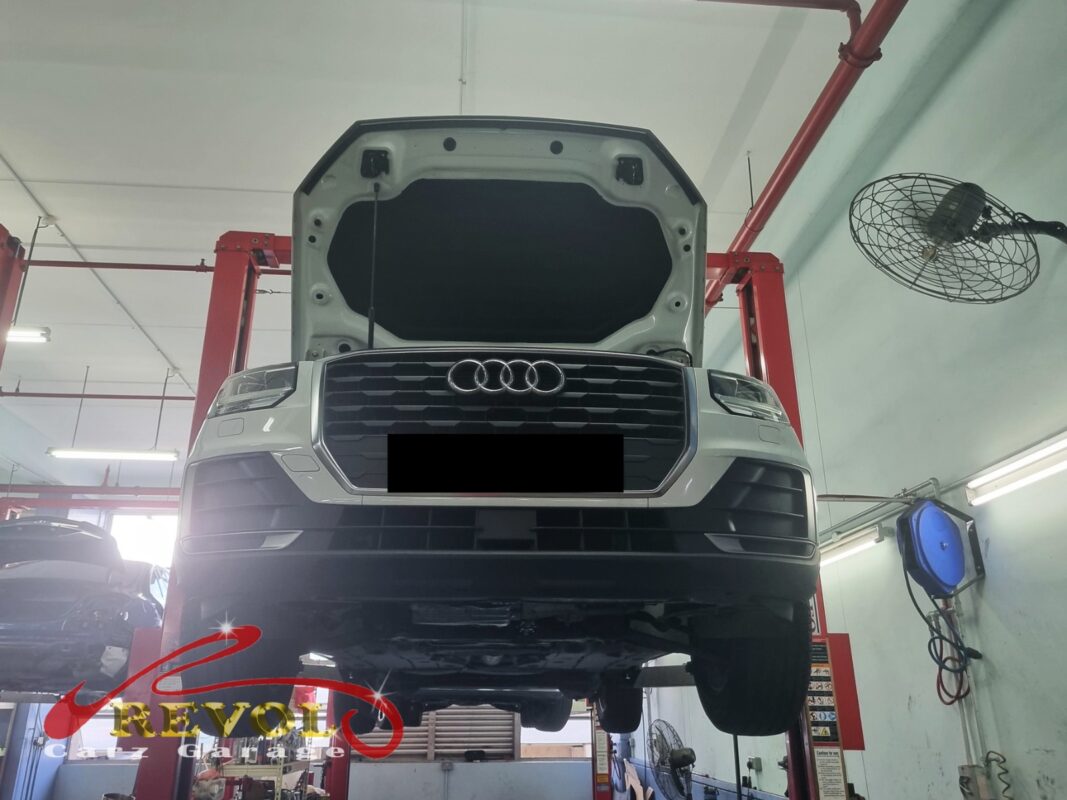
The scanner pointed straight at the PCV, and the live data confirmed it. The diaphragm inside the oil separator had collapsed, which on this design draws the engine into a constant vacuum leak it cannot compensate for, hence the rough idle.
And it explained the oil burn. With the diaphragm collapsed, crankcase mist was being pulled straight through the unsealed PCV path into the intake, where it gets burnt with the fuel, which is the blue smoke and the monthly top-up.
This is a known failure on this engine family. The plastic diaphragm ages and gives way. There is no fix short of replacing the separator unit.
The work
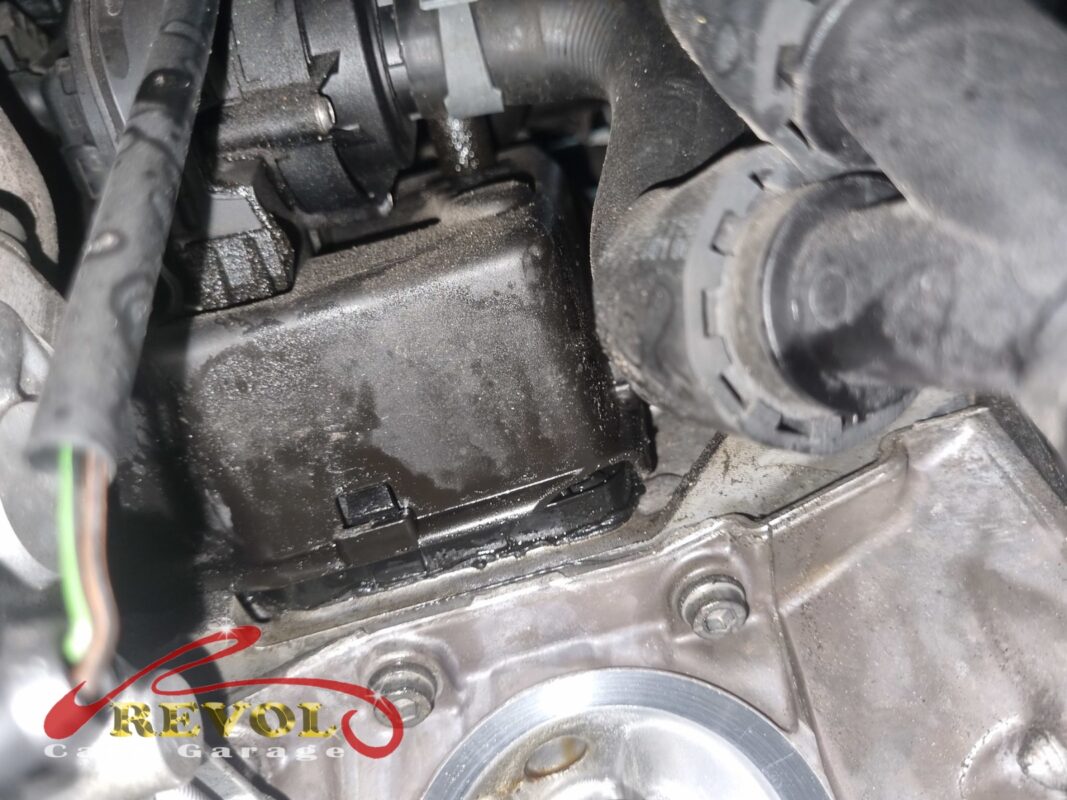
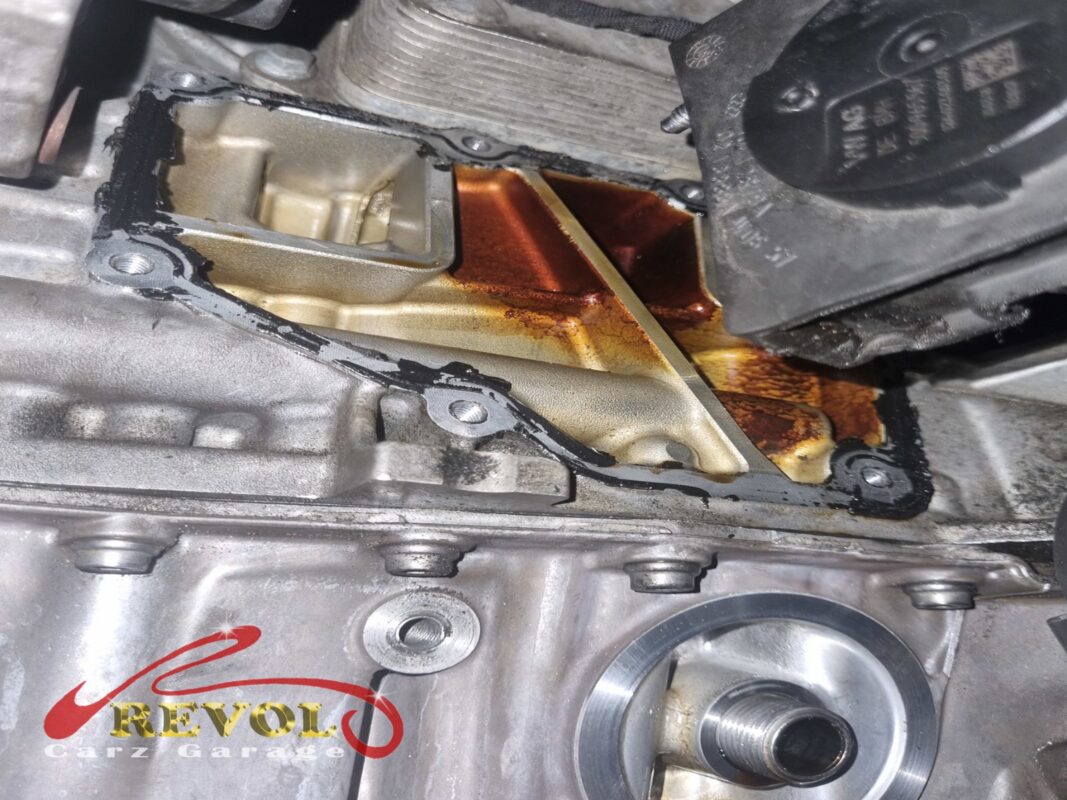
Removed the failed oil separator from the side of the engine. Fitted a new VAG-spec PCV unit with fresh seals, then reseated the breather hoses with new clamps, since old clamps that have been hot for years rarely seal cleanly again.
Then cleared the stored fault codes on the scanner and checked the live PCV data to confirm the crankcase pressure was being regulated properly again.
The outcome
Idle steady. No blue smoke under load. Oil consumption back to normal, no more monthly top-ups.
The Q2 went home with the PCV system regulating crankcase pressure properly again. For the owner, the practical wins are an engine that holds its oil between services, a clean tailpipe, and a smooth idle at the lights.
And catching a collapsed PCV diaphragm at this stage matters: left running, the constant oil mist through the intake can foul the intake tract, the valves and the catalyst over time, which turns a simple part into a much bigger job.