The brief
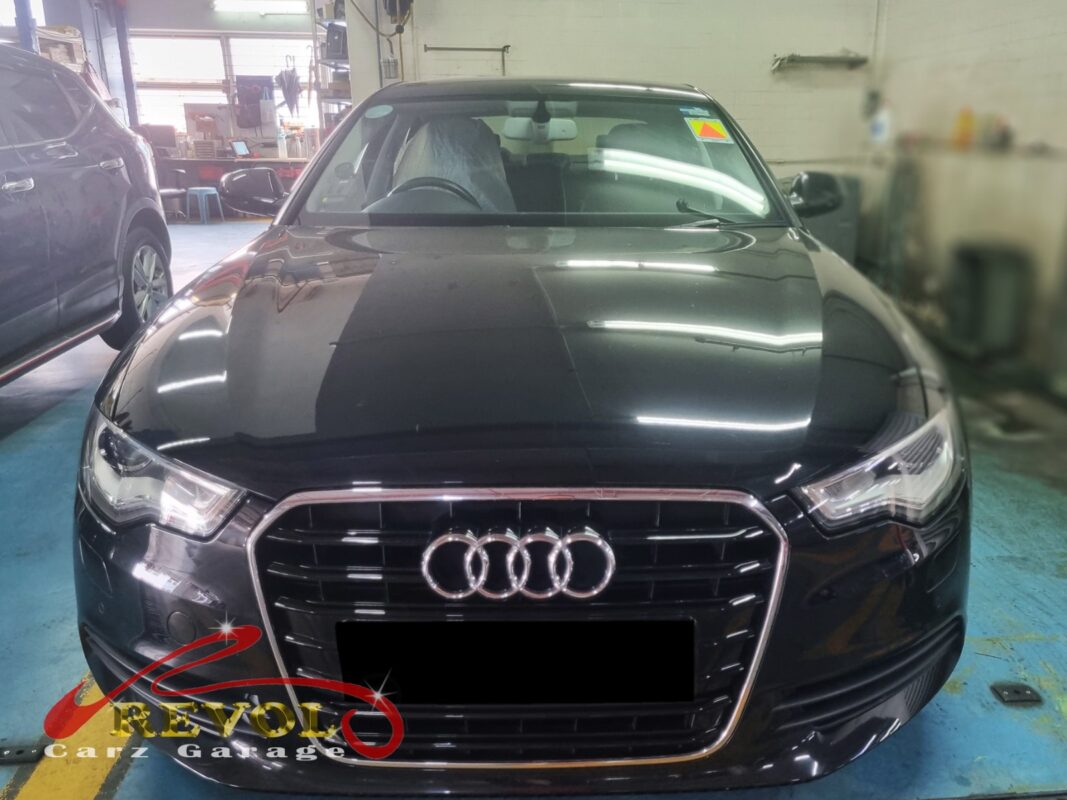
The A6 had been hunting at idle, the RPM swinging up and down more than it should at a standstill. The steering wheel was vibrating subtly at the lights, which is the engine's unsteadiness coming through the mounts. And the check engine light was on.
That cluster, an unstable idle plus vibrations plus a warning light, points back at the crankcase ventilation. The oil-gas separator, the PCV unit, is supposed to pull oily mist out of the crankcase, drop the oil back, and feed cleaned air to the intake under a controlled vacuum. When the diaphragm inside it fails, that control goes, and the engine ends up fighting a vacuum leak it cannot quite compensate for.
The diagnosis
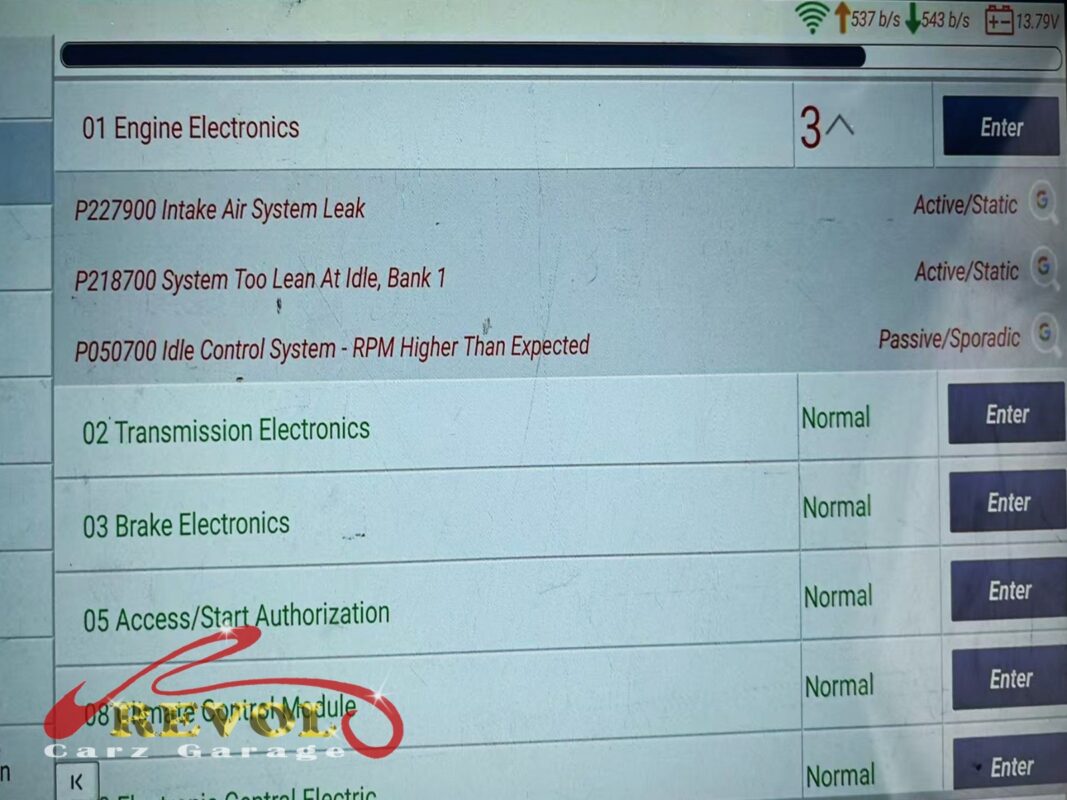
The scanner told the story plainly. The codes were 'intake air system leak', 'system too lean at idle', and 'idle control RPM higher than expected'. That set is the signature of unmetered air getting into the engine, which is exactly what a collapsed PCV diaphragm does: it opens a path the engine's air sensors do not see, so the mixture goes lean and the idle control system keeps adjusting to chase it.
Live data confirmed the diaphragm inside the separator had collapsed. There is no fix for that short of replacing the separator unit, which is a known wear point on this engine family.
The work
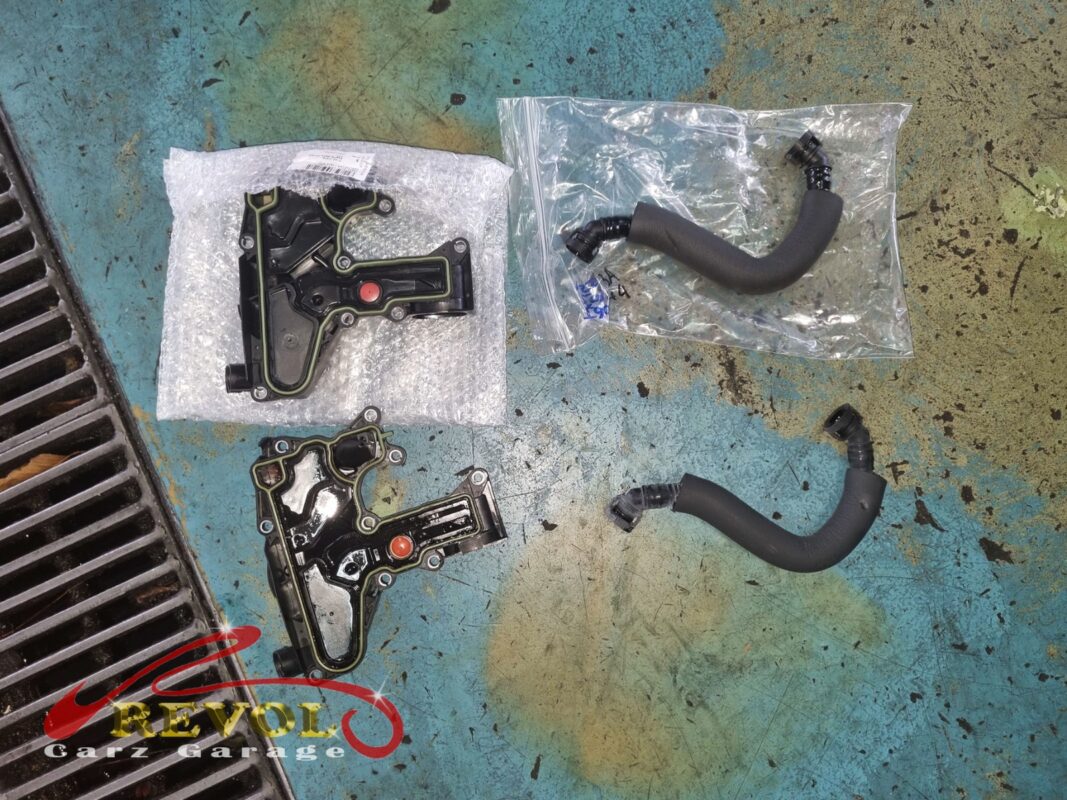
Removed the failed oil-gas separator. Fitted a new VAG-spec PCV unit with fresh seals, then reseated the breather hoses, with new clamps, because old clamps that have been hot for years rarely seal cleanly again, and on a system that depends on holding a precise vacuum that matters.
Then cleared the stored fault codes on the scanner and checked the live PCV data to confirm the crankcase pressure was being regulated properly again.
The outcome
Idle steady, no more hunting. No vibrations at the lights. The RPM holding cleanly. Check engine light off.
The A6 went home with the PCV system regulating crankcase pressure the way it should. For the owner, that means a smooth idle at a standstill, no buzz through the wheel, and a warning light gone.
And catching a collapsed PCV at this stage matters: left running, the unmetered air keeps the engine running lean, which over time is hard on the catalyst and the engine, so a small part left alone can become a much bigger bill.