The brief
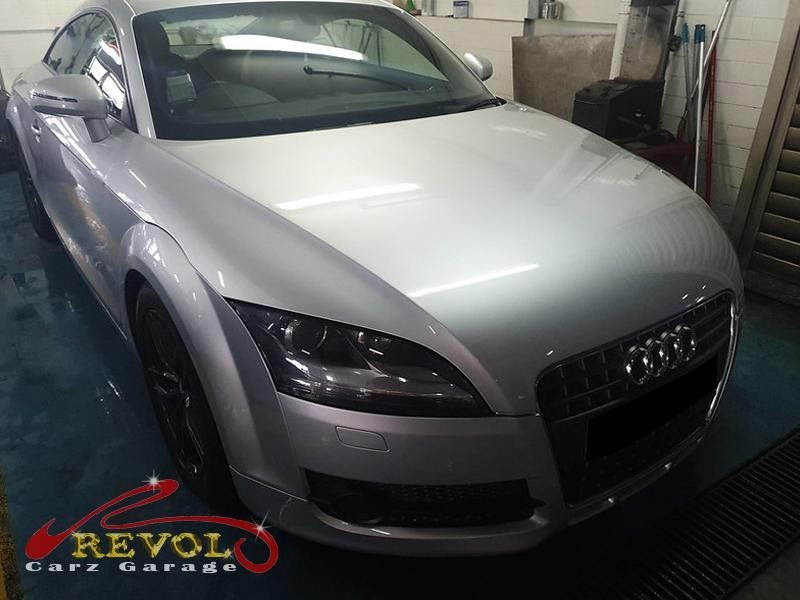
Cindy's TT had a check engine light that wouldn't go away, and the engine was running rough with it, so she brought it in. A check engine light is the car flagging something outside spec, and ignored it can mean a part dragging others down with it or a driveability problem that only gets worse, so it needed reading and fixing at the source. We ran the Audi diagnostic on it, because the live data behind the code is what tells you whether a sensor is faulty or just reporting a fault upstream. On these turbocharged engines a common culprit is the diverter valve, the valve that releases boost pressure when you lift off the throttle. It works hard, and the diaphragm inside it tears or the valve sticks, which lets boost leak and confuses the engine's air metering, so you get a boost-related code, rough running, and a flat spot. A failed diverter valve doesn't recover, so it gets replaced.
The diagnosis
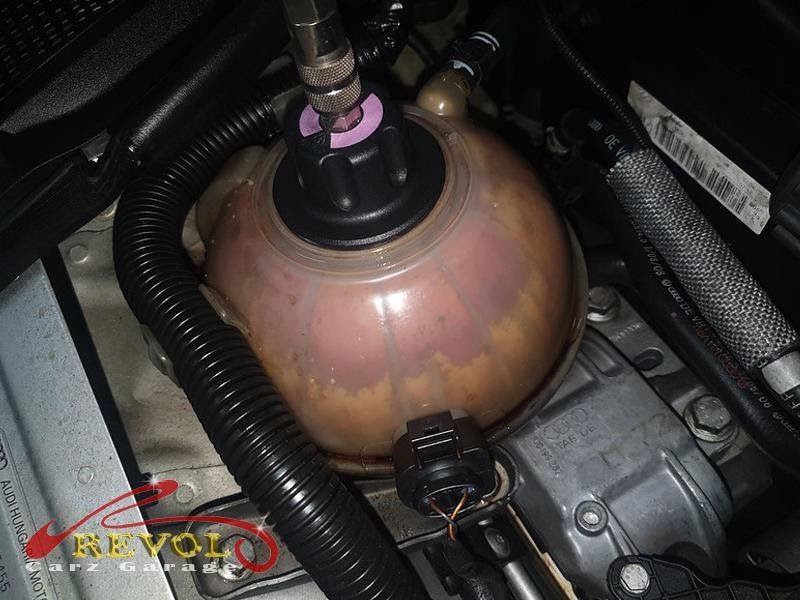
The Audi diagnostic pulled the stored fault and the live data showed a boost deviation, the actual boost not matching the target, and a check found the turbo diverter valve had failed, the diaphragm gone, which is the rough running and the flat spot. The rest of the boost system, the charge pipes and the wastegate, held up fine. That's a diverter valve replacement and a reset of the engine's adaptations so it relearns on a system that holds boost properly.
The work
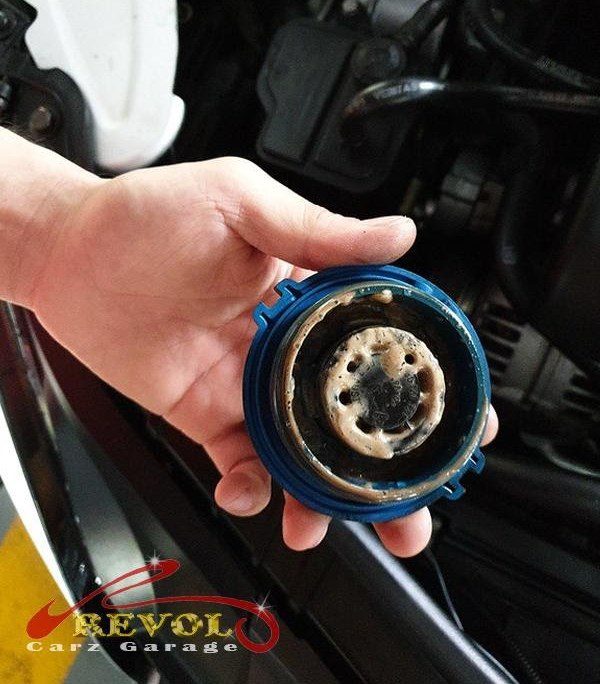
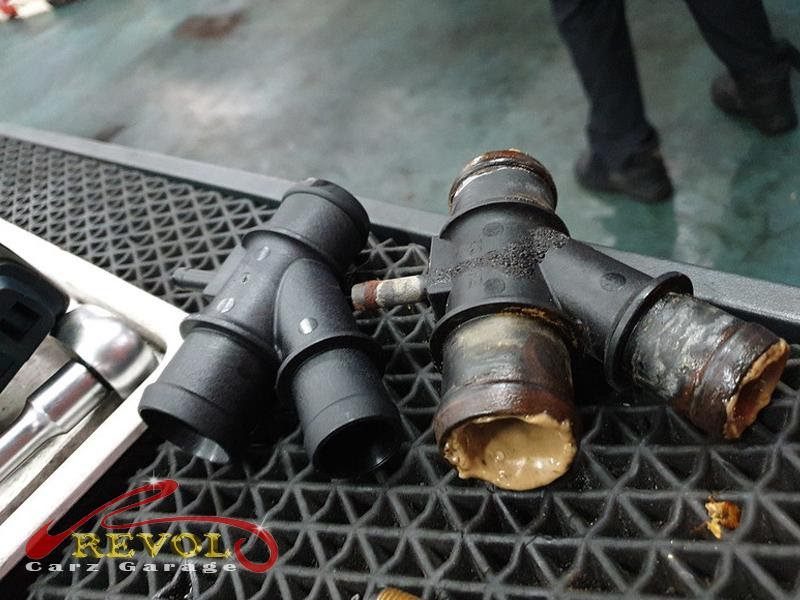
The old turbo diverter valve was removed and a new genuine Audi-spec valve fitted with a fresh seal, the charge pipes and the intake checked for leaks while it was apart so nothing else was throwing the boost off. The fault was cleared, the engine's adaptations reset, and the air filter checked. A road test confirmed the light stayed off, the idle steady, the boost came on cleanly with no flat spot, and the power was back.
The outcome
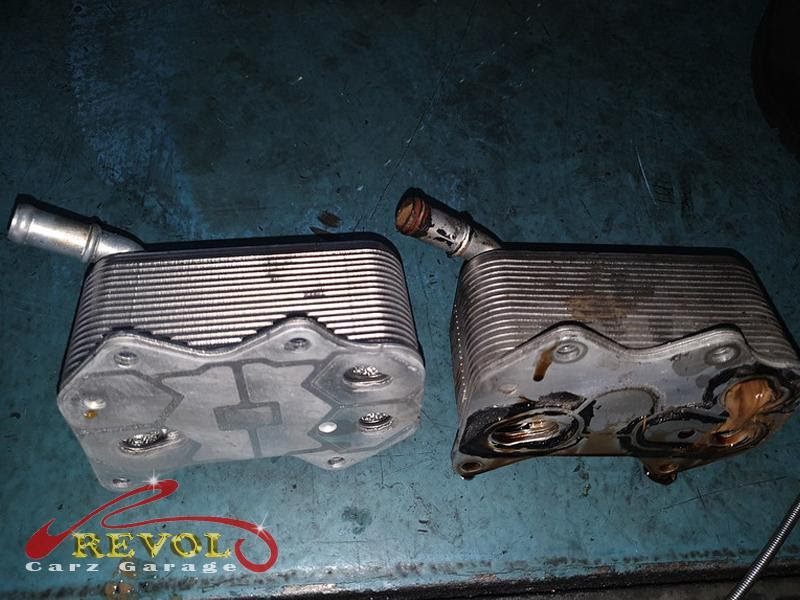
No check engine light, a steady idle, clean boost with no flat spot, full power back, and the fuel trims in range. The TT went home running properly with the light out. Reading it on the Audi system meant we replaced the part that was actually faulty rather than throwing parts at a generic code, so it was one visit and done.