The brief
This Q5 came in with an oil pressure warning on the dash, and a brake check while it was in showed the rear brakes were down to the wear line. Two jobs in one visit: confirm and fix the oil pressure warning, and do the rear brakes before they were metal on metal. An oil pressure warning is one you never wave off, low oil pressure destroys an engine in minutes, so the first job is to measure the actual pressure and find out whether it's real or the car is misreading it. The oil pressure switch is the little sender that tells the dash what the pressure is, and it sits in hot oil for years until it fails and reports a pressure that isn't real, lighting the warning on a healthy engine. The rear brake pads, meanwhile, wear with use, and once they hit the wear line they need changing, with the discs too if they've scored.
The diagnosis
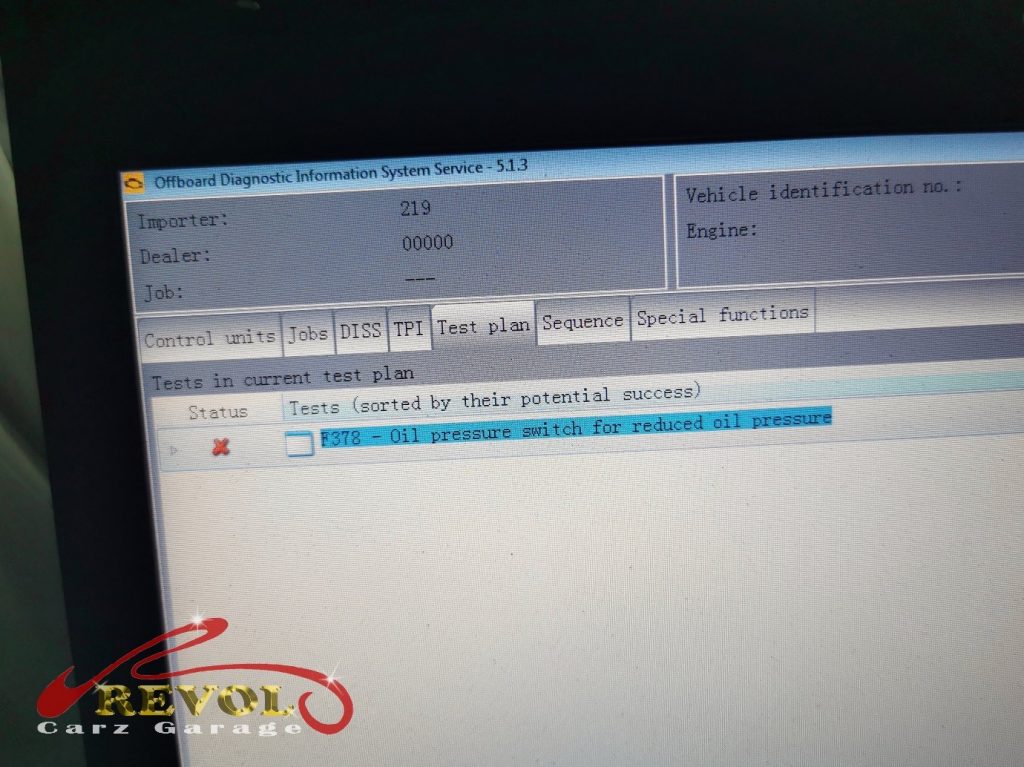
We measured the actual oil pressure first, it was good, healthy across the rev range, no leak, no consumption. The oil pressure switch was reading wrong, which is the false warning. At the back, the rear brake pads were worn down to the wear line and the discs lightly scored from running thin, due a change as a set. So it was an oil pressure switch replacement plus rear pads and discs, rather than tearing into an engine that was running fine.
The work
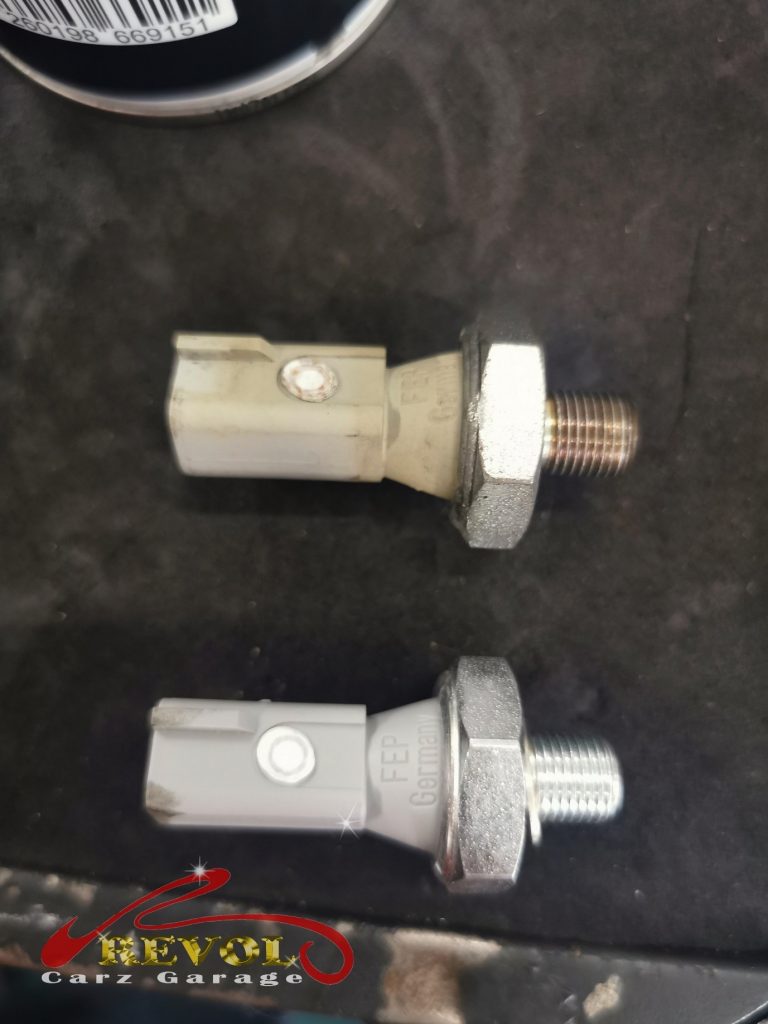
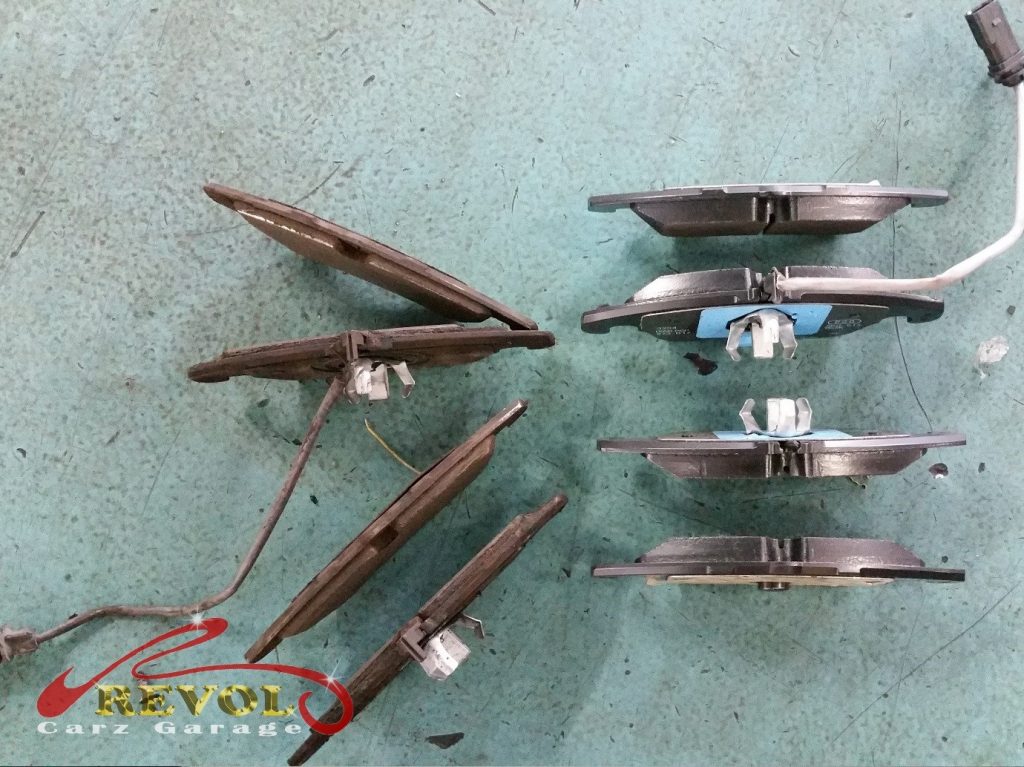
The faulty oil pressure switch was removed and a new genuine Audi-spec switch fitted with a fresh seal, the fault cleared and the system checked to be reading the pressure correctly. At the rear, the worn pads and scored discs were removed, the calipers cleaned and the slides freed, and new genuine Audi-spec discs and pads fitted, every fastener torqued to the manual figures and the brakes bedded in. A road test confirmed the oil warning stayed off, the pressure reading correctly, and the rear brakes pulling up firm and even.
The outcome
No oil pressure warning, the pressure reading correctly on a healthy engine, and the rear brakes firm, even, and quiet. The Q5 went home with the false alarm sorted and the brakes done. Measuring the oil pressure before swapping the switch meant we fixed the actual fault rather than an engine that didn't have one, and doing the rear pads and discs together kept the braking right.