The brief
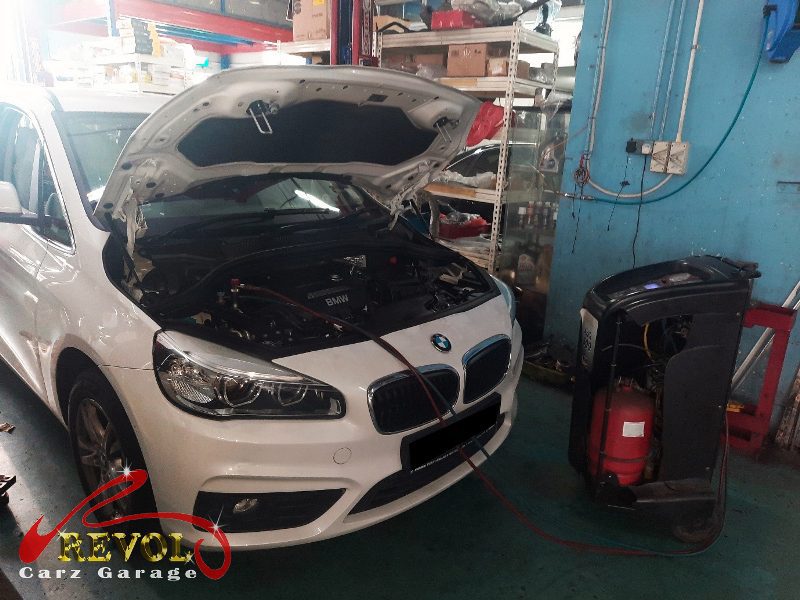
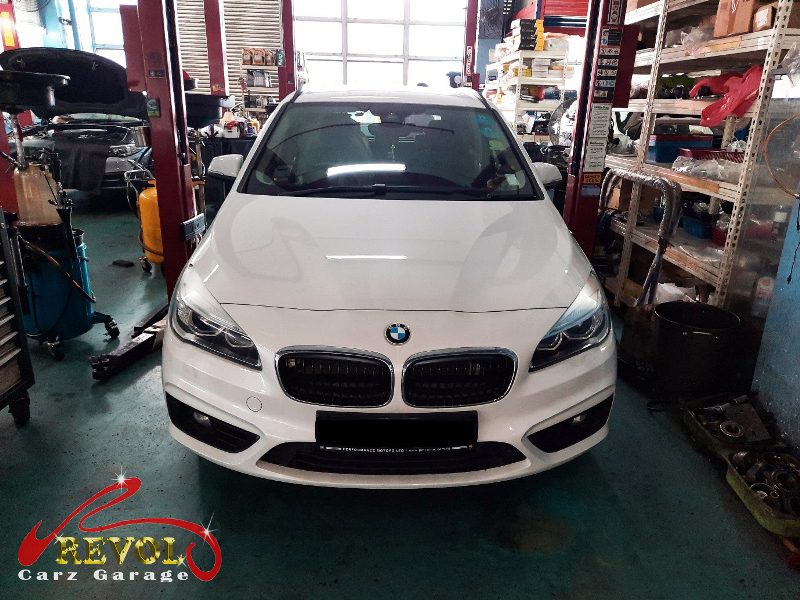
The 216d came in for a BMW safety inspection, the kind that goes through all the safety-relevant components and flags anything on its way out. This time it caught the battery, getting on in age and weak on the load test, the sort of thing that strands you on a bad morning. The owner had it sorted while it was in. The battery starts the car and steadies the voltage for everything electronic while it runs. They wear out, the capacity drops, and once it can't hold a proper charge you get slow starts and odd electrical behaviour. On a BMW the new one has to be registered with IBS, the battery management system, so the charging system knows it's fresh and charges it correctly. A worn battery doesn't recover, so it needs replacing and coding in, the proactive job that beats a roadside breakdown.
The diagnosis
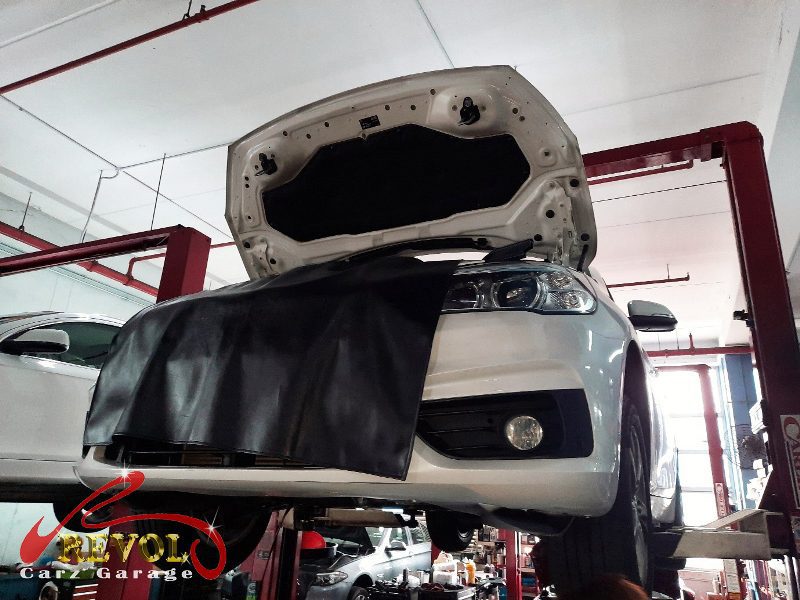
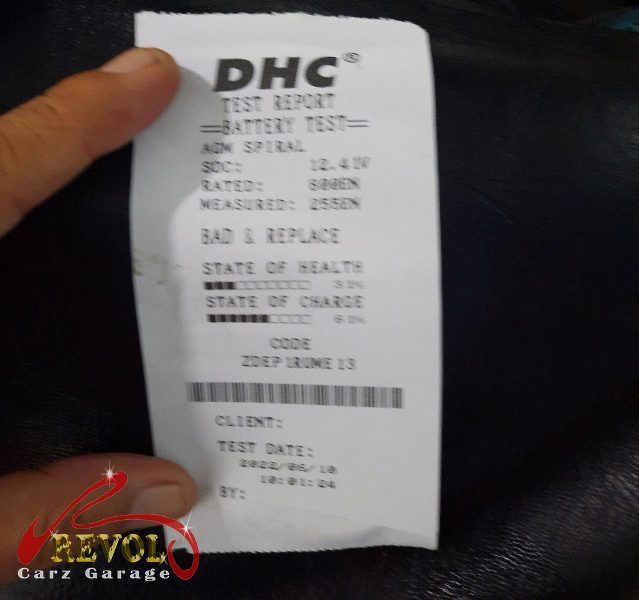
The safety inspection went through the lot, and the battery test had it down, failing the load test and unable to hold voltage. The alternator was charging fine, it was just the battery near the end of its life, caught before it failed. So it was a battery replacement, the correct type and rating, fitted and then registered with IBS so the charging would manage it properly.
The work
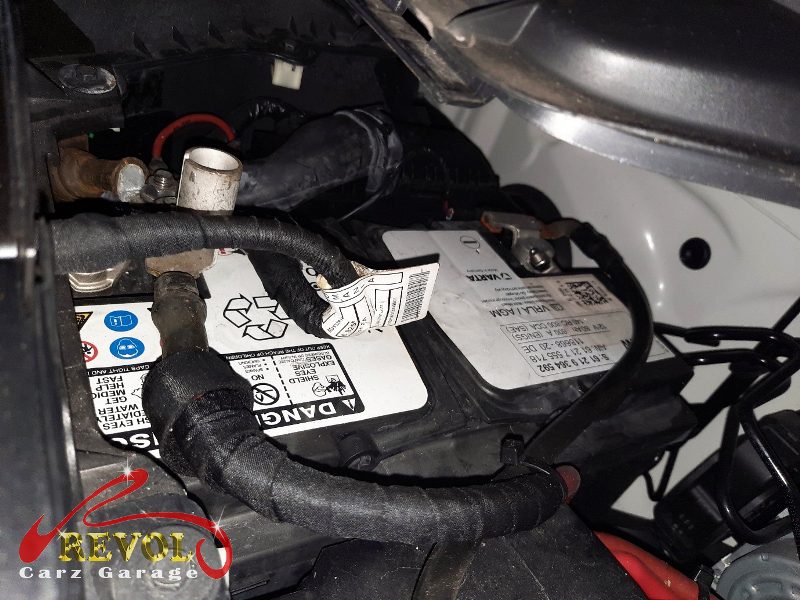
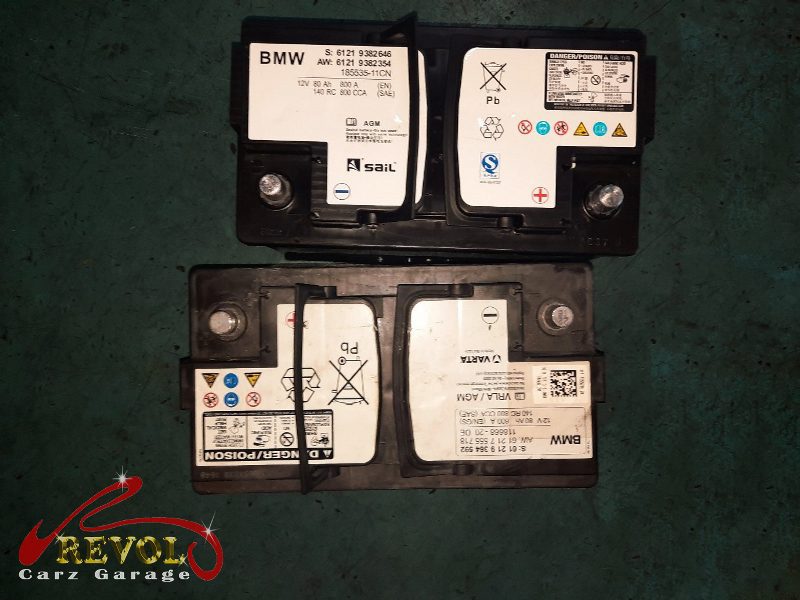
The old battery was removed and a new genuine BMW battery of the correct type and rating fitted, the terminals cleaned and the clamp torqued properly. The new battery was then registered with IBS so the charging system recognised it as fresh, and any stored low-voltage faults were cleared. A quick run confirmed a strong crank, steady voltage, and the electrics behaving normally.
The outcome
Strong starts, steady voltage, no odd electrical behaviour, and the new battery registered so the charging system looks after it, all caught before it could leave the owner stranded. The 216d went home sorted. A tired battery only fails harder, so catching it on the safety inspection and changing it, coded in properly, headed off the breakdown before it happened, exactly what the inspection is for.