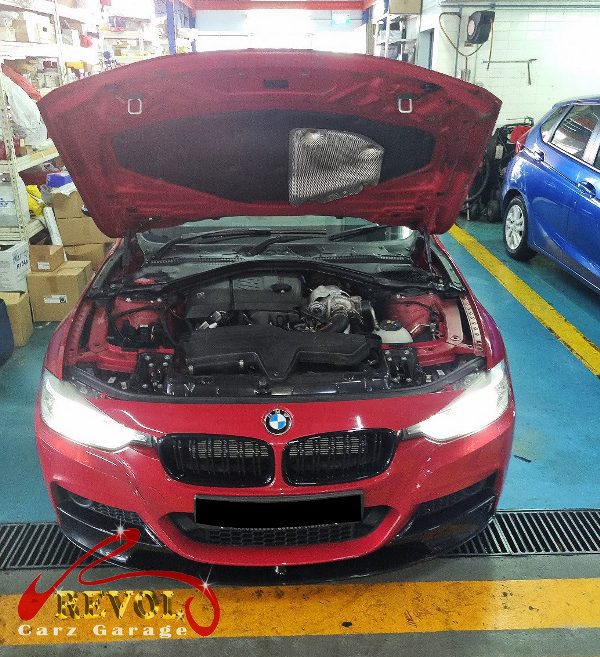
The brief
The 316i had a check engine light on, with a flat spot in the power and the idle not quite right, and a fault code pointing at the exhaust-side variable valve timing. He brought it in. That's the exhaust VANOS solenoid. BMW's VANOS adjusts the camshaft timing on the fly to suit the engine speed and load, and a solenoid valve controls the oil flow that moves the cam. On the exhaust side, when that solenoid clogs or fails, the cam can't be adjusted properly, so the timing gets stuck or wanders, which costs you smoothness, response and economy, and the engine management sees the cam isn't where it asked for and lights the dash. A failed VANOS solenoid doesn't recover, so it needs replacing, and the solenoid screen cleaning out while you're there.
The diagnosis
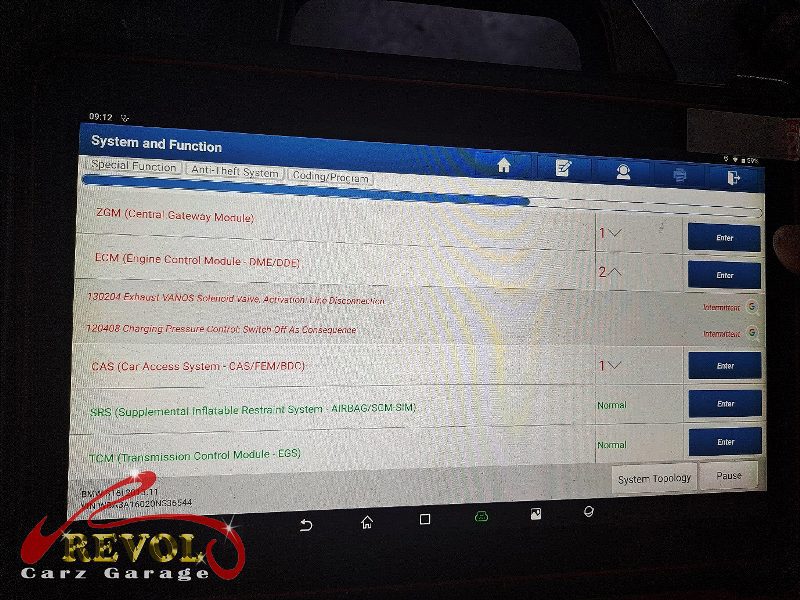
Diagnostics confirmed it, an exhaust VANOS fault logged, and a check showed the solenoid wasn't controlling the oil flow cleanly, the cam timing not following the commanded position on the exhaust side. The cam timing chain side, the intake solenoid and the rest of the engine checked out. That's a solenoid replacement, you don't rebuild one, so the call was a new genuine VANOS solenoid, the oil feed screen cleaned, and the codes cleared.
The work
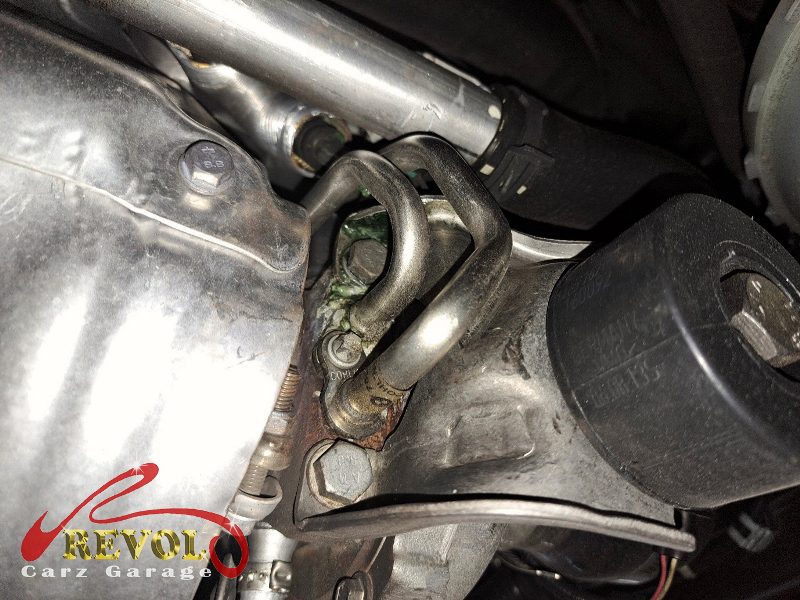
The old exhaust VANOS solenoid was removed, the oil feed screen cleaned of any debris, and a new genuine BMW-spec solenoid fitted with a fresh seal. Then the fault codes were cleared and the VANOS adaptations reset so the engine could relearn against a solenoid that was controlling the timing properly. A road test confirmed a steady idle, the flat spot gone, smooth response through the rev range, and the light staying off.
The outcome
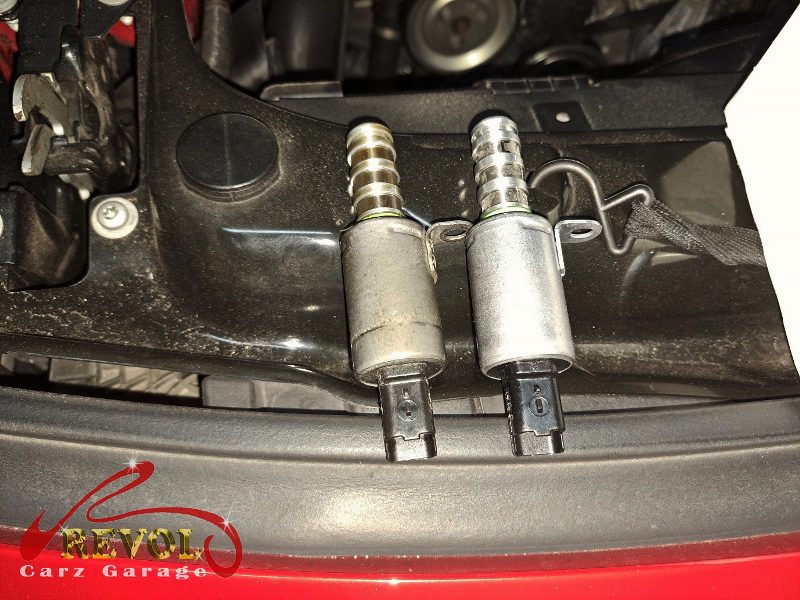
Steady idle, smooth response, the flat spot gone, no warning light, and the variable valve timing back in control on the exhaust side. The 316i went home running properly again. A failed VANOS solenoid robs the engine of the timing adjustment it's designed around, so changing the solenoid, cleaning the screen and letting the engine relearn put the running right.