
The brief
The 316i had thrown a low oil pressure warning, with a ticking or knocking from the engine that was worst on start-up and under acceleration. He brought it in. That combination points at the oil pressure regulating valve. That valve's job is to hold the engine's oil pressure where it should be. When it fails, the pressure fluctuates instead of staying steady, so the parts that depend on a solid oil supply, the cam adjusters, the tensioners, the bearings, get short-changed at the wrong moments, which is the ticking and knocking, and the dropping pressure triggers the warning. A faulty regulator valve only gets worse, and an engine starved of oil pressure wears, so it needs the valve changed before it does damage.
The diagnosis
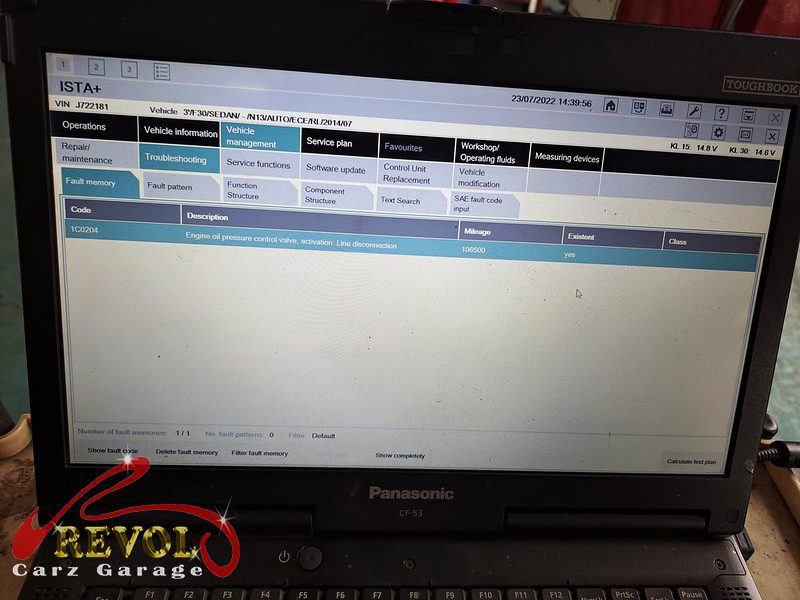
Diagnostics confirmed it, oil pressure faults logged, and a check showed the pressure wasn't being held steady, fluctuating below where it should sit, with the regulator valve the source, not a worn pump or a blocked pickup. The codes pointed at the oil pressure side. That's a valve replacement. The regulator is a sealed component, you don't rebuild it, and one that's not regulating only gets worse, so it was getting changed.
The work
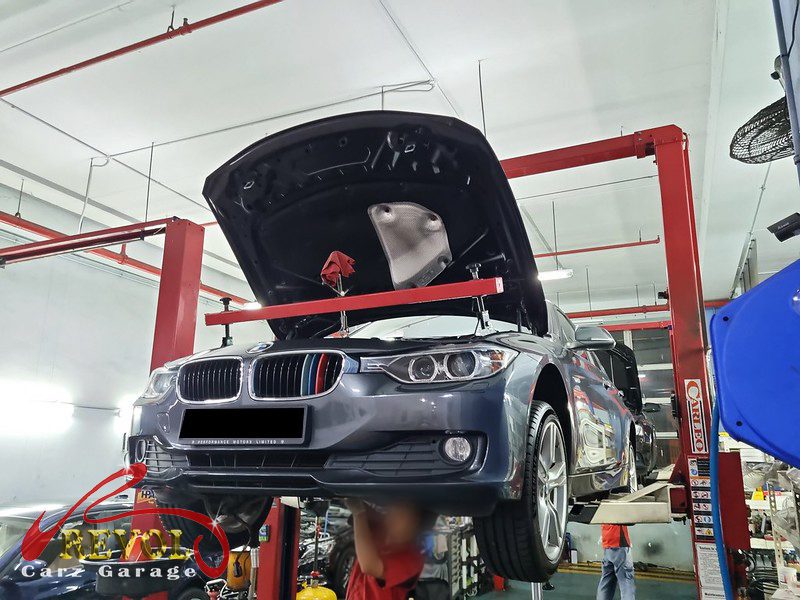
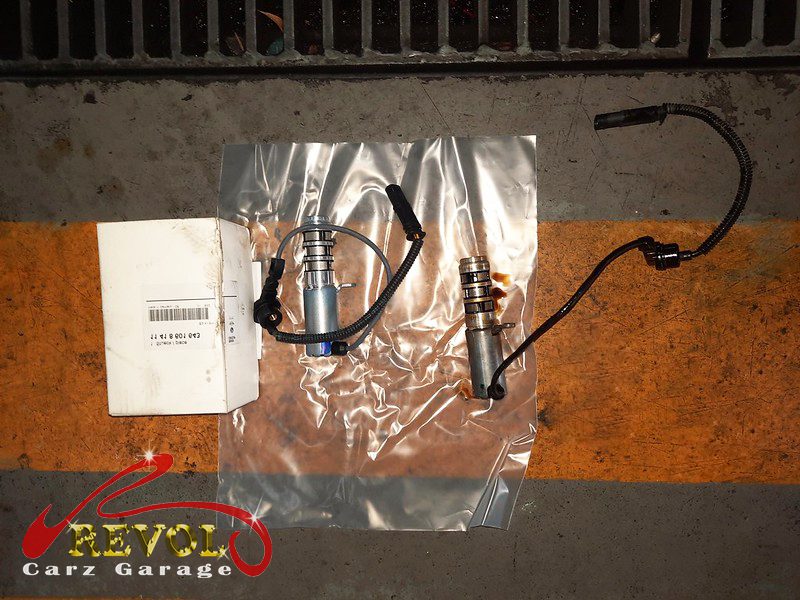
The old oil pressure regulating valve was removed, and a new genuine BMW-spec valve fitted with fresh seals, the area cleaned up. Then the oil pressure was checked across idle and load to confirm it was now holding steady, and the stored fault codes cleared. A road test confirmed the ticking and knocking were gone, the warning stayed off, and the engine ran quiet.
The outcome
Steady oil pressure, no ticking or knocking on start-up or acceleration, no warning light, and a quiet engine. The 316i went home with the running properly sorted. A faulty oil pressure regulating valve makes a healthy engine sound terrible and quietly wears it the longer it's left, so changing the valve and confirming the pressure put it right.