The brief
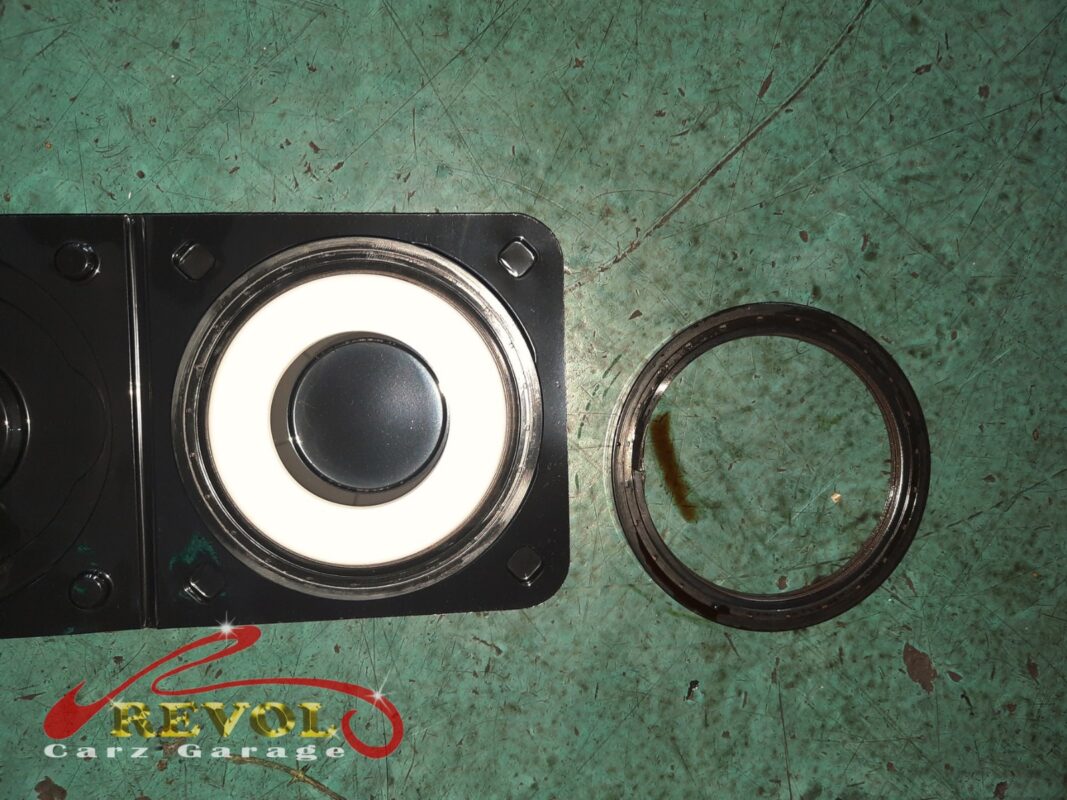
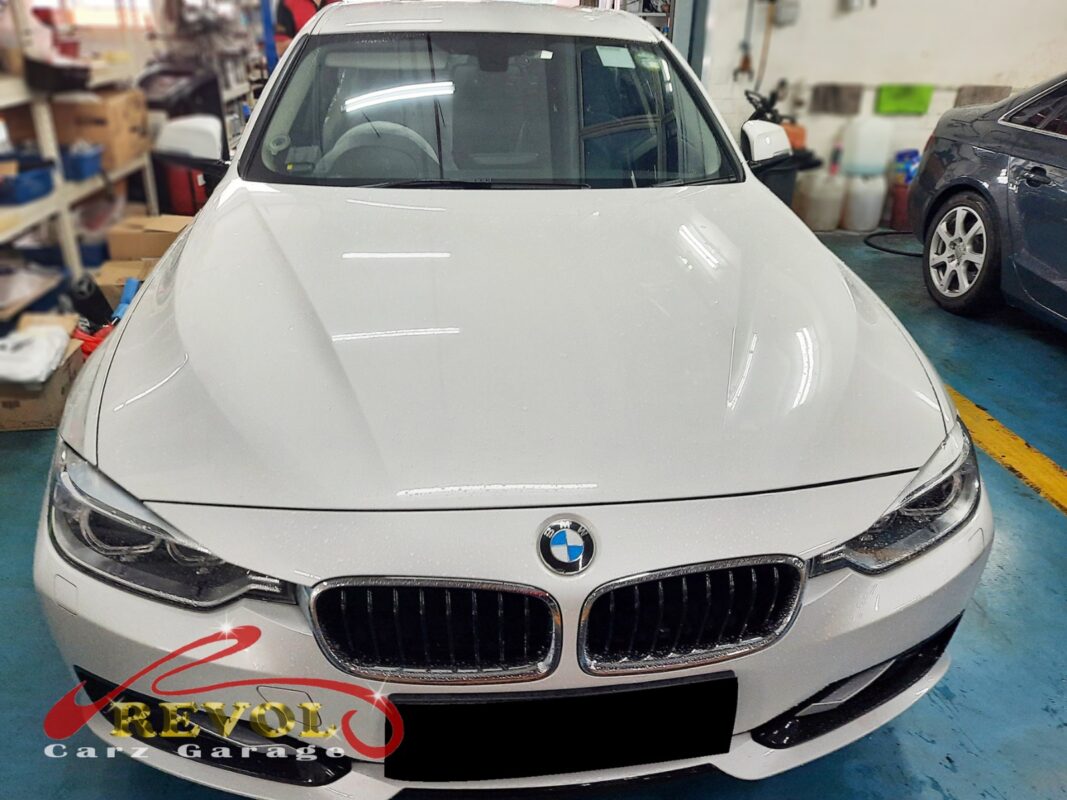
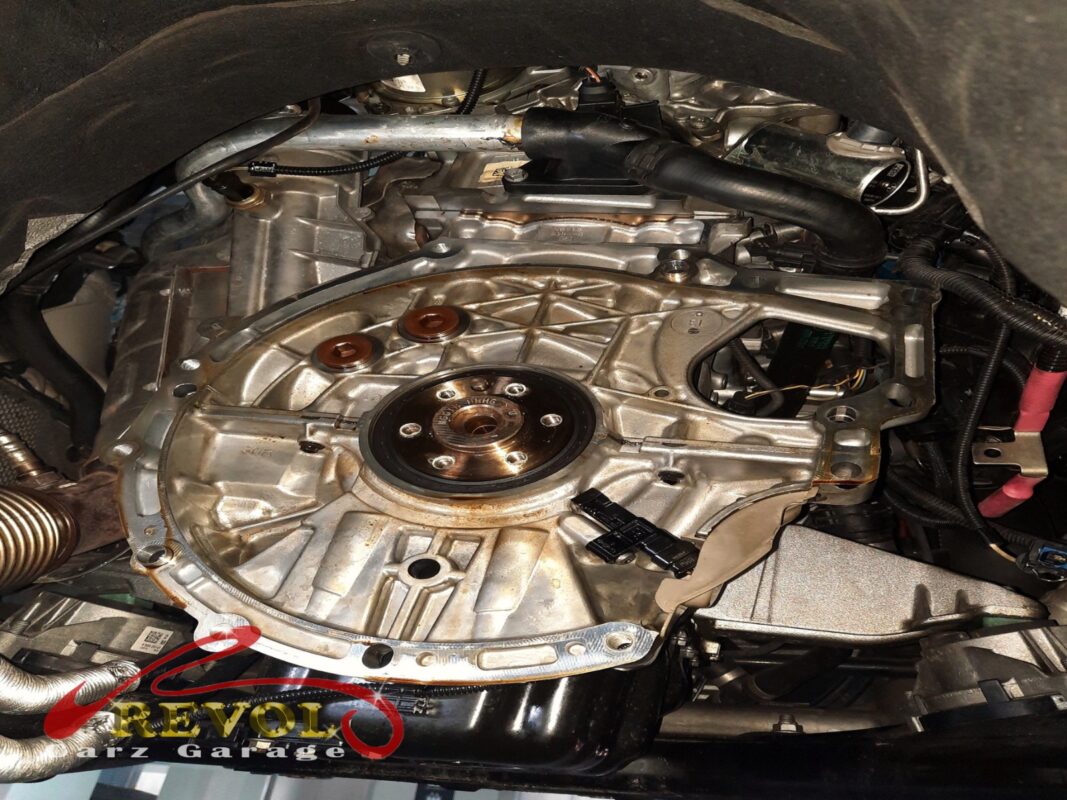
The 316i had been needing oil topped up more often than usual, and the trail led to oil around the rear of the engine, by the flywheel. Frequent top-ups on their own say there's a leak somewhere, and oil is what keeps the engine lubricated and healthy, so a continuous loss isn't something to ignore. On these the flywheel oil seal, the rear crankshaft seal, sits where the engine meets the gearbox and stops engine oil escaping from the back of the crank. When it hardens and fails, oil weeps out there, which is the residue around the flywheel and the dropping level. It's tucked between the engine and the gearbox, so the only way to it is to separate them, which makes it a job worth doing properly once rather than chasing.
The diagnosis
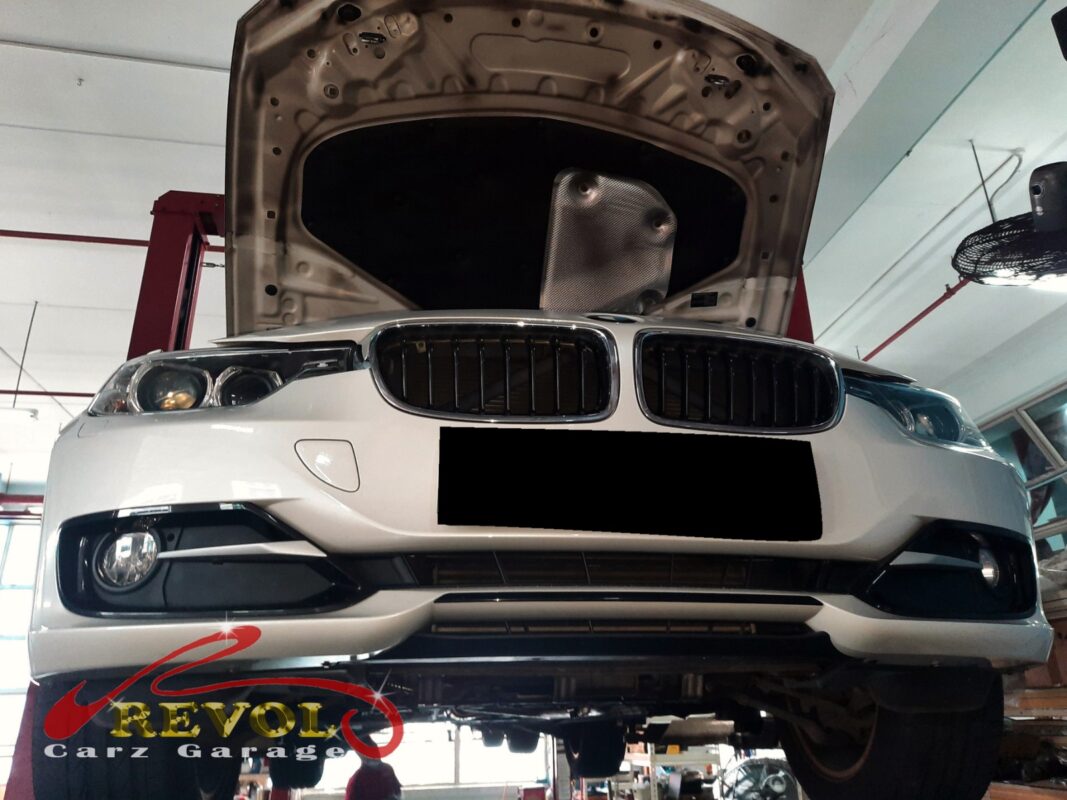
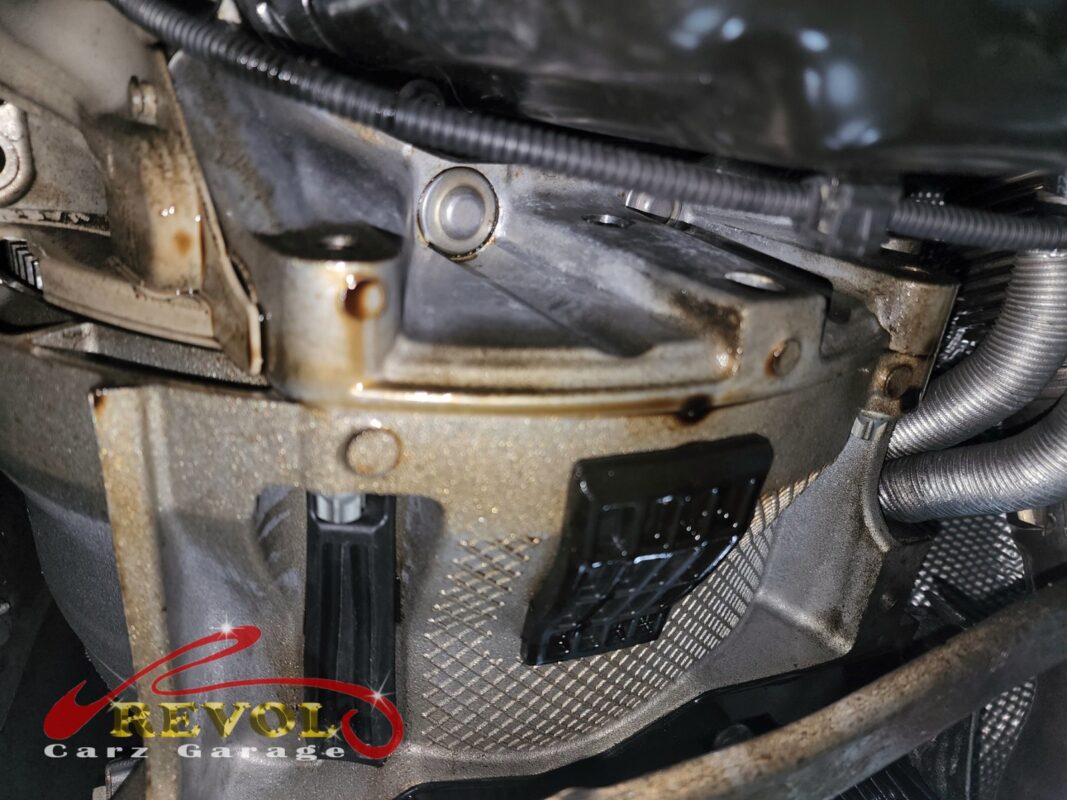
On the lift the leak traced cleanly to the flywheel oil seal, weeping at the back of the engine, with the sump gasket and the other seals around it dry. With a job this involved, confirming the source first matters. That's a seal replacement, and on this car it means dropping the gearbox to reach the flywheel and the seal behind it, then a fresh genuine BMW-spec seal in.
The work
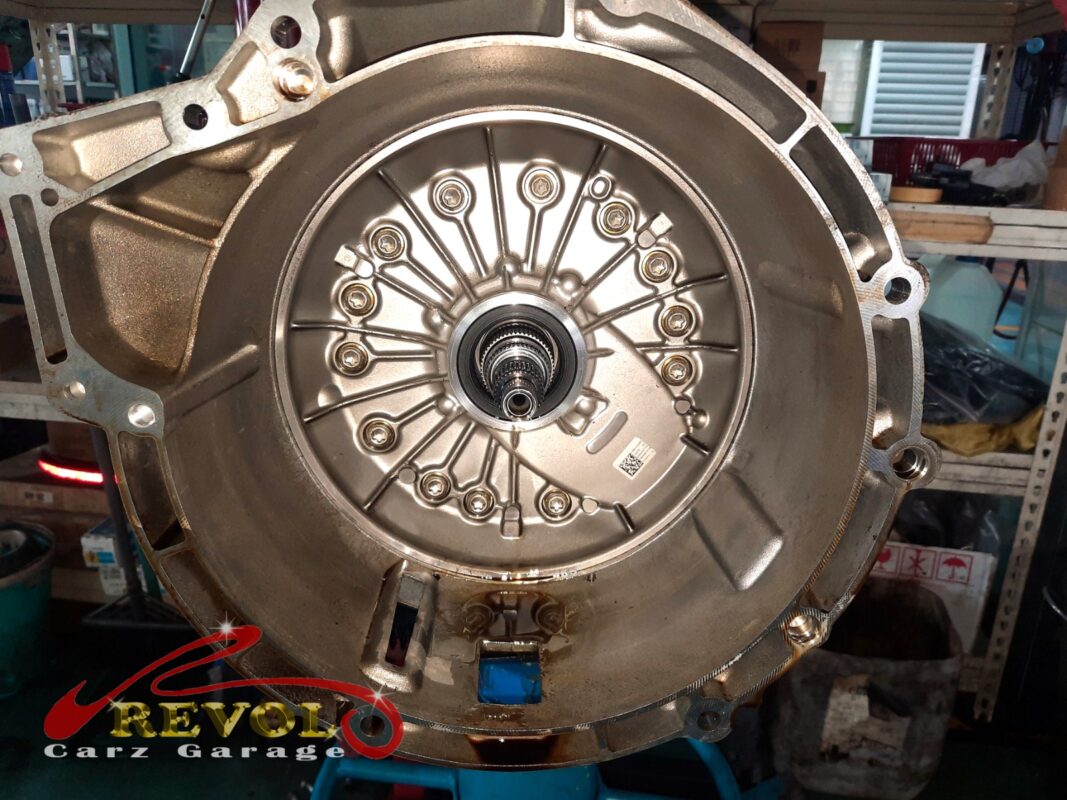
The gearbox was supported and dropped, the flywheel came off, and the old rear crankshaft seal removed. The seal seat was cleaned up, a new genuine BMW-spec seal fitted carefully so it sat square, the flywheel reinstalled and torqued to spec, and the gearbox bolted back up. The oil that had tracked down was cleaned off and the engine topped to the correct level. A road test followed to confirm it stayed dry and the level held.
The outcome
Dry flywheel area, no oil around the bellhousing, the oil level holding, and no need for top-ups. The 316i went home with the leak closed off. A flywheel oil seal leak only gets worse, and it's tucked in a place that gets expensive to reach, so doing it properly with the gearbox out, once, sorted it for good.