
The brief
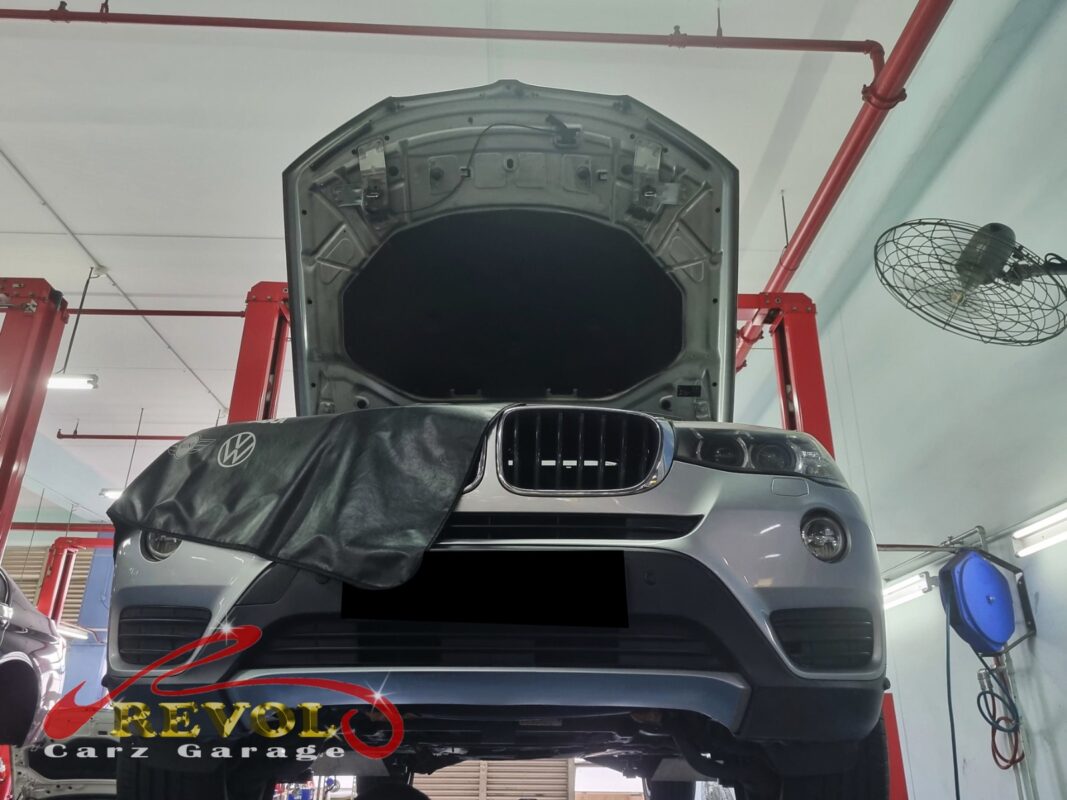
The X3 had gone sluggish, the acceleration flat, with a check engine light and codes pointing at boost pressure, and a hiss or whistle from the turbo area. The engine felt erratic too, surging and hesitating. He brought it in. That points at the electric wastegate. On a turbo engine the wastegate controls how much exhaust gas spins the turbo, which sets the boost pressure, and on these BMWs it's moved by an electric actuator that the engine computer commands. When that actuator fails, the wastegate doesn't sit where it should, so the boost goes wrong, too little, too much, or all over the place, which is the sluggish acceleration, the surging, the codes and the warning light. A faulty wastegate actuator only gets worse, and an engine that can't control its boost runs poorly and risks the turbo.
The diagnosis
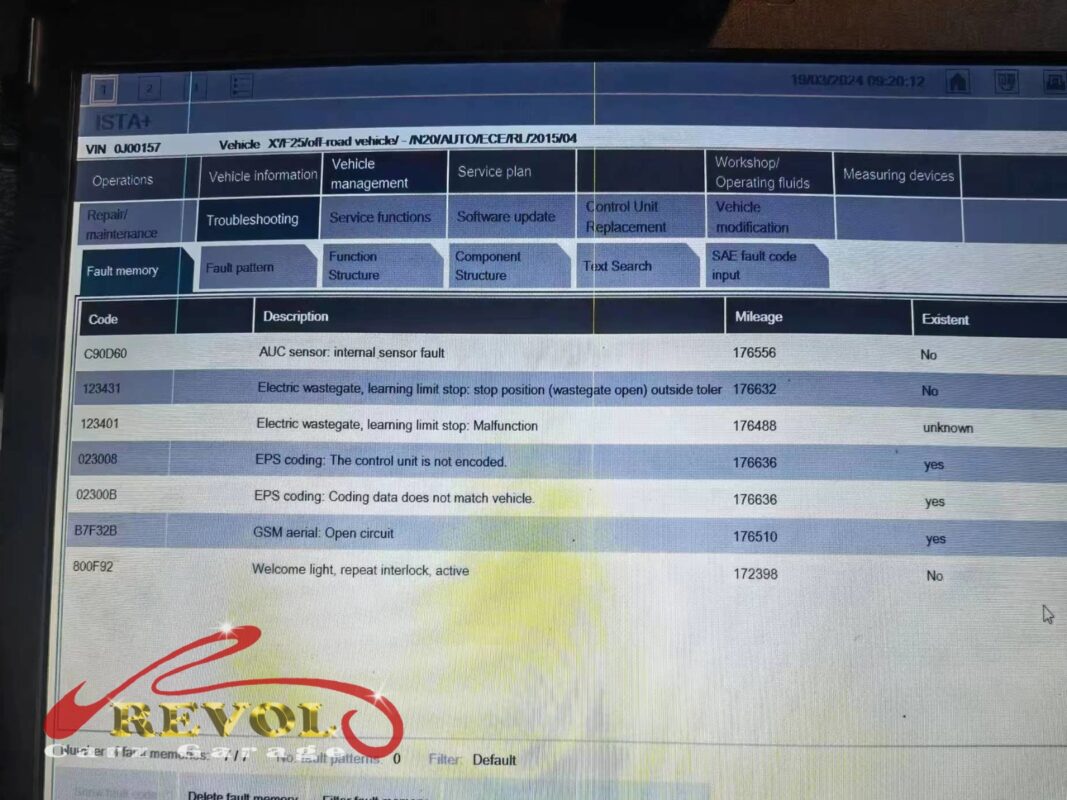
Diagnostics confirmed the boost pressure wasn't matching the commanded value, and a check of the electric wastegate actuator showed it wasn't moving the wastegate properly to command, sticking and not holding position. The turbo itself and the rest of the boost path checked out, so the actuator was the fault. That's a replacement. The actuator is a sealed unit, you don't rebuild it, and one that's sticking only sticks worse, so it was getting changed and the system relearned.
The work
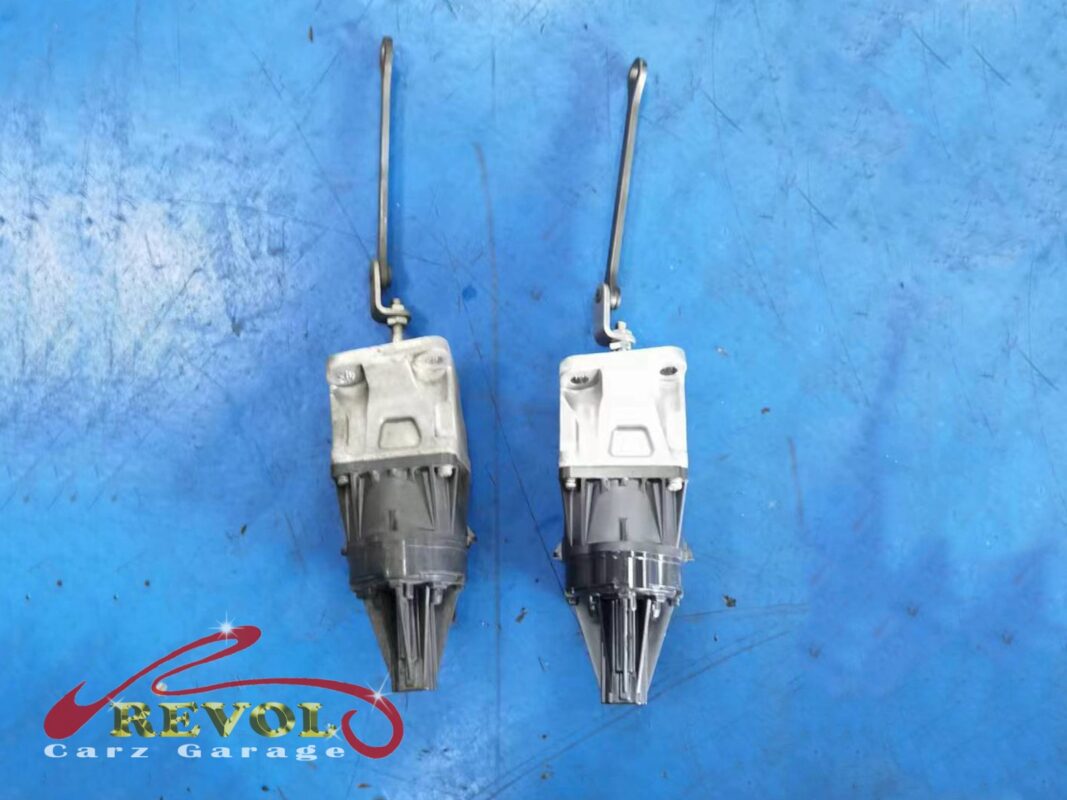
The old electric wastegate actuator was unbolted from the turbo, and a new genuine BMW-spec actuator fitted, the linkage set and the connector reconnected. Then the actuator was calibrated and the wastegate end-stops relearned on the scanner, the stored fault codes cleared, and the boost checked under load to confirm it was tracking the commanded value cleanly. A road test confirmed the acceleration was back, the surging was gone, and there was no hiss from the turbo.
The outcome
Strong, smooth acceleration, the boost tracking properly, no surging or hesitation, no hiss, and the check engine light out after a drive cycle. The X3 went home running properly again. A faulty electric wastegate makes a turbo engine feel broken and risks the turbo if it's left, so changing the actuator and recalibrating it put the boost back where it should be.