The brief
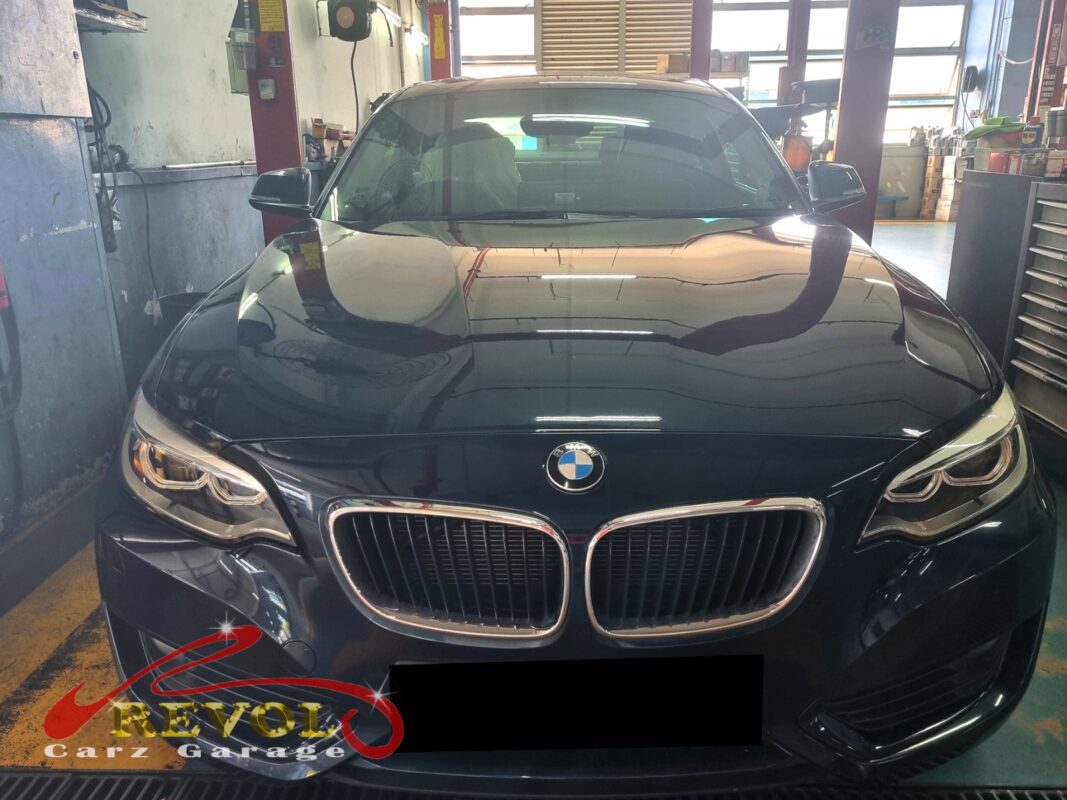
The 218i had picked up increased vibrations through the cabin, noticeable engine movement on gear changes and under acceleration, and clunking or banging from the bay. The engine sounded louder inside the cabin than it used to. Those are the signs of worn engine mounts. The engine and gearbox don't bolt straight to the body, they sit on mounts that take their weight and soak up the shake. As the mounts age the rubber sags and cracks, and once it does the drivetrain can move around more than it's meant to. That extra movement is the vibration coming through, the clunk as it rocks on a gear change, and the louder, harsher engine note as the shake transmits straight into the body. Mounts that have all sunk together produce exactly that.
The diagnosis
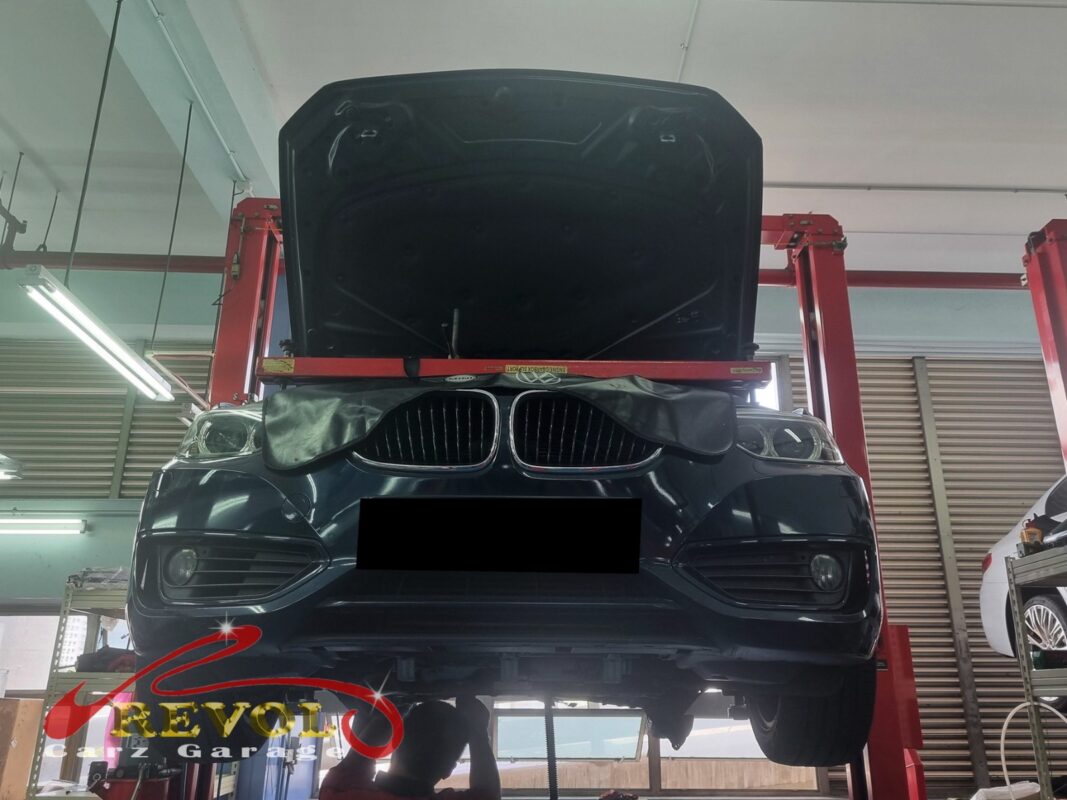
On the lift each mount got a pry-test. The engine mounts had sunk visibly with cracked rubber, and the gearbox mount had developed measurable shift under load. All of the drivetrain mounts were tired at the same time. When they go together like that, you do them as a set. Replacing one fresh mount next to two sagging ones just loads the new one harder and you're back in soon, so the call was the full set.
The work
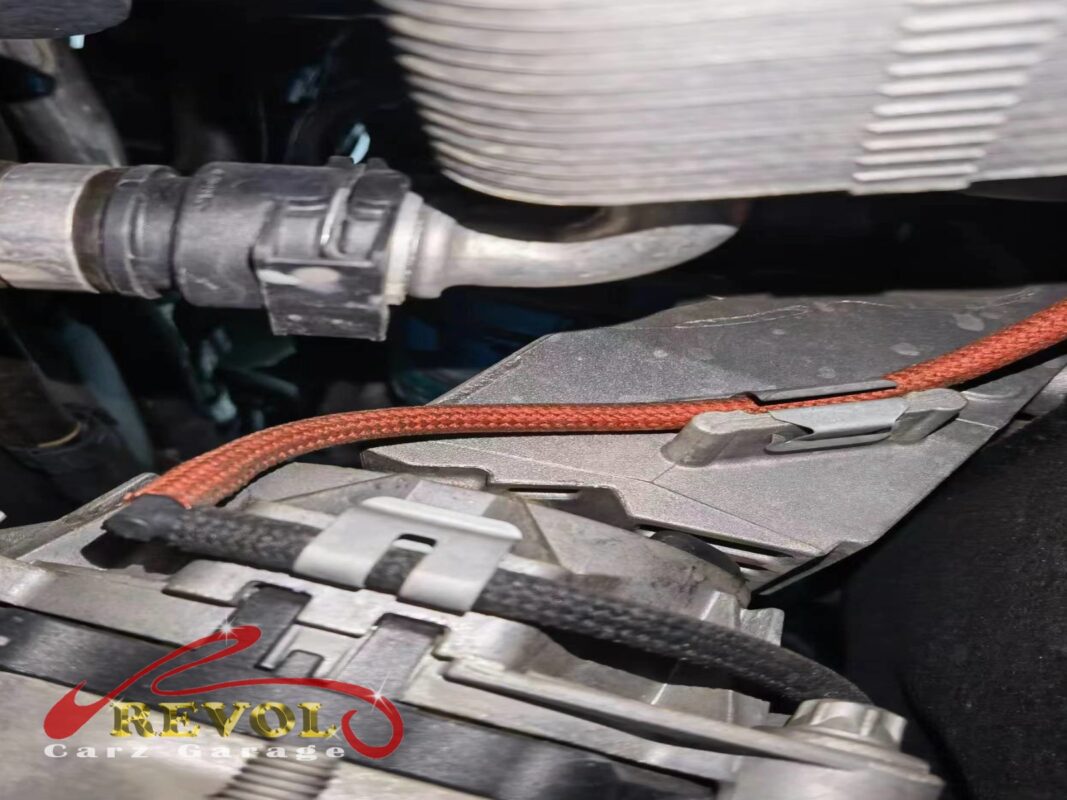
The engine and gearbox were taken onto transmission jacks to take their weight, and each tired mount came off in turn. New genuine BMW-spec mounts went in across the set, every fastener torqued to the manual figures. With everything bolted up, the drivetrain was checked to be sitting square in the bay before the engine was let down to load onto the fresh mounts. A road test confirmed the shake, the clunk and the harshness were all gone.
The outcome
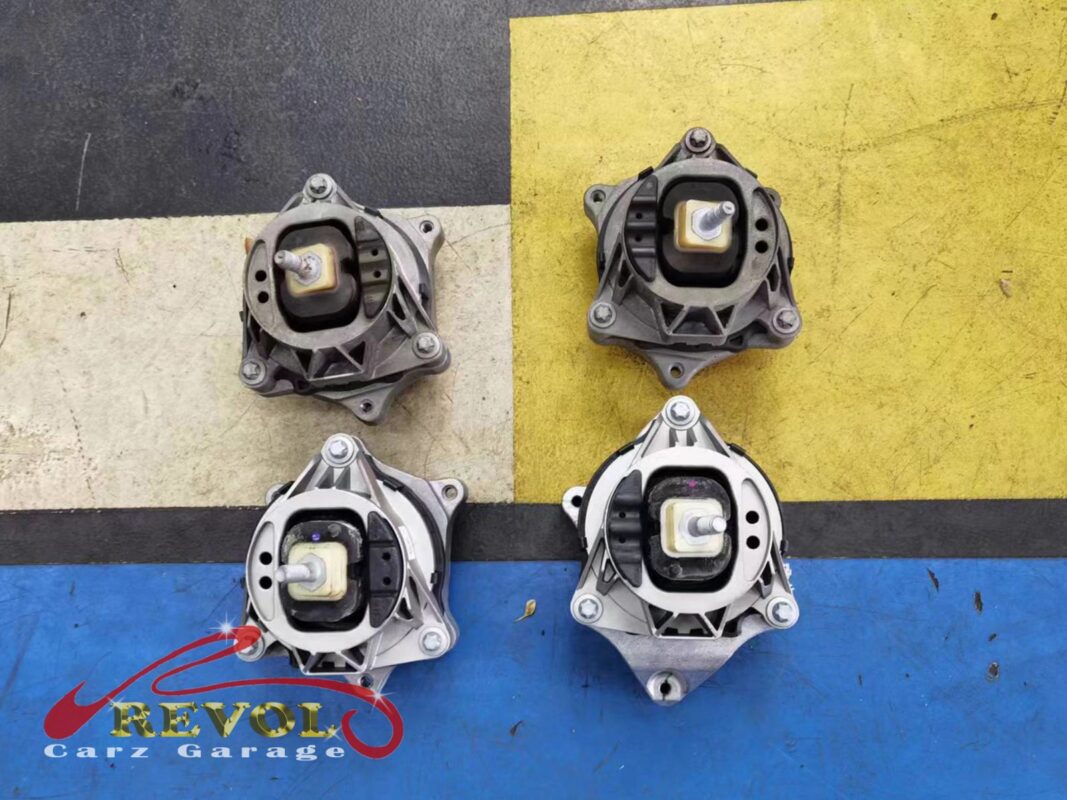
Smooth at idle, no clunk on shifts, no banging over bumps, and the engine note back to normal inside the cabin. The 218i went home with the drivetrain held properly again. Engine mounts wear as a set and they take the rest of the drivetrain's refinement down with them, so doing the whole set together resets the lot rather than chasing the next sagging one a few months later.