The brief
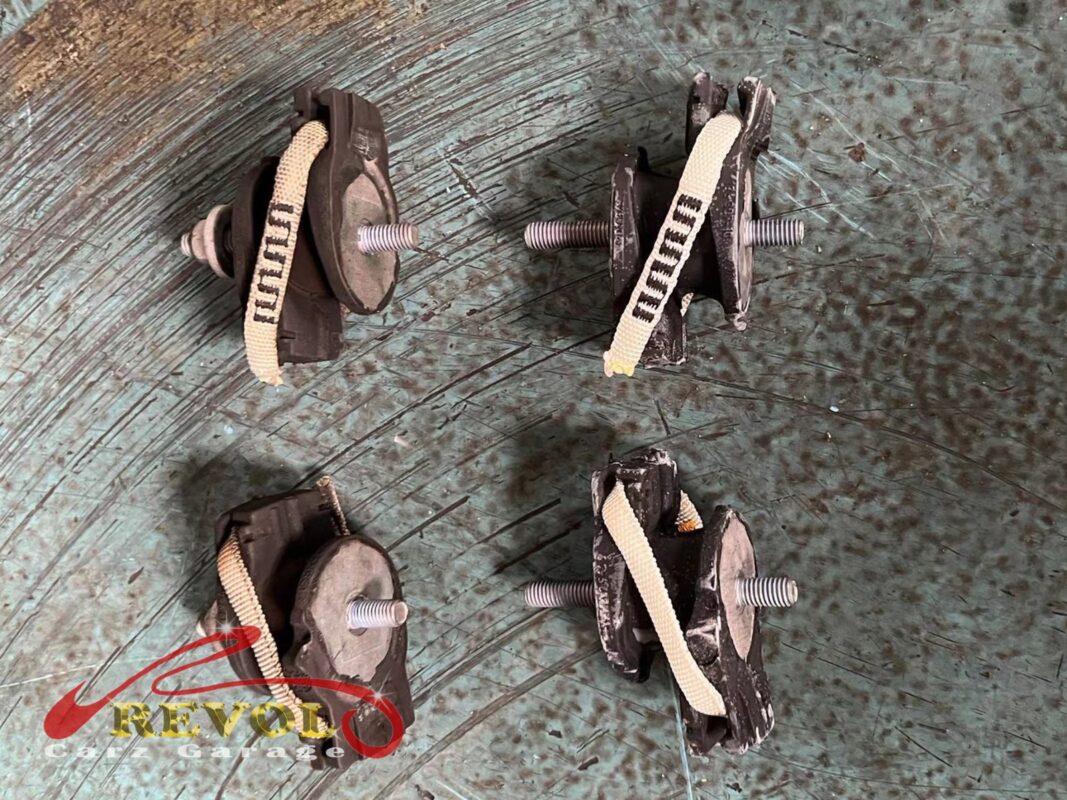
The 316i was vibrating heavily at idle, enough that the steering wheel was buzzing at the lights. And the owner heard a distinct clunk every time the gear lever moved between drive and reverse.
The engine bay confirmed it: the front engine mount had visibly collapsed. Engine and gearbox mounts do two jobs at once, hold the drivetrain in place and absorb its vibration so it does not reach the cabin. When the rubber in those mounts gives way, both jobs fail: the engine shakes the cabin because the vibration is not being damped, and it lurches on a gear change because there is slack for it to move into, and the slack runs out with a clunk.
The diagnosis
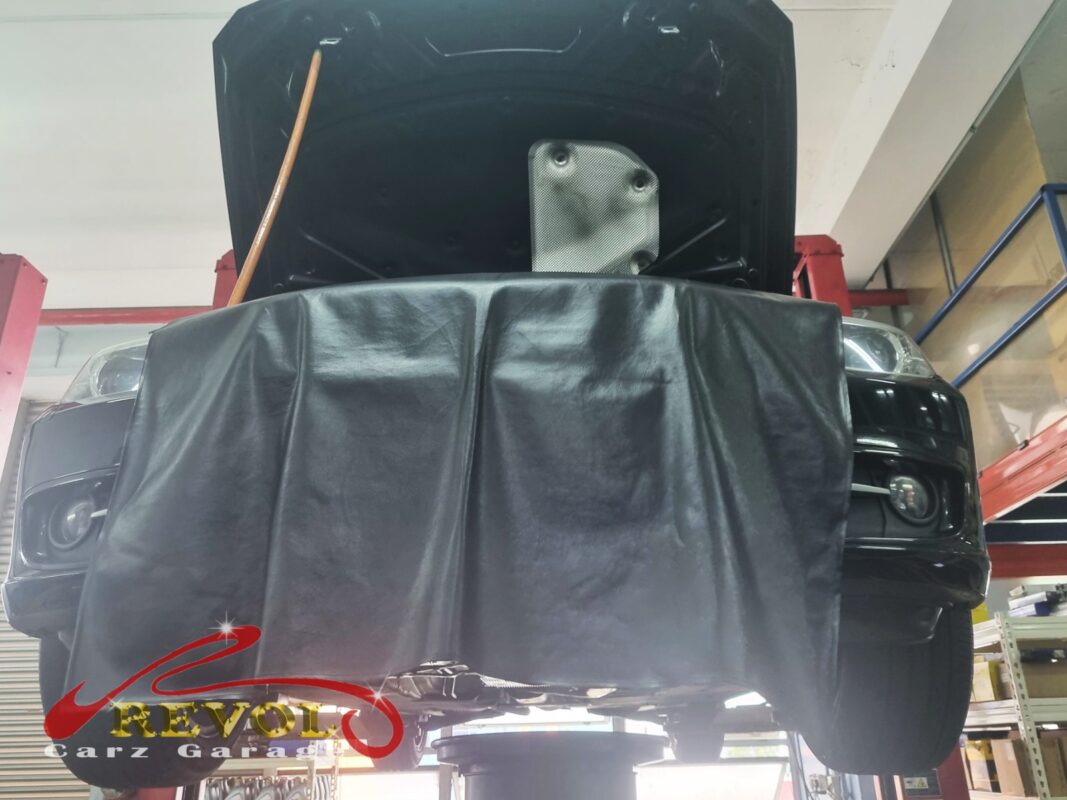
Visual inspection found the front engine mount torn and sagging, with hydraulic fluid leaked out, and the transmission mount showing matching deflection. The two had tired together, which is the usual story, they are the same age and carry related loads.
Replacing only the worst one would leave the drivetrain still mismatched, one corner held firmly on a new mount, another corner still slack on an old one, which makes the car feel worse, not better, and the still-old mount fails soon enough anyway. So the call was a full set: engine and gearbox mounts replaced together, to keep the drivetrain isolated evenly.
The work
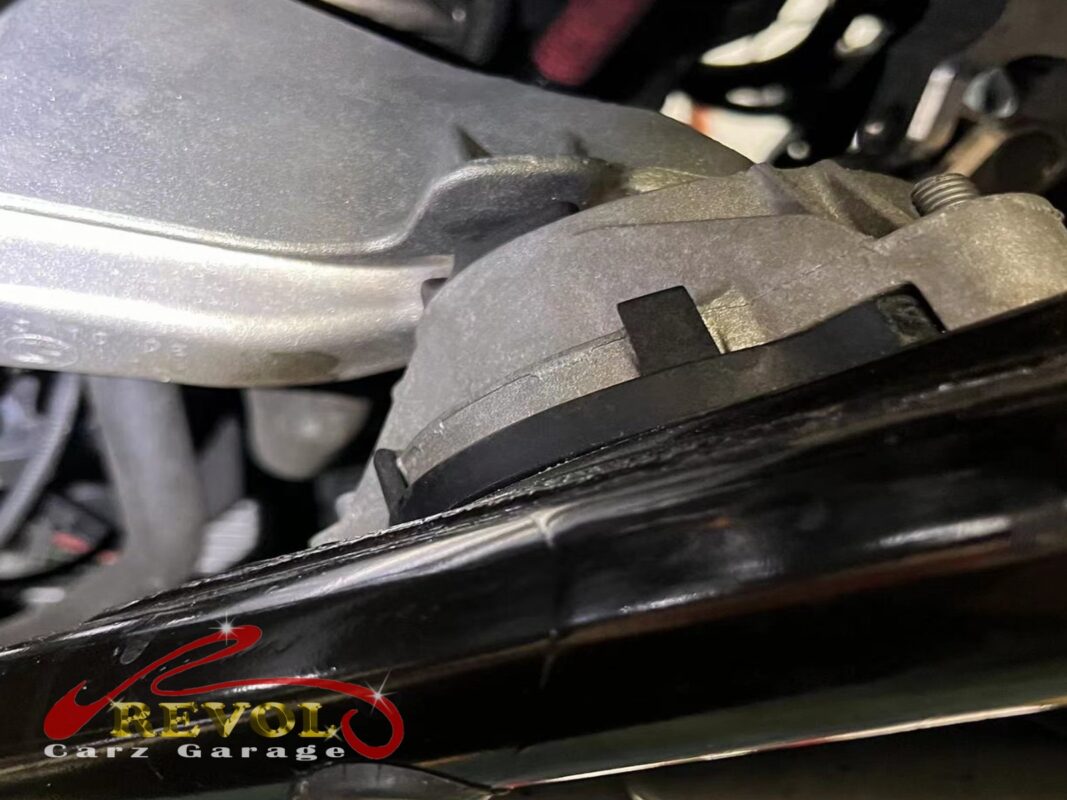
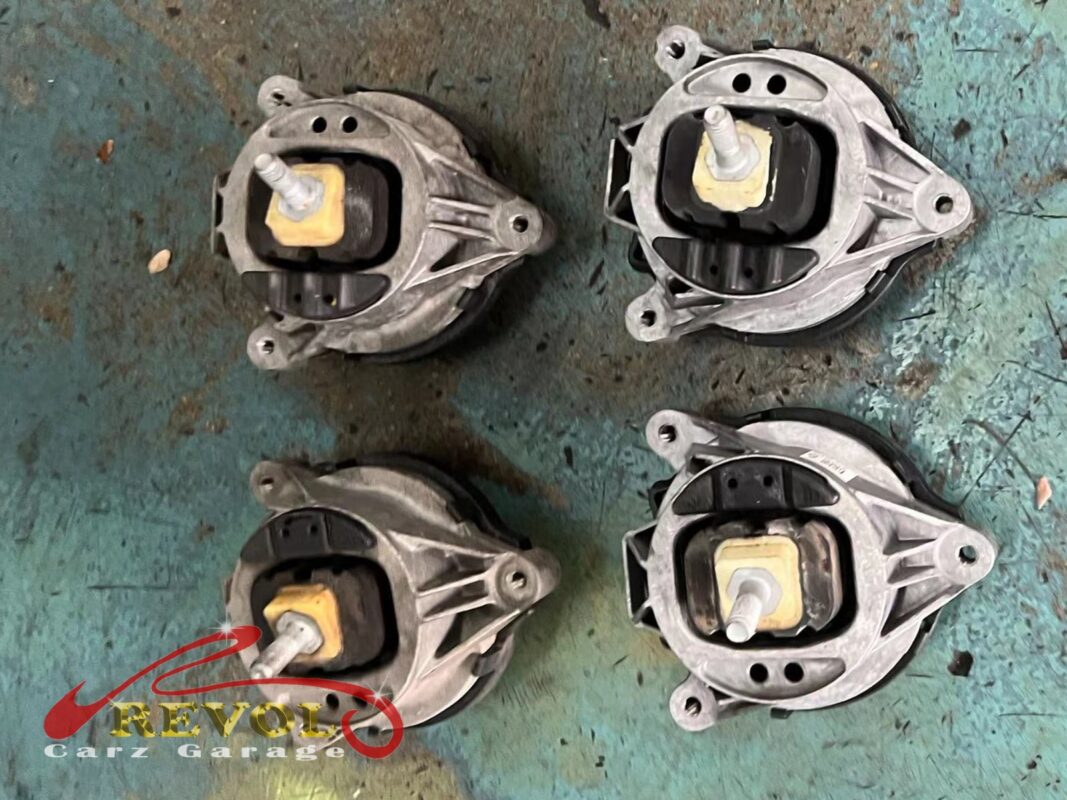
Supported the engine and the gearbox on jacks, then removed the failed mounts in turn. Fitted new BMW-spec replacements across the set, torqued in the correct order to spec.
Before letting the engine's weight settle back onto the new mounts, checked the drivetrain was sitting in the correct alignment, because a drivetrain set down crooked puts uneven load on the fresh mounts and wears them early. Then ran the engine at idle to confirm the vibration was gone, and out for a road test.
The outcome
Smooth idle. No buzz in the steering wheel. No clunk on drive-reverse shifts.
The 316i went home with the drivetrain isolated again. For the owner, that means a car that feels refined at a standstill rather than buzzing, and gear selection that happens quietly instead of with a thud.
Doing the full set rather than the worst one means the drivetrain is properly supported all round, and this is not a job that comes back in a few months when the one old mount you left finally goes.