The brief
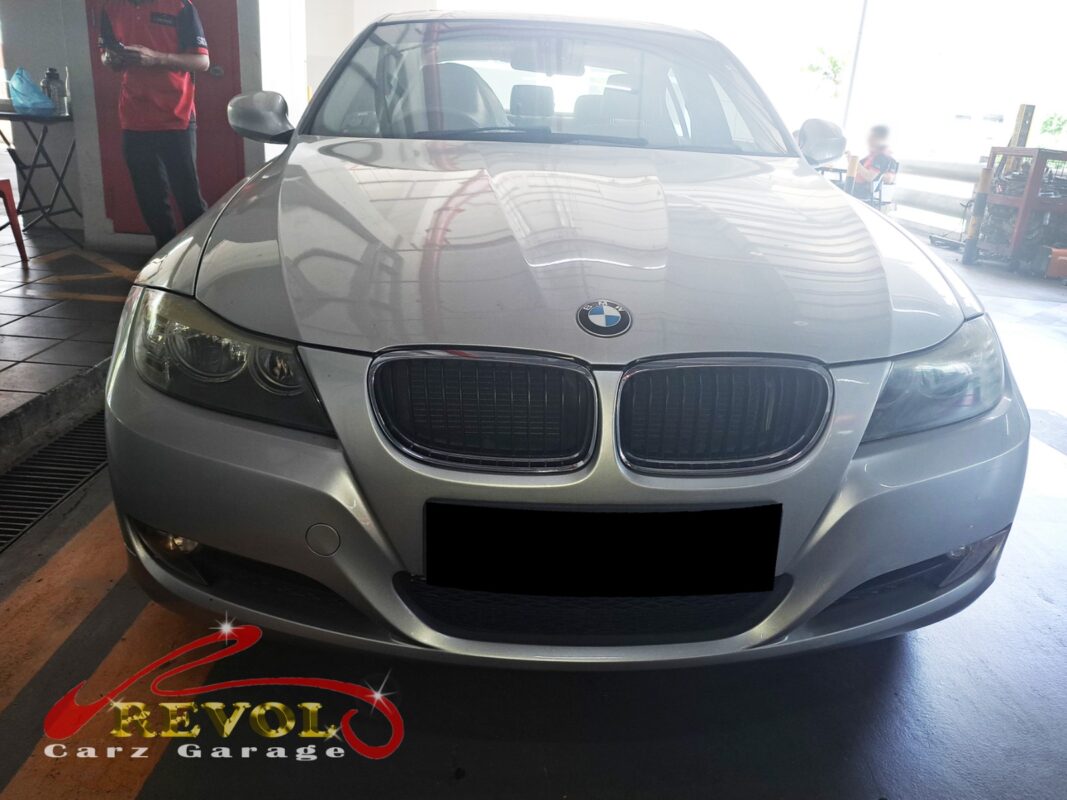
The 318i was cranking slowly when it did start. Sometimes the owner heard a single click instead of a crank. And one morning it simply refused to fire.
Three signs of a tired starter motor, particularly the solenoid contacts. The starter does two things when you turn the key: the solenoid pushes the gear into mesh with the engine, and the motor spins it over. A worn solenoid can make a click without engaging properly, and a worn motor cranks slowly. When both are going, you get exactly this: slow crank some days, a click and nothing on others, and eventually a no-start.
The diagnosis
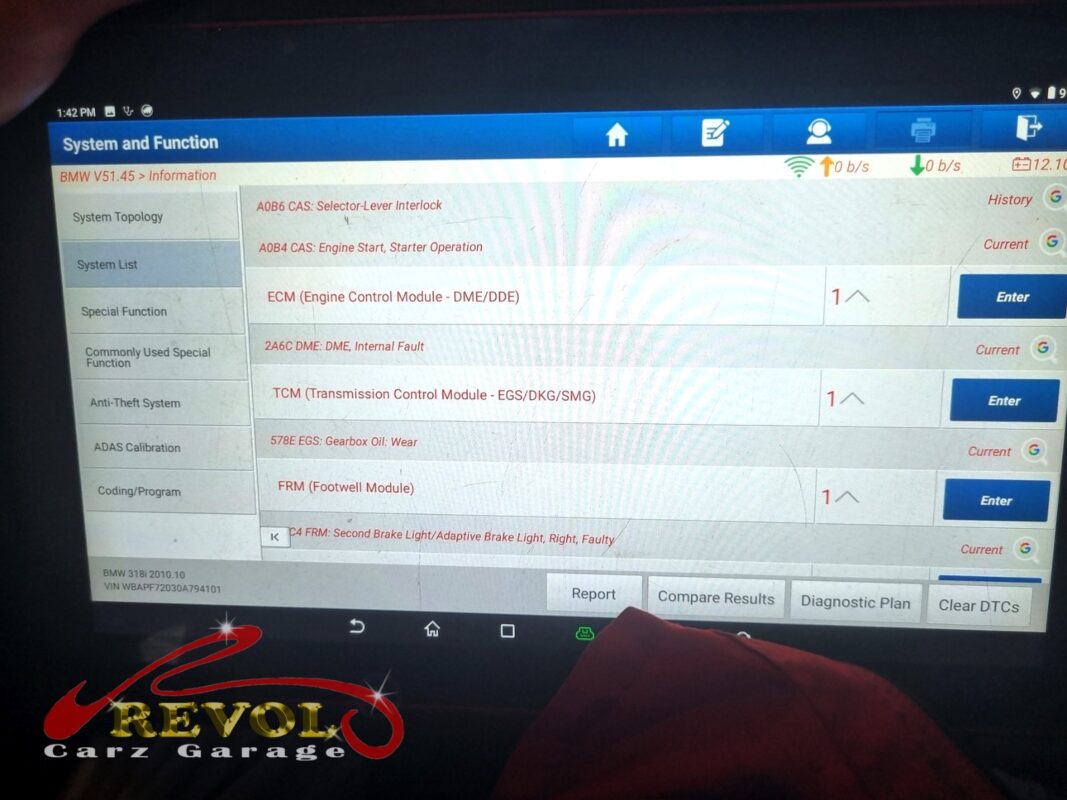
We checked the supply side first, because a starter that cranks slowly can be the battery's fault rather than the starter's. The voltage drop across the starter circuit was within spec, and the battery tested healthy. So the fault sat in the starter itself, which the car's own fault memory backed up with a logged code for starter operation.
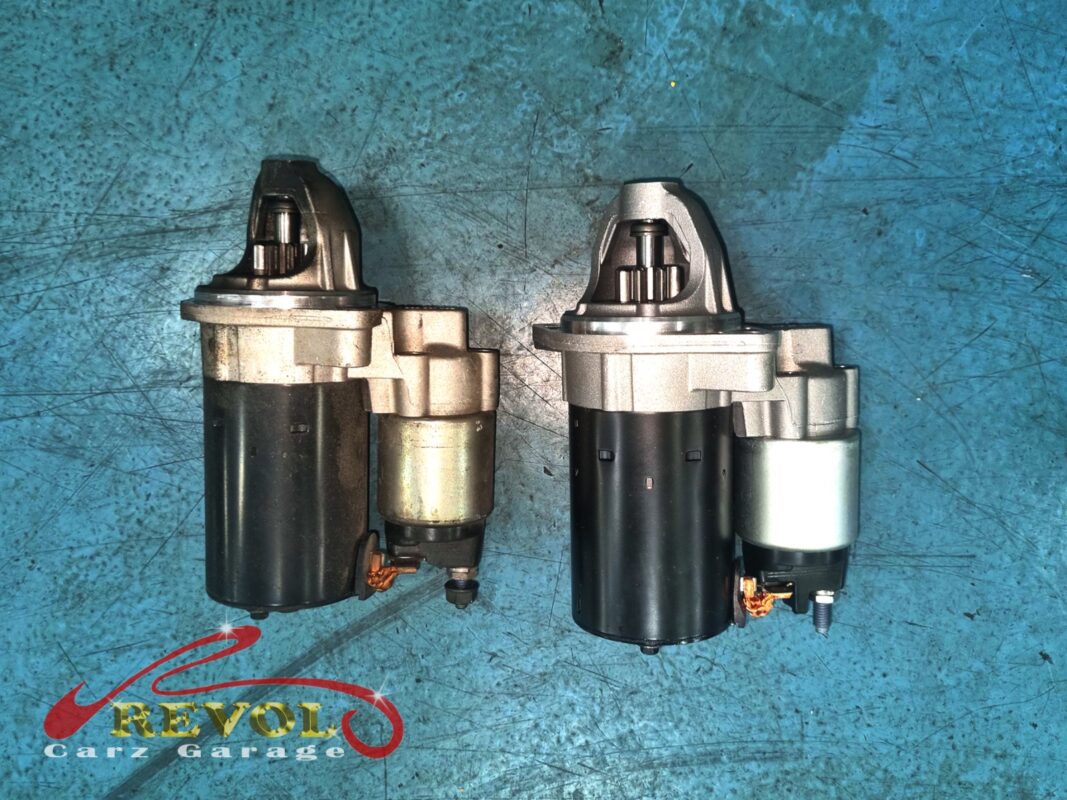
A bench test confirmed it: the solenoid contacts were burnt, and the motor was drawing higher than rated current, both signs of a starter at the end of its life. There is no fixing burnt solenoid contacts and a tired motor cheaply; the fix is a new starter.
The work
Disconnected the battery, removed the starter heat shield, and dropped the failed starter off the bellhousing. Fitted a new BMW-spec replacement, torqued the mounting bolts to spec, and reconnected the main feed and the signal wire.
Then confirmed clean cranking on the test, several cold starts in a row, before the car went out.
The outcome
Crisp half-second crank from cold. No clicking. No failed starts over the test cycle.
The 318i went home starting the way it should. For the owner, the practical win is the obvious one: a car that fires every time you turn the key, which is the whole point of a starter.
And catching a failing starter before it left the owner stranded in a carpark turned a possible breakdown into a planned replacement.