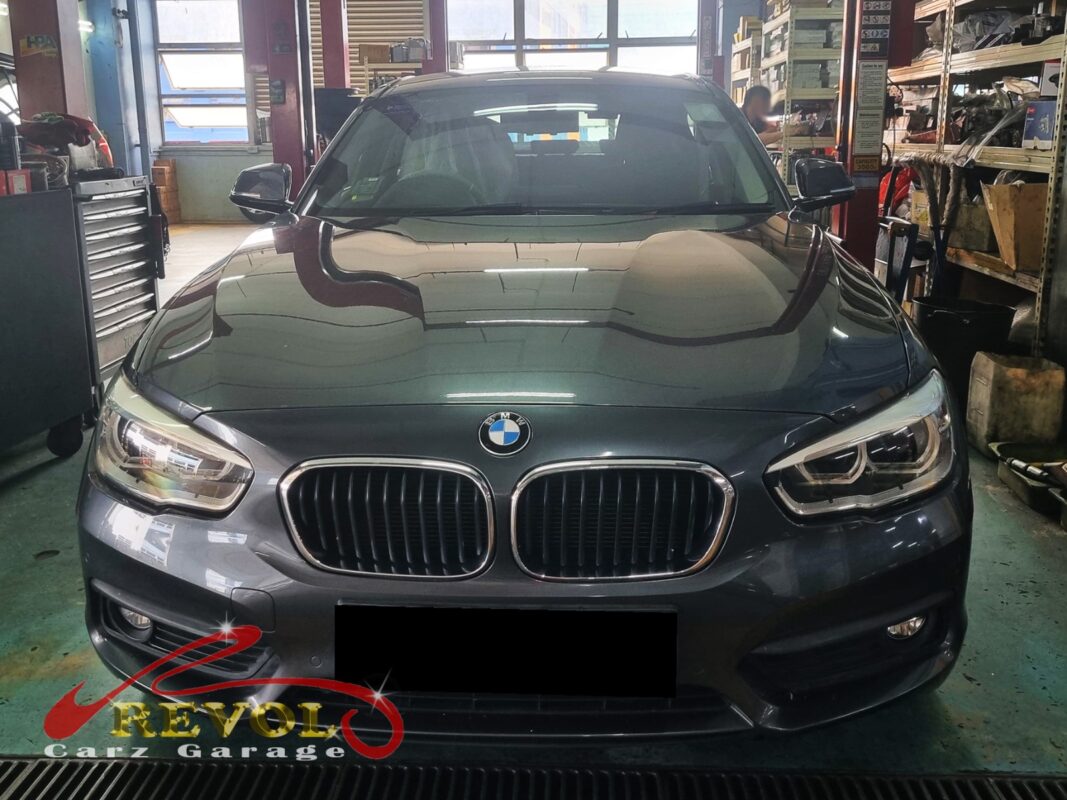
The brief
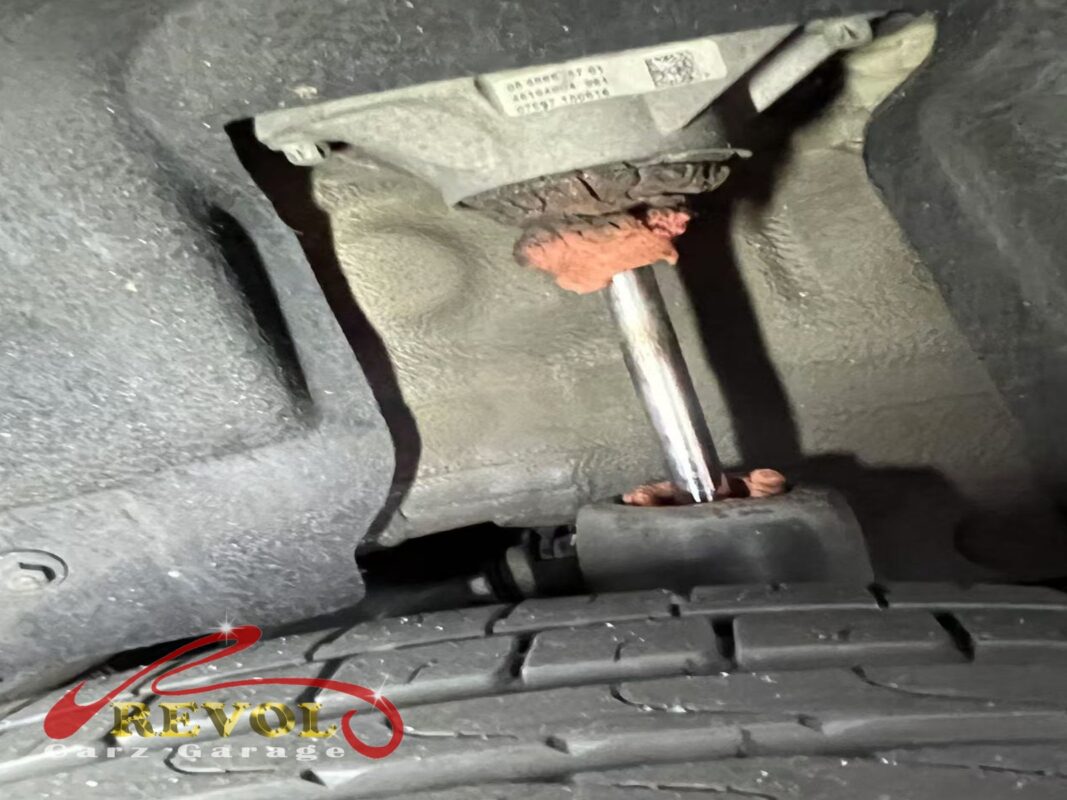
The 116d had gone floaty at the back over speed humps, the rear taking a moment to settle instead of staying planted, and the body was rolling more than it used to through faster corners. A quick look underneath found oil running down the body of one rear strut.
That film of oil is the giveaway. A shock absorber works by pushing oil through small valves inside it, and the seal at the top is what keeps that oil in. Once it weeps, the damper is losing the very thing it needs to control the spring, so the back end starts bouncing and wallowing instead of staying tied down.
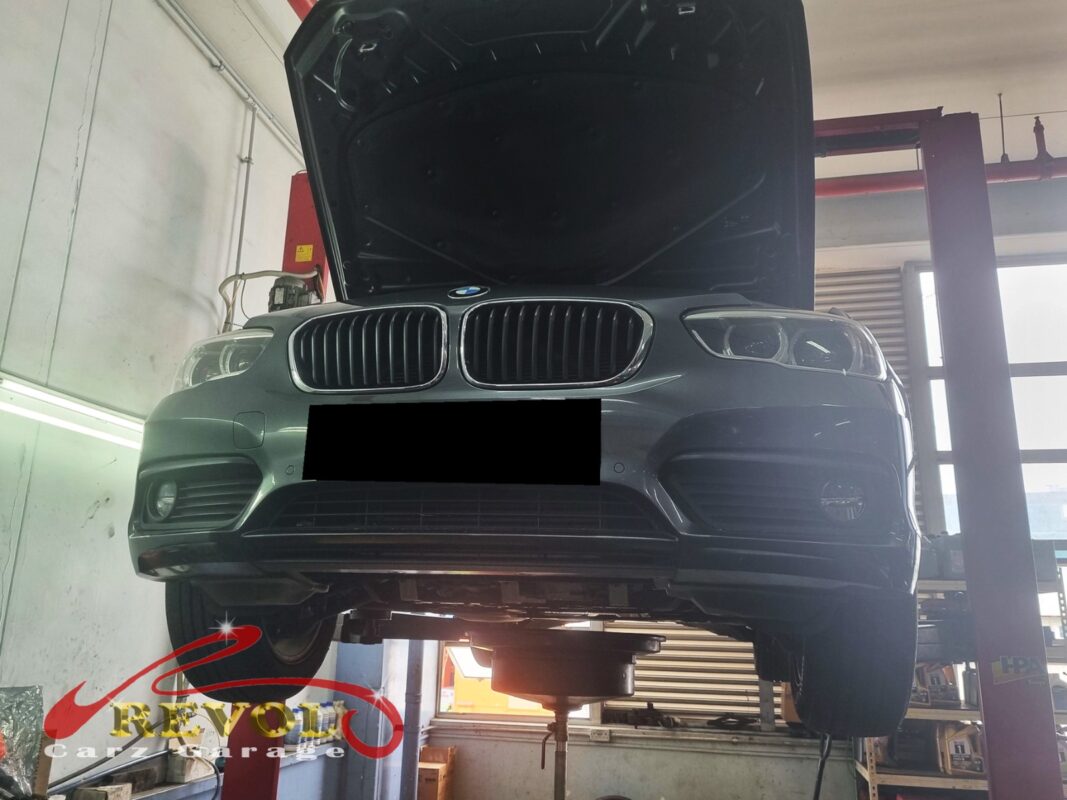
The diagnosis
On the lift the weeping strut was confirmed at the end of its life, the seal gone and the damping with it. A bounce-test on the other side showed it was no better, just dry rather than wet, the rebound damping faded well past spec even though it had not started leaking yet.
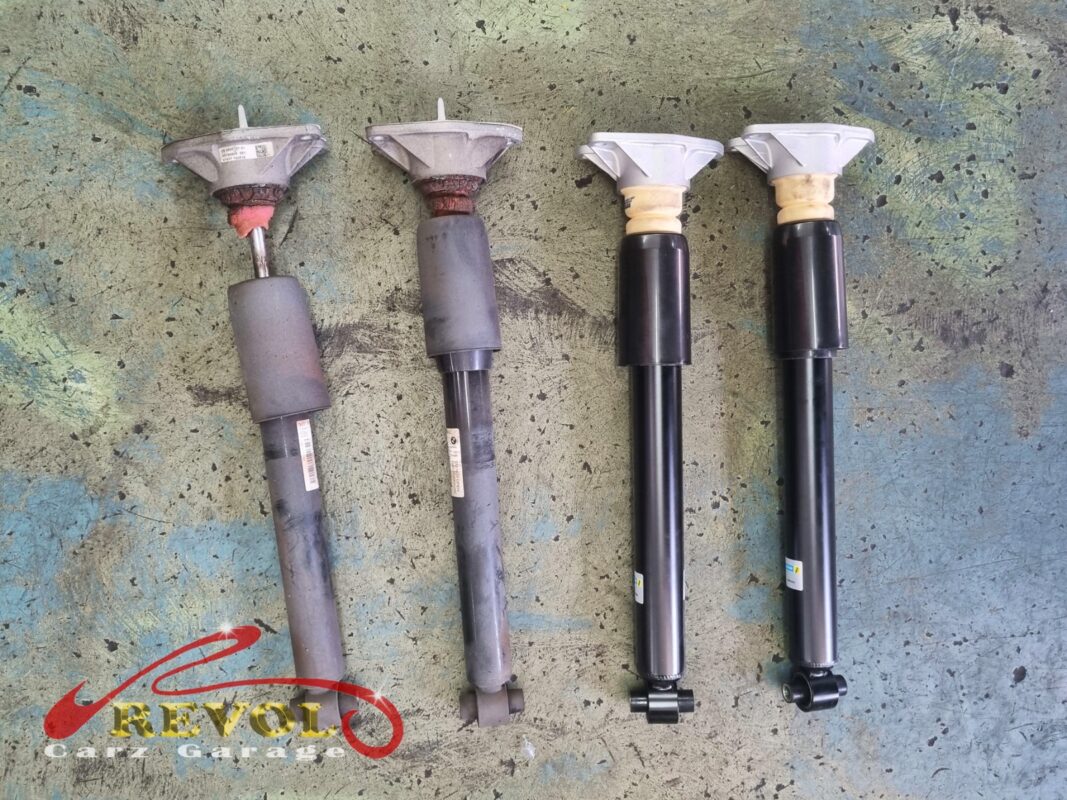
With one strut wet and the other tired, replacing only the leaking side would have left the rear damped unevenly, one corner controlled and one corner soft. So it was a pair job, both rear struts renewed together so the back axle works symmetrically.
The work
Both rear strut assemblies came out, and a matched pair of new BMW-spec rear shocks went in, with the upper and lower mounts torqued to the manual figures.
Then the car went onto the rack for a settle cycle and an alignment check, so the rear geometry was confirmed square before it went back to the owner.
The outcome
The back end planted itself again over humps, the wallow gone, and the body roll pulled back into line through corners. No more oil down the strut.
The 116d went home with the rear behaving the way the front already did, composed and settled rather than soft and floaty. For the owner that is a steadier, more confident car over bumpy roads. And doing the pair at once means both rear corners are matched and good for years, rather than a return visit when the second one finally lets go.