The brief
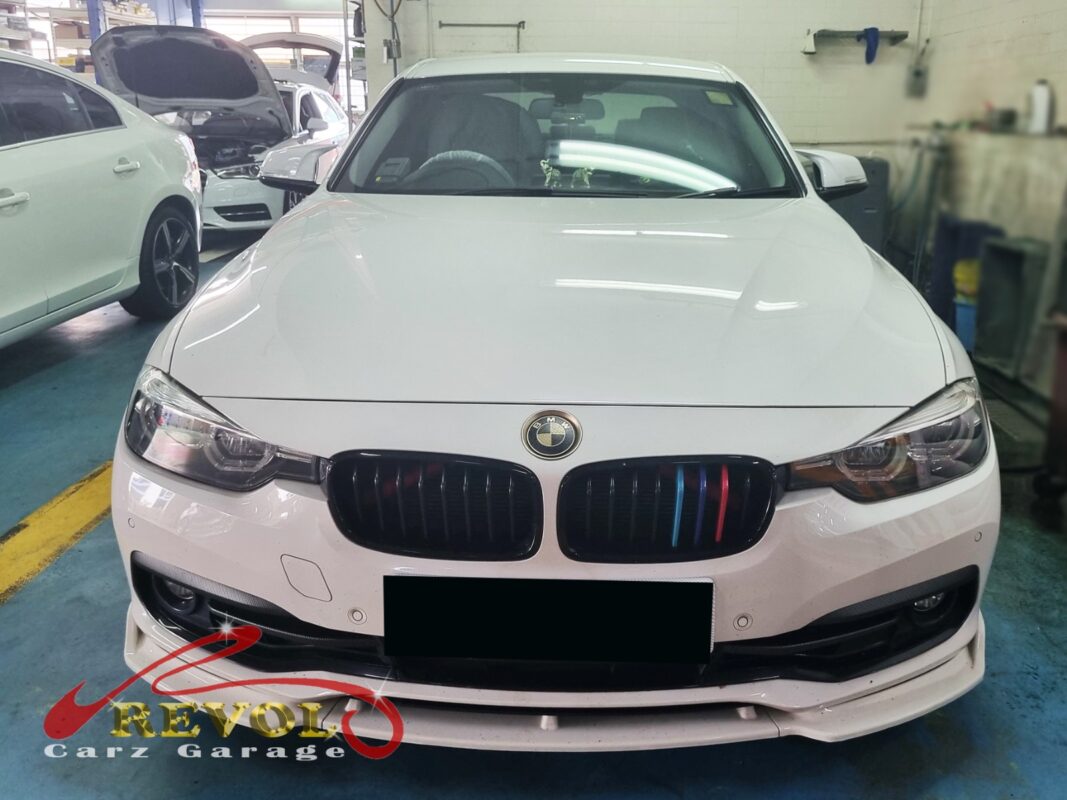
The 318i had crossed 60,000 km, which on this generation of gearbox is the point BMW's own schedule calls for an ATF service. The owner read that, did the maths, and brought the car in rather than waiting for the shifts to start feeling off.
Automatic transmission fluid does two jobs at once: it carries the hydraulic pressure that actually changes the gears, and it lubricates and cools the gearbox doing it. Over tens of thousands of kilometres it darkens, picks up fine wear material, and loses some of its sharpness. There were no warning lights and the shifts still felt fine, this was simply maintenance done on time, before any of that turned into a problem.
The diagnosis
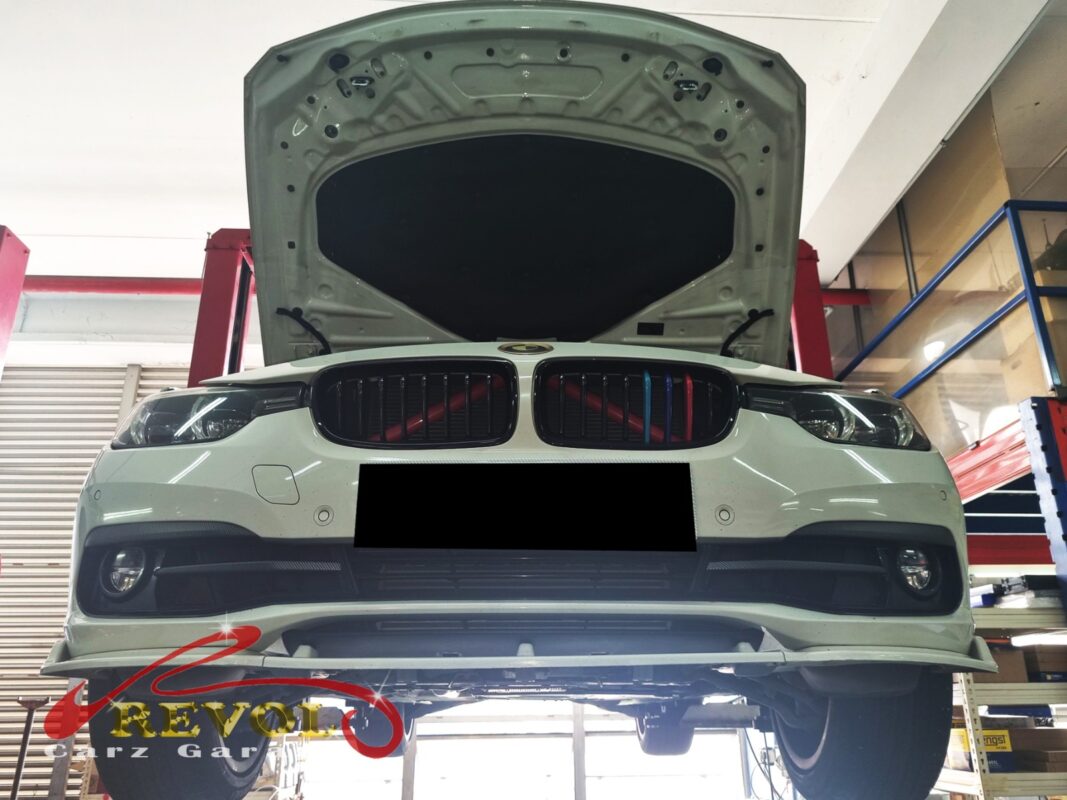
With the pan dropped, the drained fluid told a healthy story: darkened with age, as expected at this mileage, but no burnt smell and no metallic glitter beyond the normal fine residue caught on the magnetic strip.
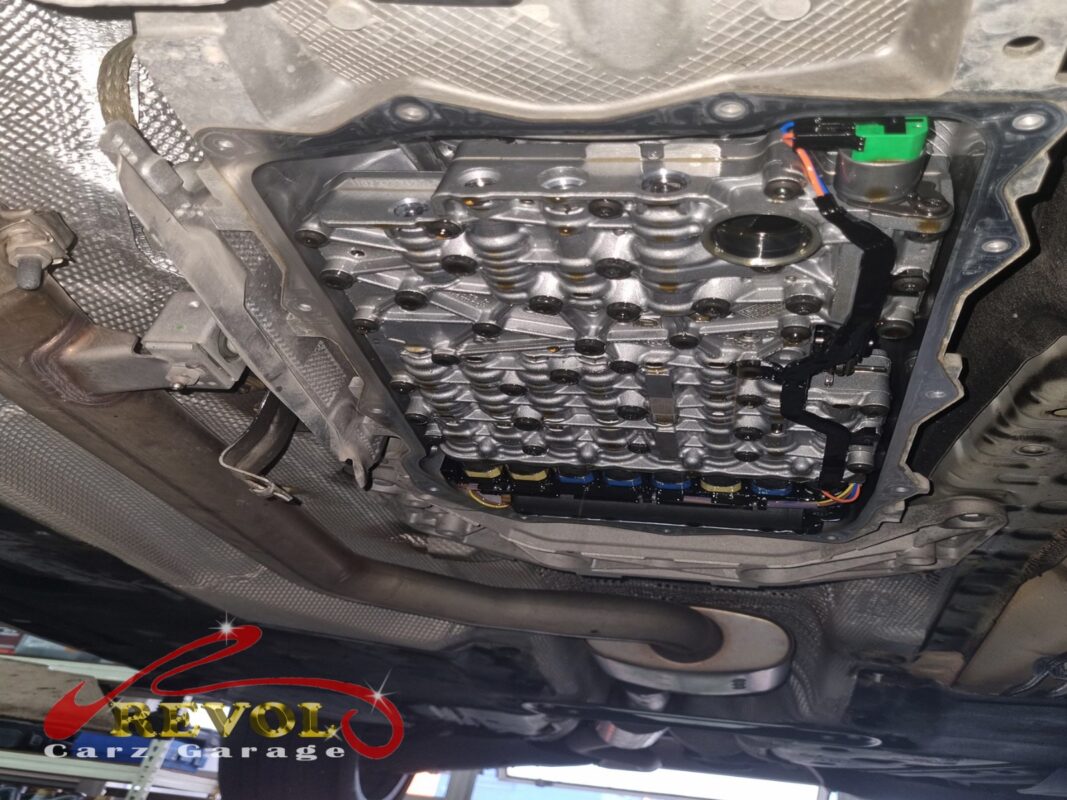
The gearbox internals looked good, the valve body clean. So this was a straightforward refresh rather than a repair, which is exactly what you want a 60,000 km ATF service to be: caught early enough that there is nothing to fix, just fluid to renew.
The work
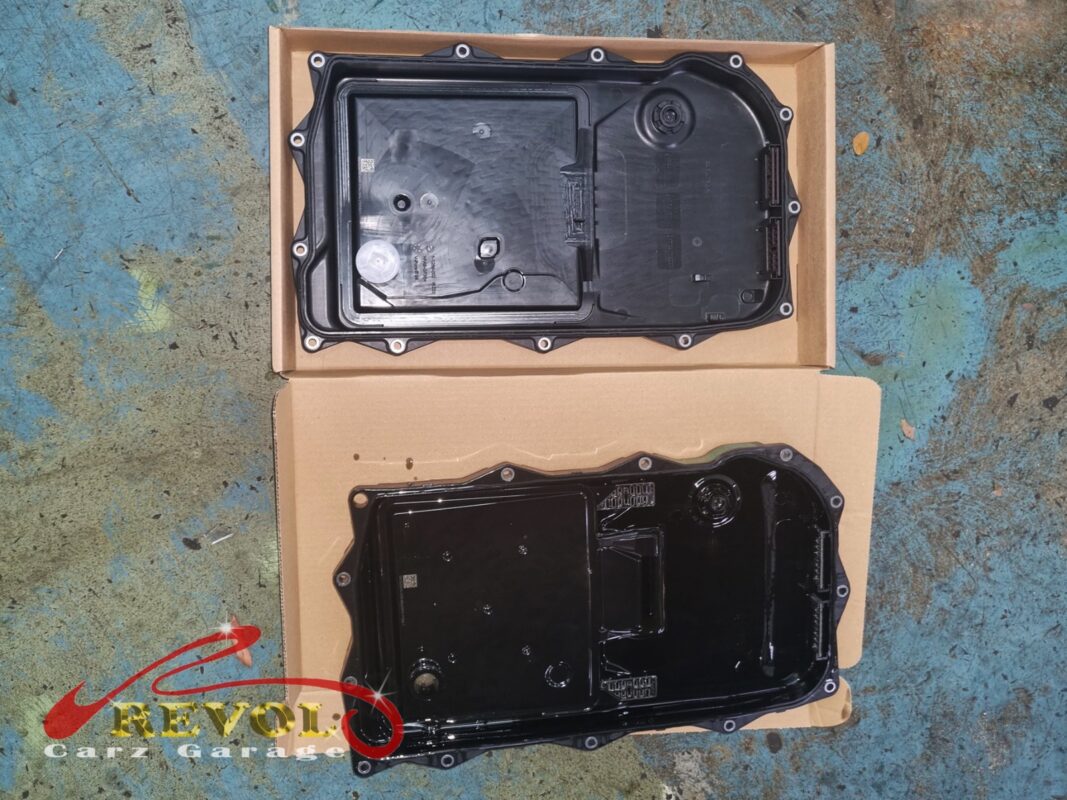
The ATF pan was dropped and the old fluid drained out completely, and the magnetic strip wiped clean. A new BMW-spec ATF pan with its integrated filter and a fresh seal went on, then the gearbox was refilled with the correct BMW ATF to the warm-fluid level, the way the spec requires.
Finally the gearbox adaptation routine was run on the BMW handset, so the transmission control unit relearned its shift points on the clean fluid rather than carrying over the old worn-fluid settings.
The outcome
Smooth shifts across every gear change on the road test, the gearbox responding cleanly on the fresh fluid.
The 318i went home with its transmission reset for another long interval. For the owner, the value is in what did not happen: the gearbox is the most expensive single part of the drivetrain, and a fluid service on schedule is cheap insurance against the kind of wear that, left alone, eventually shows up as a slipping or harsh-shifting box that costs many times more to put right.