
The brief
The 216d had been leaving oil drips on the floor near the oil filter housing, the cabin would catch a burning smell after a motorway run, and on cold mornings the owner had picked up a faint knock from the engine for the first few seconds, the sound of oil not yet reaching everything it should. He brought it in quickly rather than letting it slide.
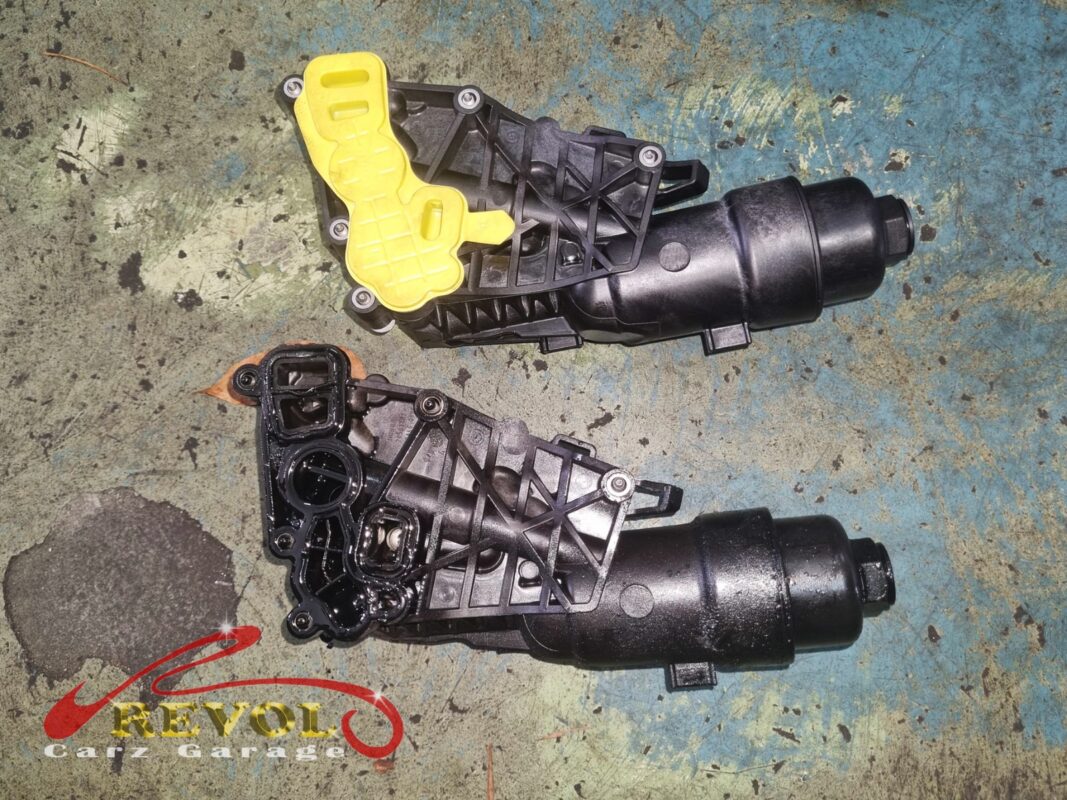
On this diesel the oil filter housing is the usual suspect for a leak like this. It is the plastic module that holds the oil filter and an oil-to-coolant cooler, sealed to the block by gaskets that go hard with age. Once they stop sealing, oil weeps out slowly: enough to drip on the floor, enough to cook off on a hot exhaust and smell, and over time enough to drop the level far enough to cause that cold-start knock.
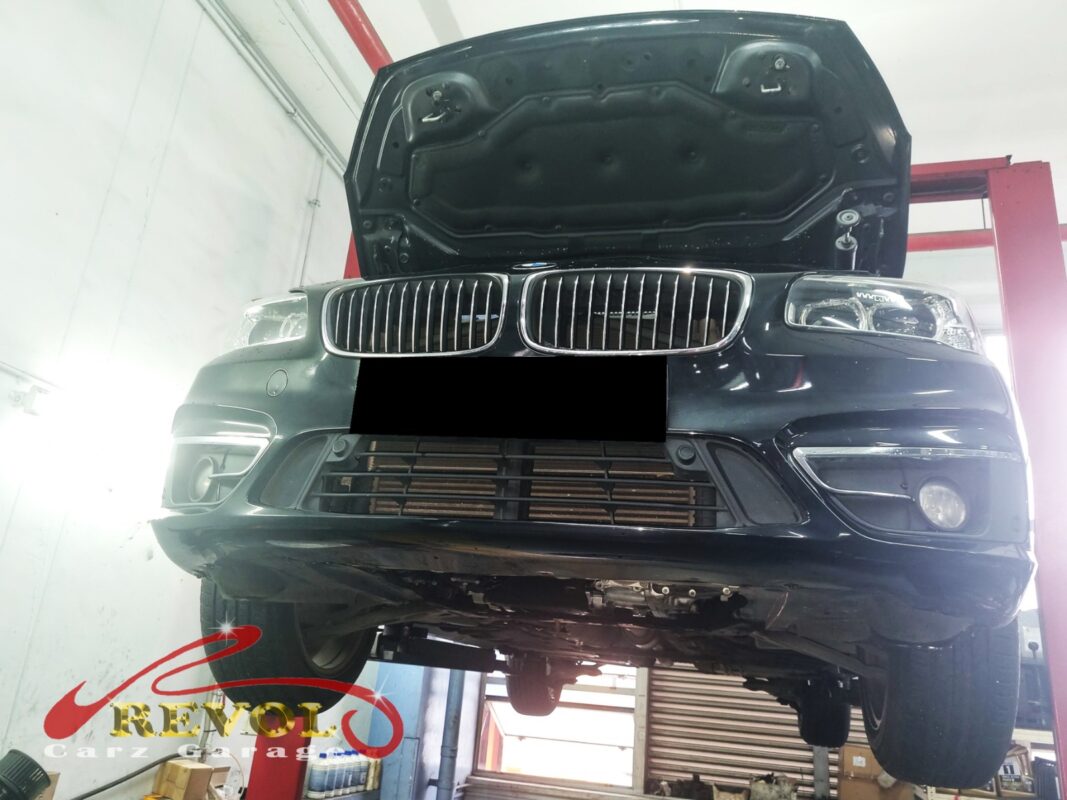
The diagnosis
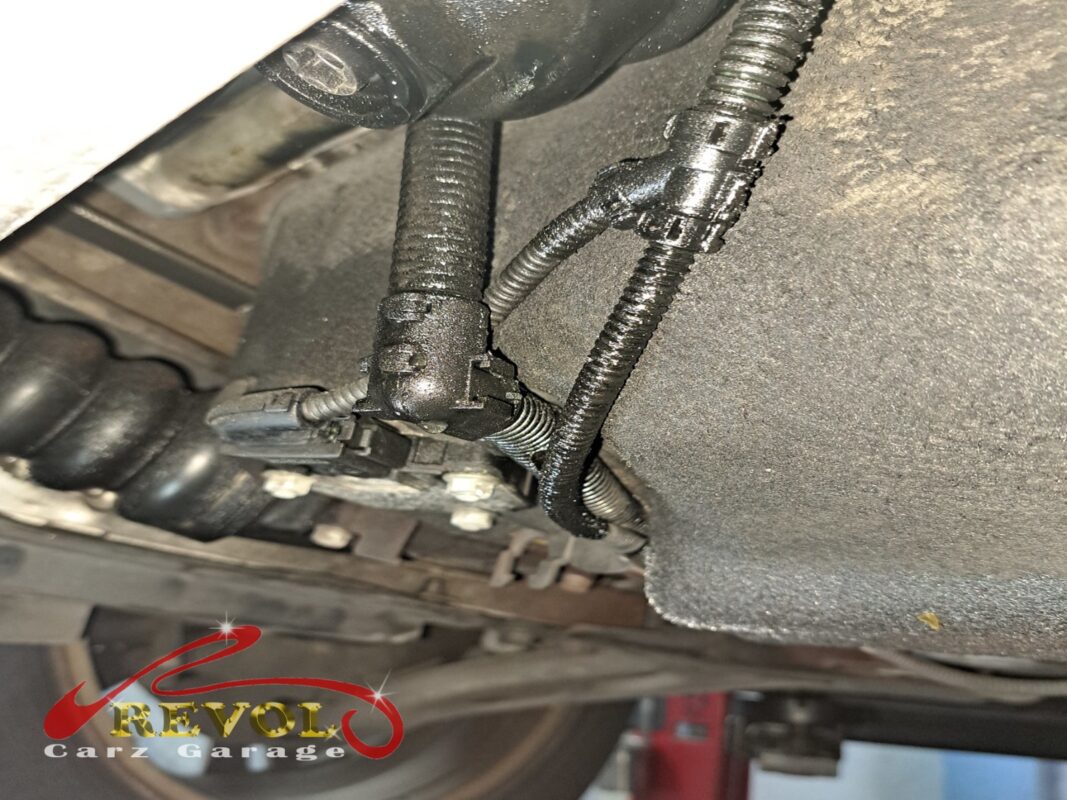
On the lift the leak traced cleanly to the oil filter housing. The gasket sealing it to the block had gone hard and was no longer holding oil, and once the housing was off it was clear the module itself had done its time, the plastic body oil-soaked and tired.
The cold-start knock had already gone away once the oil was topped back up, which fit the picture: a slow loss, not a worn bearing. The rest of the engine was dry. So the job was contained to the housing module, and rather than slot a new gasket onto a part that was clearly past its best, the housing itself was renewed.
The work
The oil was drained down far enough to take the housing off safely, then both mating surfaces were scraped back to clean bare metal. A new BMW-spec oil filter housing module went on, with fresh gaskets and a new oil filter, and the bolts were torqued to spec in the right pattern.
Then the engine was refilled with fresh oil to the correct level and held through a warm-up cycle, watching the join for any sign of a weep before the car was road-tested.
The outcome
Dry housing, no drips on the floor, the oil level holding steady, and no knock on the next cold start.
The 216d went home with the engine sealed properly again. For the owner that is the end of topping up between services and the end of that burning smell on the highway. And catching it before the level dropped far enough to actually damage anything meant a tidy repair rather than the much bigger bill a starved engine eventually brings.