The brief
The 216d had been squeaking on light braking for a couple of weeks, a fine vibration had crept into the pedal on harder stops, and the dashboard had now put up a pad-wear warning. Three signs all saying the same thing: the brakes were due.
Brake pads are a wear item by design, the friction material slowly grinds away every time you stop. The squeak is often a wear indicator scraping the disc, the pedal vibration is the pad getting thin and uneven, and the dashboard warning is the electronic sensor finally triggering. None of it is alarming on its own, but together it is the car telling you not to put this off.
The diagnosis
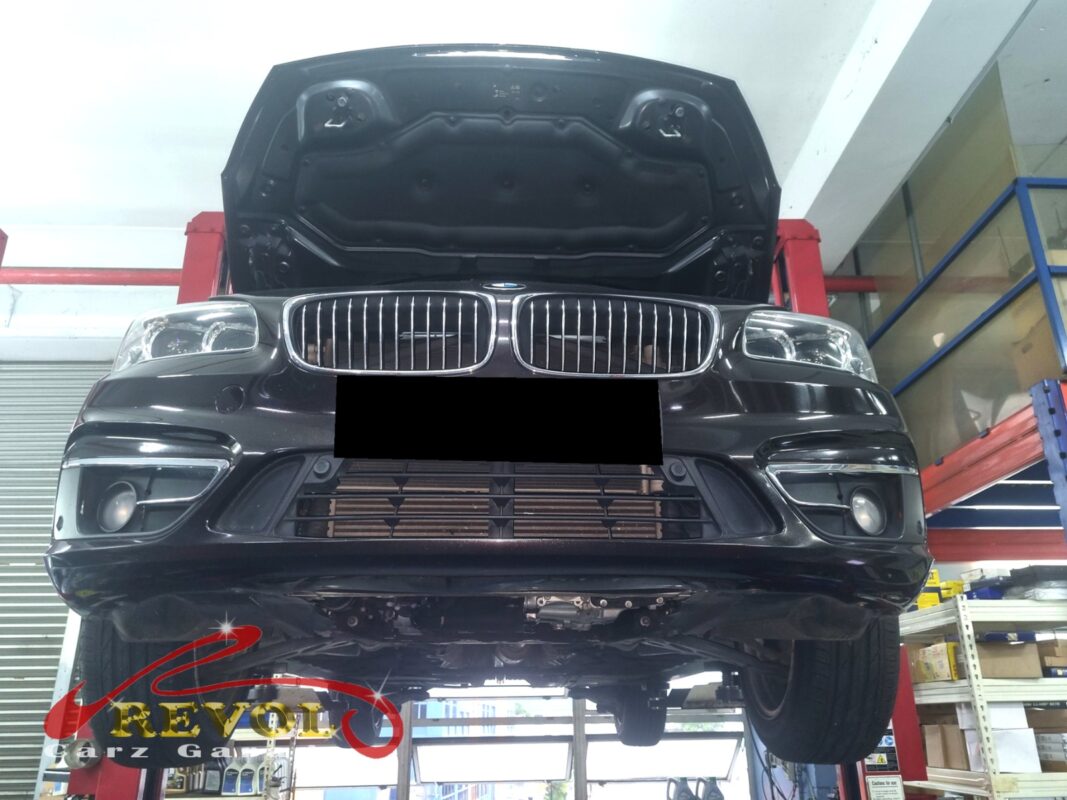
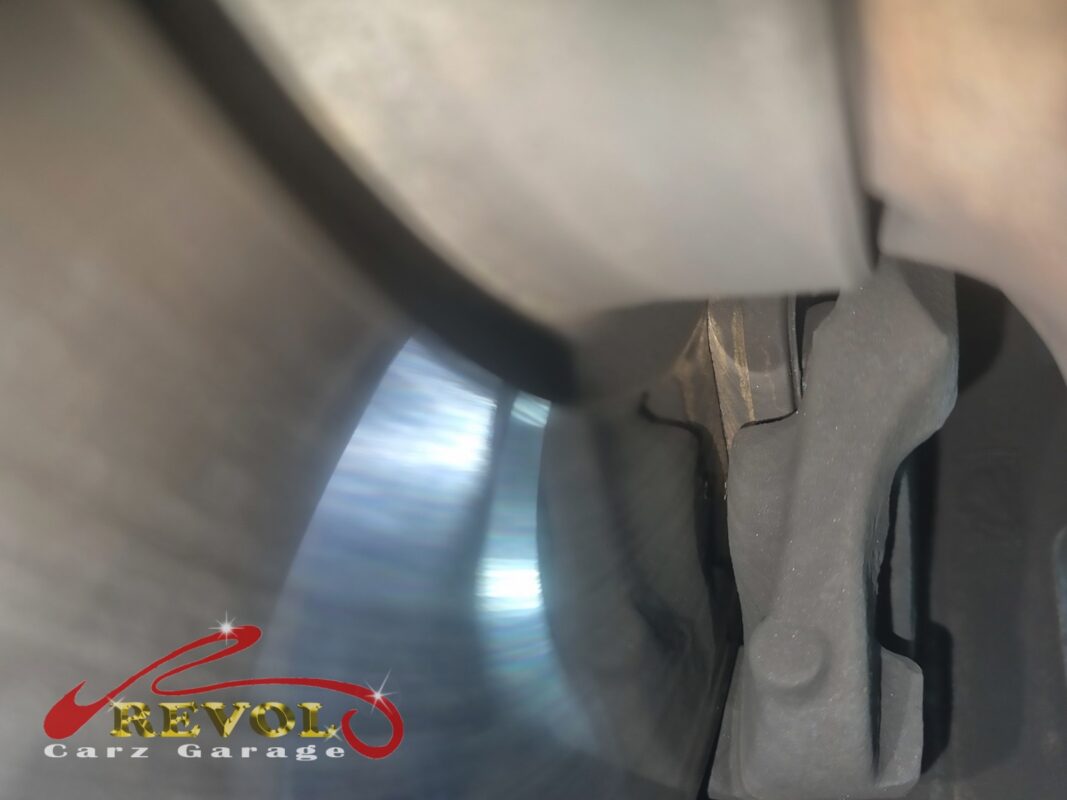
Wheels off, the front pads were down to the wear-indicator metal, exactly as the dashboard had reported, almost nothing left on them. The discs themselves were checked for thickness and runout and were still within spec, low in their range but with enough material to take another set of pads without going off-spec, so they could stay.
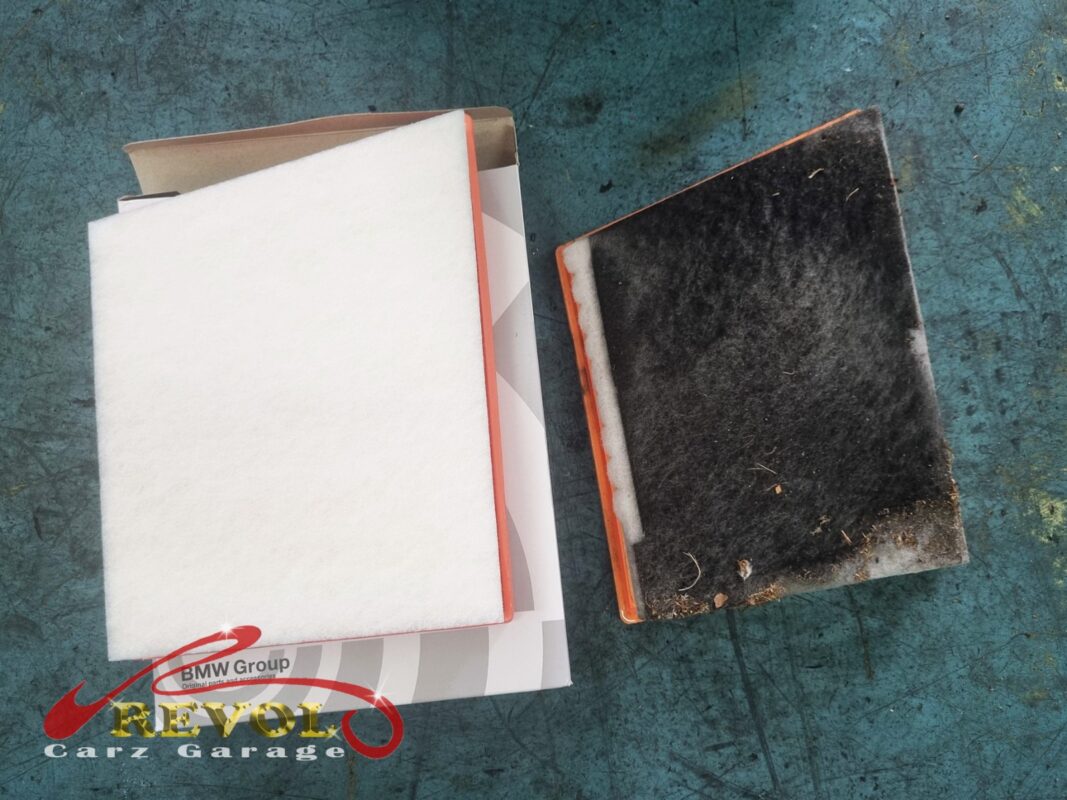
The rear pads were checked too and had worn more than expected, low enough that doing them now alongside the fronts made more sense than a separate trip in a few months. And while the wheels were off, the engine air filter was found clogged enough to change.
The work
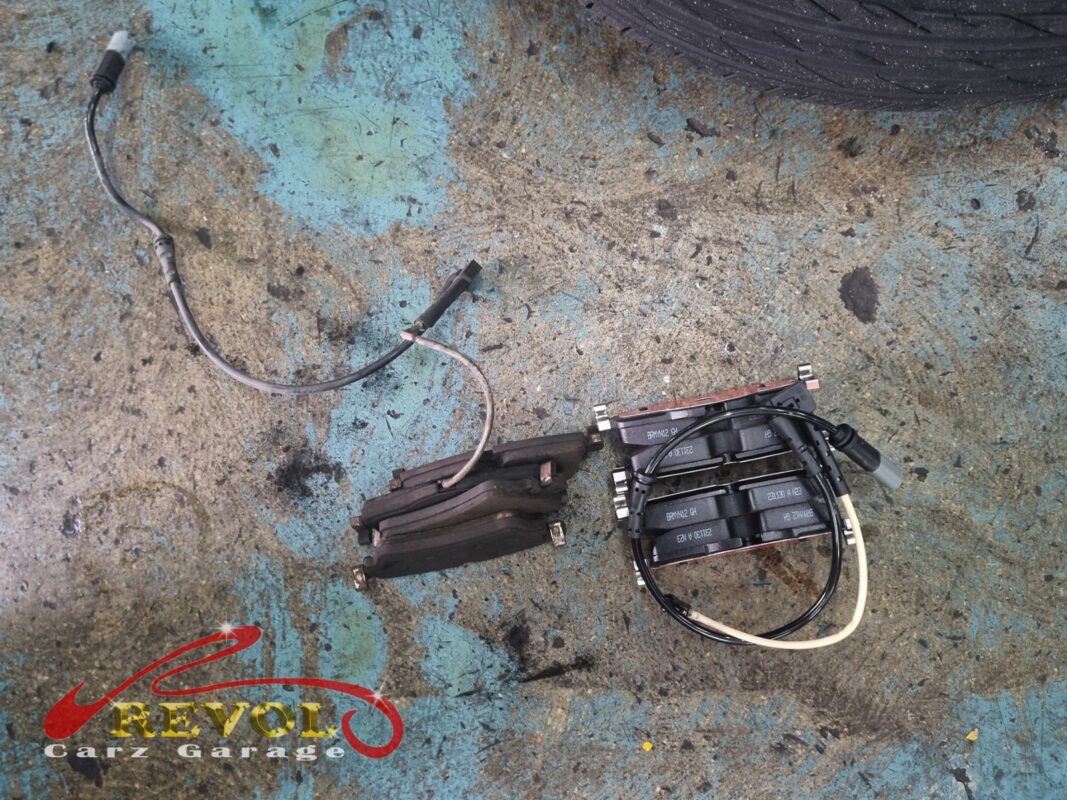
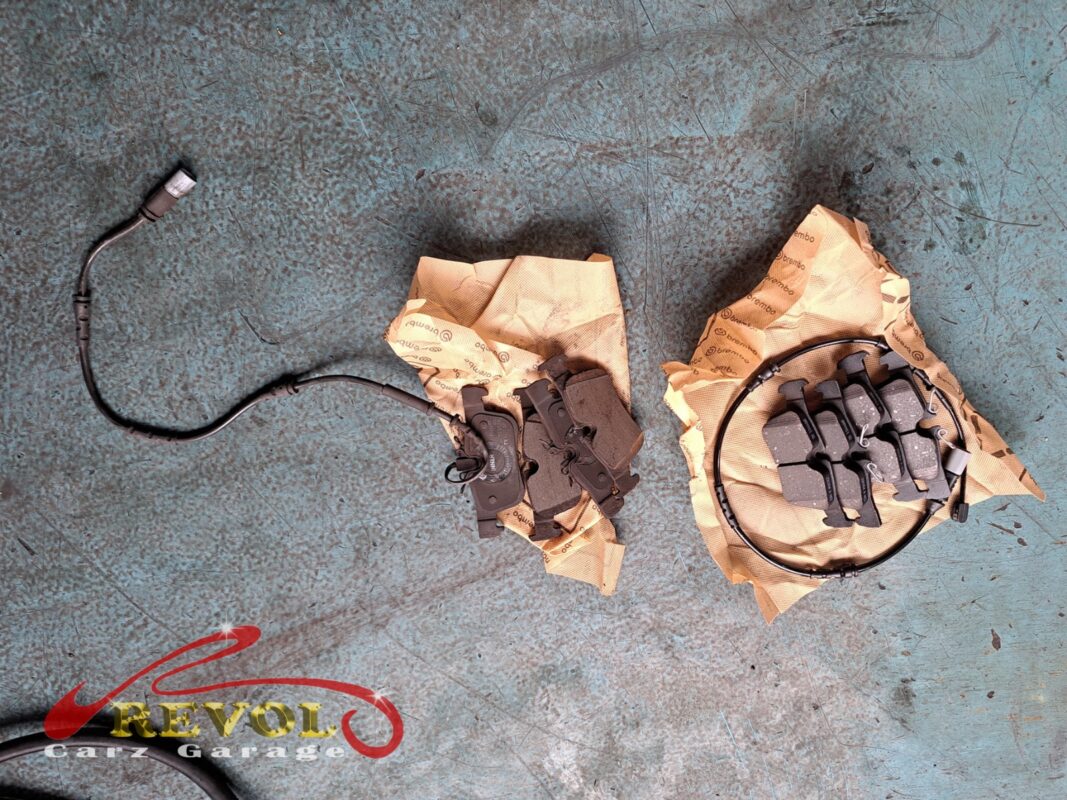
The front and rear callipers came off, the worn pads slid out, and fresh BMW-spec pads went in all round, with new wear sensors. The disc surfaces were cleaned up, the slider pins re-greased, and the callipers refitted to torque.
A new engine air filter went in. Then the new brakes were bedded in across a controlled road test, a series of progressive stops to lay an even transfer layer onto the discs so the pads bite properly from the first day.
The outcome
No squeak, no pedal vibration, full firm bite at the pedal, and the dashboard warning cleared.
The 216d went home stopping the way it should. For the owner that is the confidence of brakes that respond cleanly and quietly again, front and rear, plus a fresh air filter into the bargain. And catching the pads before they ran into the discs means the discs lived to take this set, rather than the pad job turning into a pad-and-disc job.