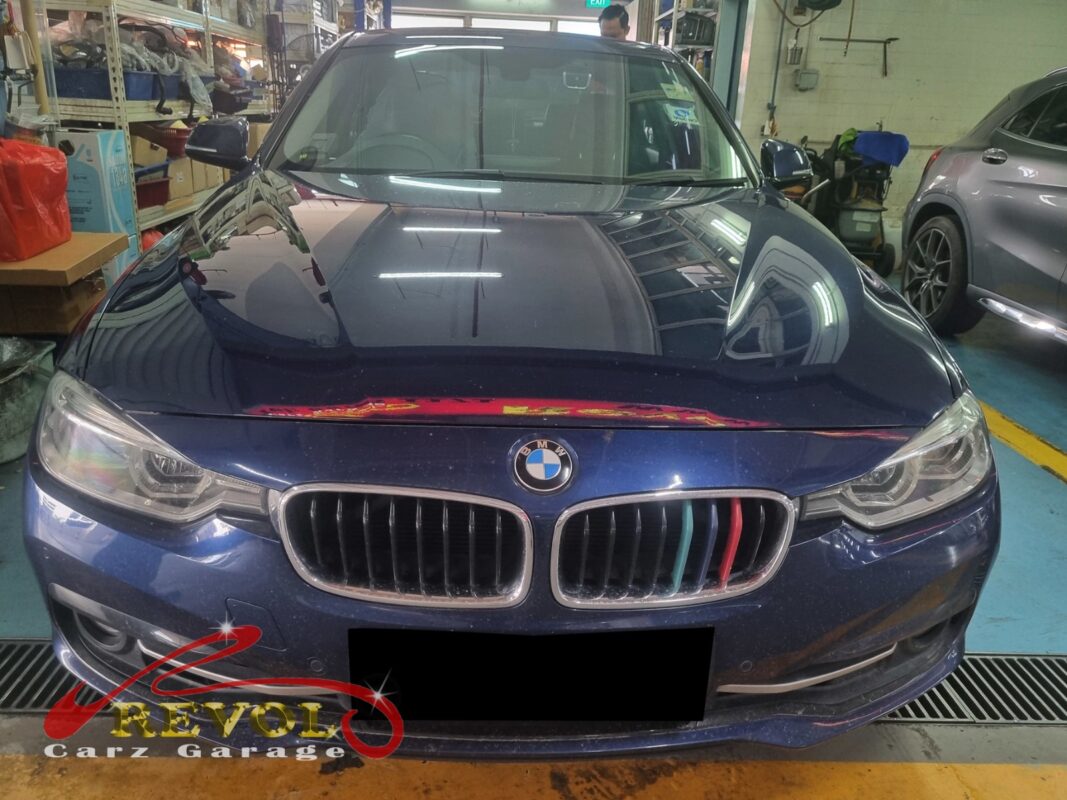
The brief
The 318i had been popping the low-oil warning on the dash a few times a week, even though every dipstick check the owner did showed the engine sitting right at the full mark. He brought it in to settle which one was lying, the dipstick or the dashboard.
This engine reads its oil level two ways: the dipstick you pull by hand, and an electronic sensor in the bottom of the sump that feeds the level to the cluster. When the two disagree, one of them is wrong, and a sensor that has worn or started to leak internally will send a reading that has nothing to do with how much oil is actually in there.
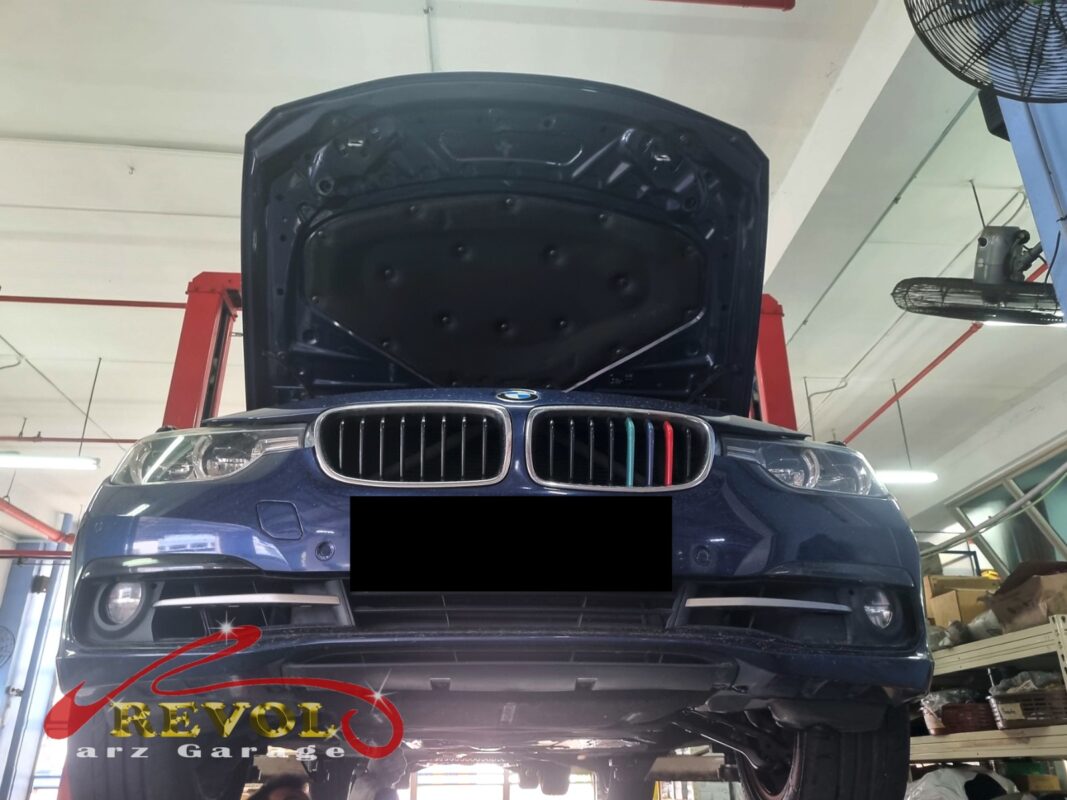
The diagnosis
A scan plus a drain-and-measure settled it: the actual oil quantity was bang on spec, exactly what the dipstick had been showing. So the engine was fine; the sensor was the one telling stories.
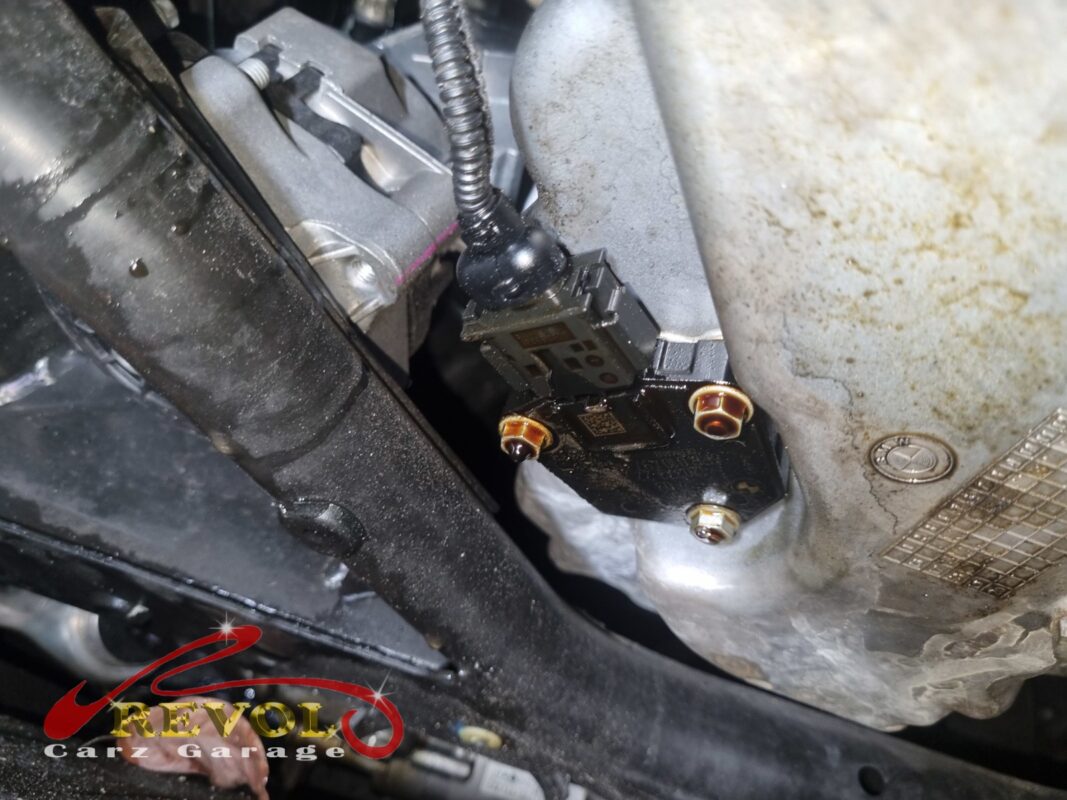
A look at the sensor showed a small oil weep at its housing, the kind of thing that goes hand in hand with the unit failing internally. There is no recalibrating a sensor that has gone bad, so the fix was a new one.
The work
Enough oil was drained to drop the sensor cleanly, the failed unit came out, and a new BMW-spec oil level sensor went in with a fresh seal. The engine was refilled with the correct oil to the right level, the stored warning cleared, and the sensor checked on the BMW handset to confirm it was now reading the same level the dipstick showed.
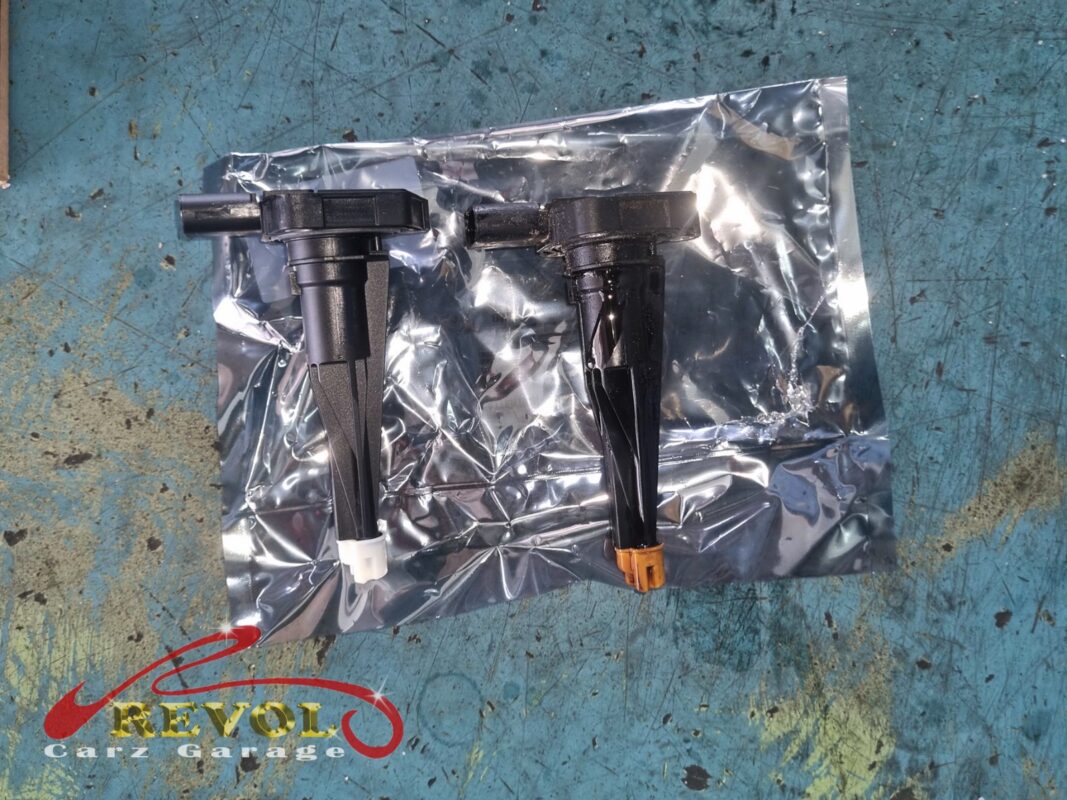
The outcome
Warning light off, the sensor reading matching the dipstick, and nothing coming back over a drive cycle.
The 318i went home with the dashboard telling the truth again. For the owner the practical win is small but real: no more morning low-oil warning to second-guess, no more wondering whether to top up a level that was fine all along. And ruling out an actual oil-consumption problem along the way was worth doing in its own right.