The brief
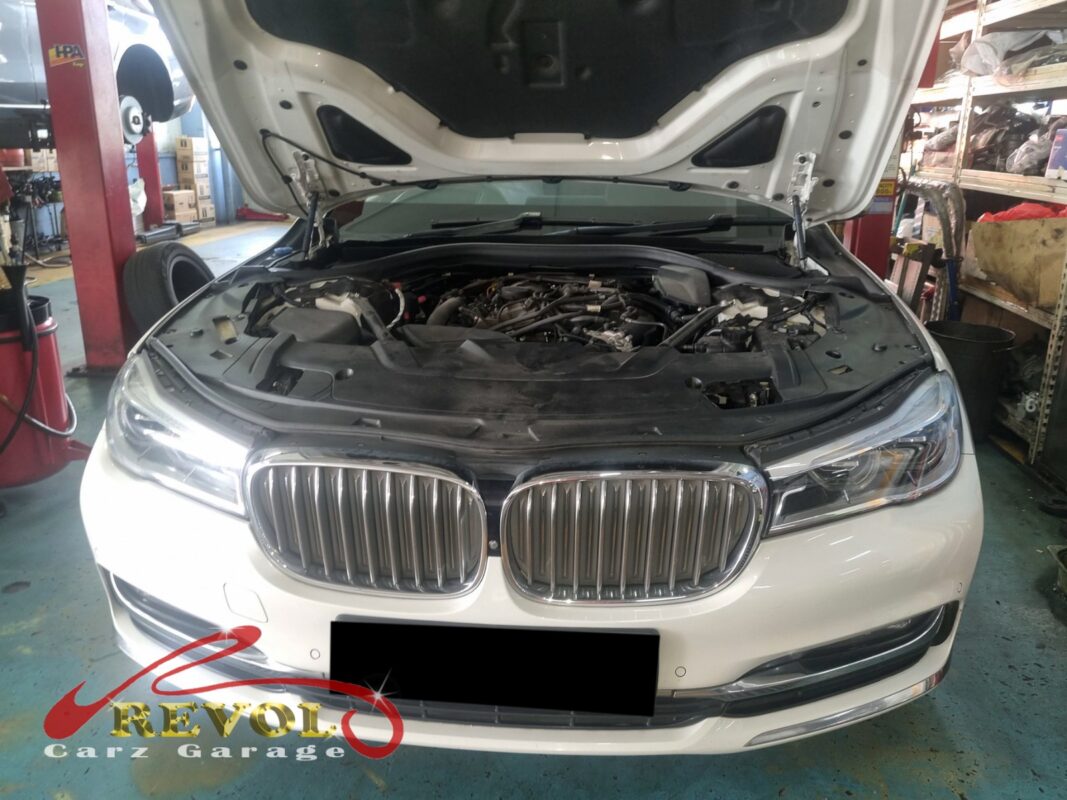
The owner had been seeing coolant puddles under the 730Li, repeated low-coolant warnings on the dash, and the engine temperature running hotter than usual on regular drives around town. He brought it in to find the source before it turned into something bigger.
The radiator is where the coolant offloads its heat, hot coolant running through a fine core in the airflow and coming out cooler. The core takes years of pressure cycles and road grit, and eventually it can spring a leak. The slow drop in level is the leak, the puddle is what reaches the floor, and the running-hot is the system no longer having quite enough coolant to keep up in slow traffic.
The diagnosis
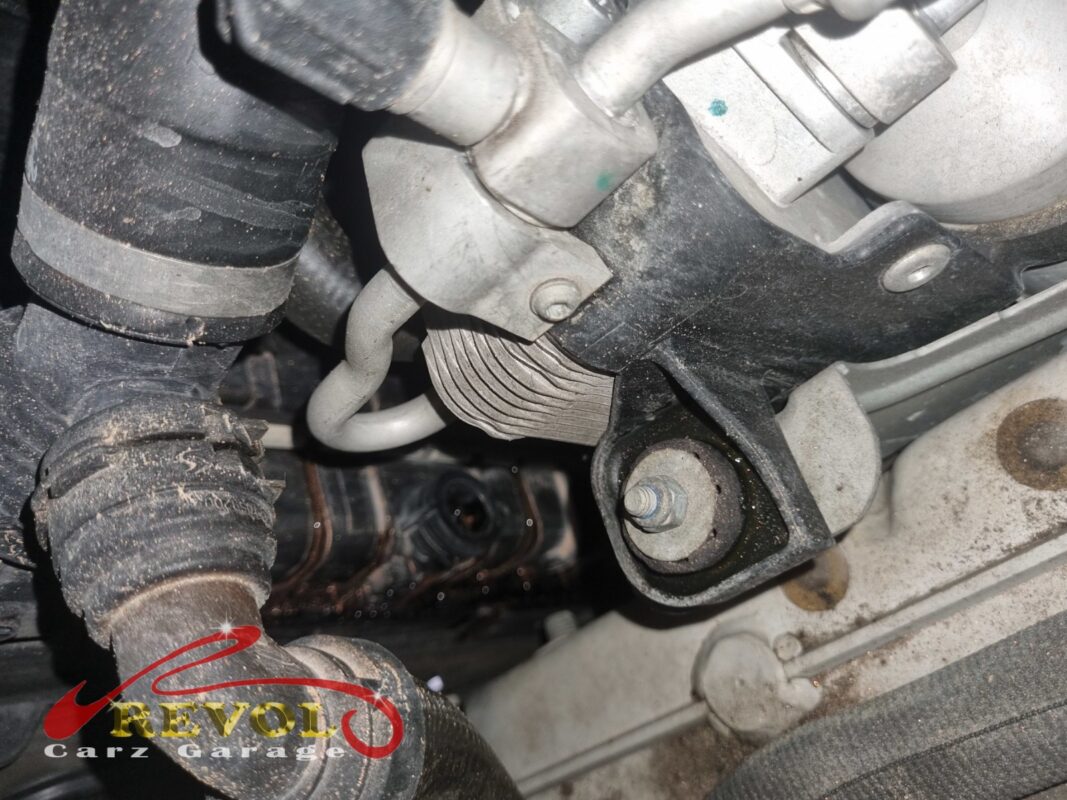
On the lift with the cooling system pressurised, the leak traced directly to the radiator itself. The hoses, the water pump and the expansion tank all checked out clean.
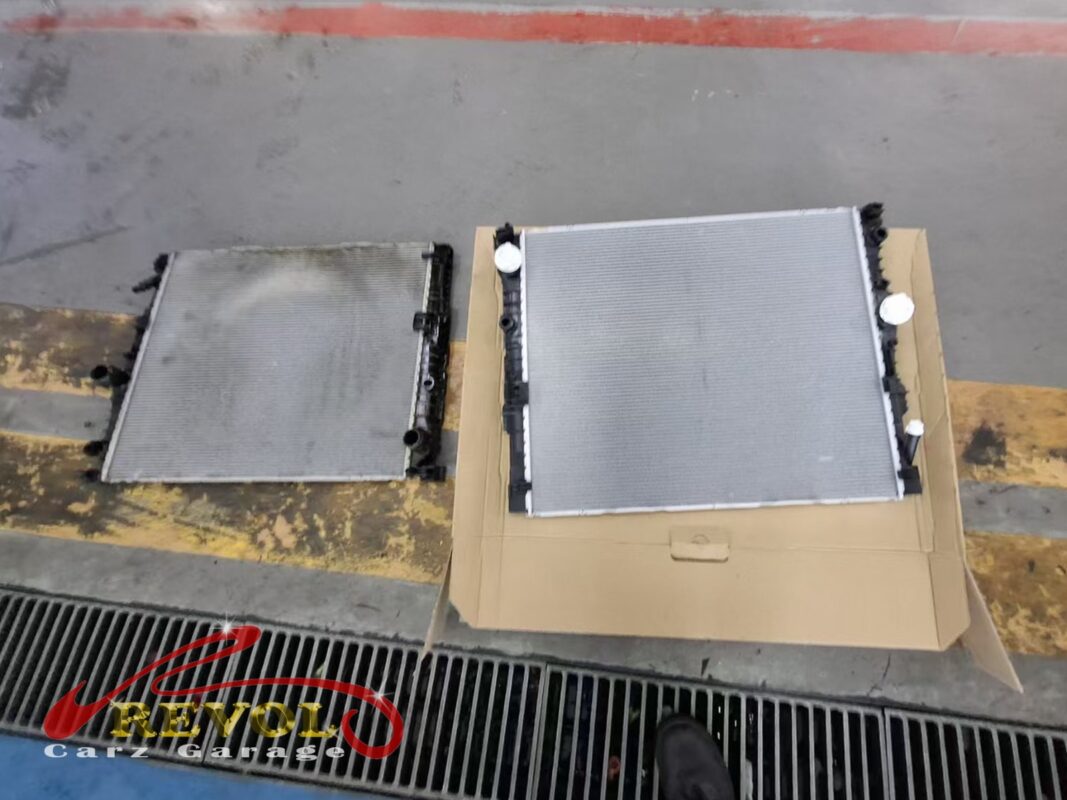
There is no patching a leaking radiator core in a way that lasts. The right fix was a new radiator, which also gives the cooling system a fresh, full-capacity core rather than one that has been quietly losing coolant.
The work
The cooling system was drained, the failed radiator removed, and a new BMW-spec radiator installed in its place. The system was refilled with the correct BMW coolant and bled of trapped air the proper way, then pressure was held on it to confirm no further leaks at any joint.
The engine was run up to temperature and the gauge watched before the car was road-tested.
The outcome
The engine temperature back in the normal band on a road test, and no more low-coolant warnings on the dash.
The customer drove off the same day with the cooling system back to spec. For the owner that is the end of the puddle and the warning light, and replacing the radiator before it failed outright meant no overheating event, which is the difference between a planned cooling-system job and a much bigger engine repair.