The brief
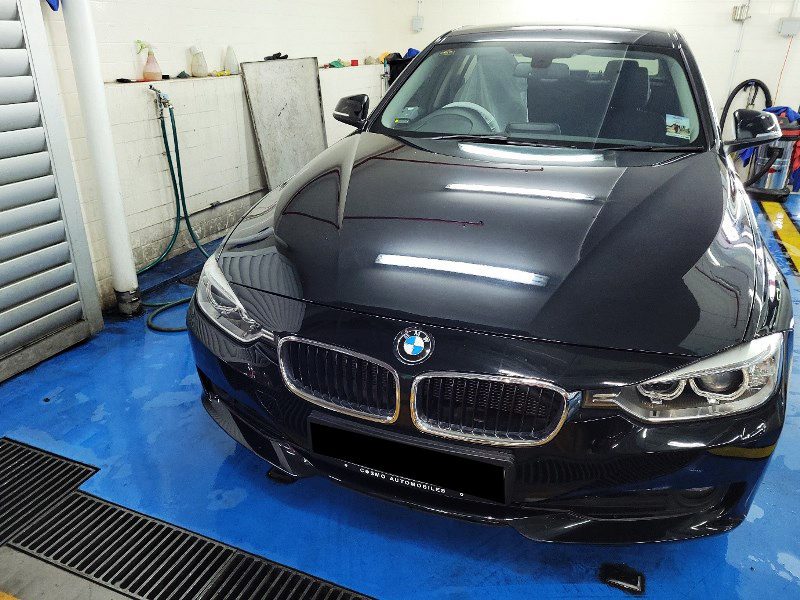
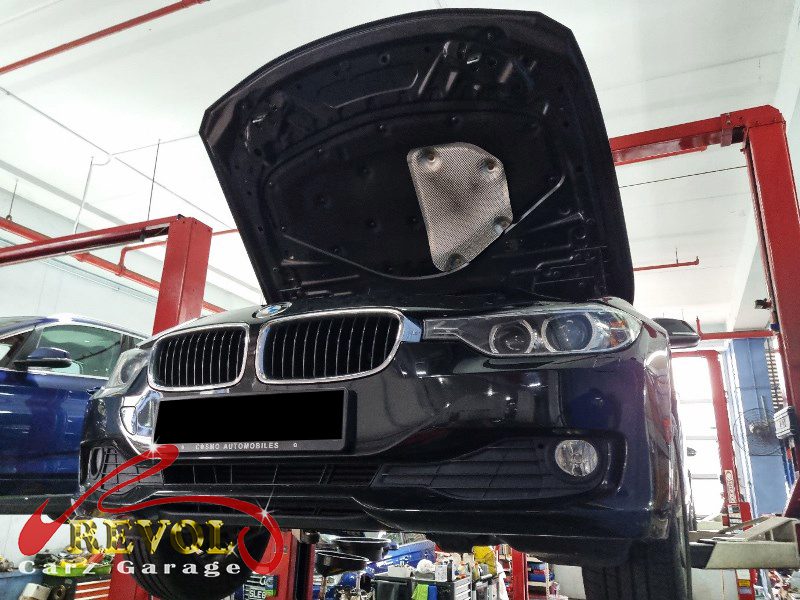
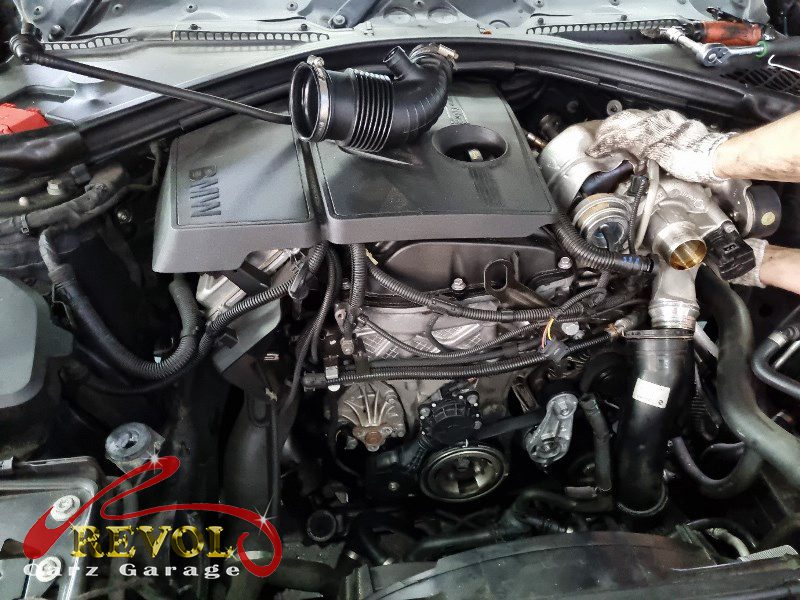
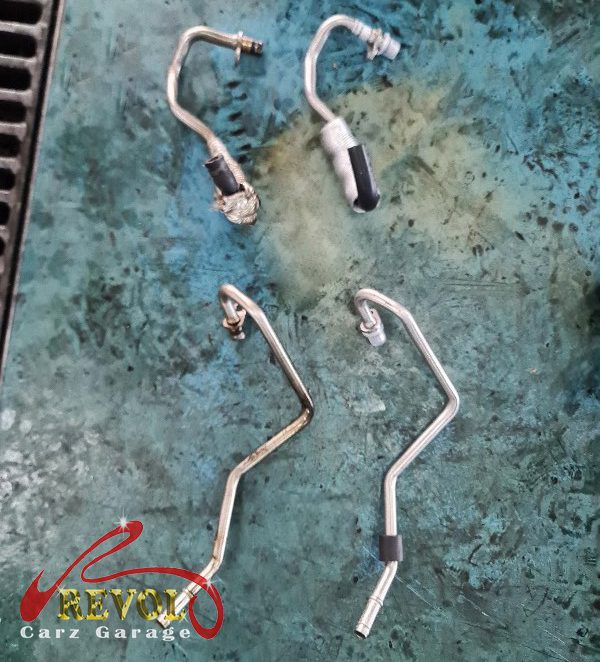
The 316i needed coolant topped up twice within a month or two, the level dropping with no obvious puddle. He brought it in, which is exactly right, coolant that disappears that fast is leaking somewhere, and a slow leak turns into an overheat the day it lets go. The turbocharger on this engine is water-cooled, fed by a pair of small coolant pipes that carry coolant to and from the turbo to keep it from cooking. Those pipes run right by a hot engine and a hotter turbo, and they crack with age, usually at a joint or a bend, weeping coolant that flashes off on the hot parts so you barely see it, and the level keeps dropping. A cracked turbo coolant pipe doesn't reseal, and the crack only spreads, so it needs replacing.
The diagnosis
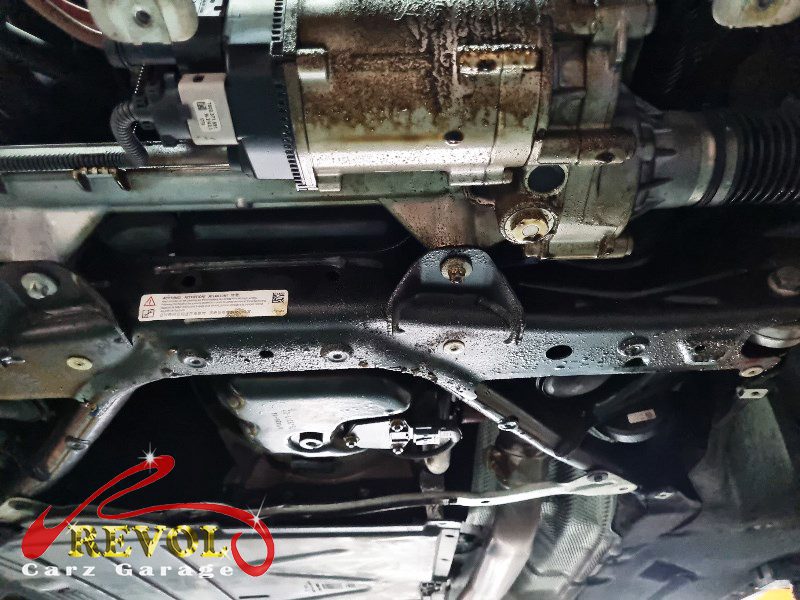
A pressure test on the cooling system pinpointed it, the coolant pipe feeding the turbo was weeping from a hairline crack and bleeding pressure slowly, which is the fast-disappearing coolant. The radiator, the hoses, the water pump, the expansion tank and the rest of the system held fine. That's a pipe replacement, with fresh seals and clamps, rather than chasing a crack that's only going to spread.
The work
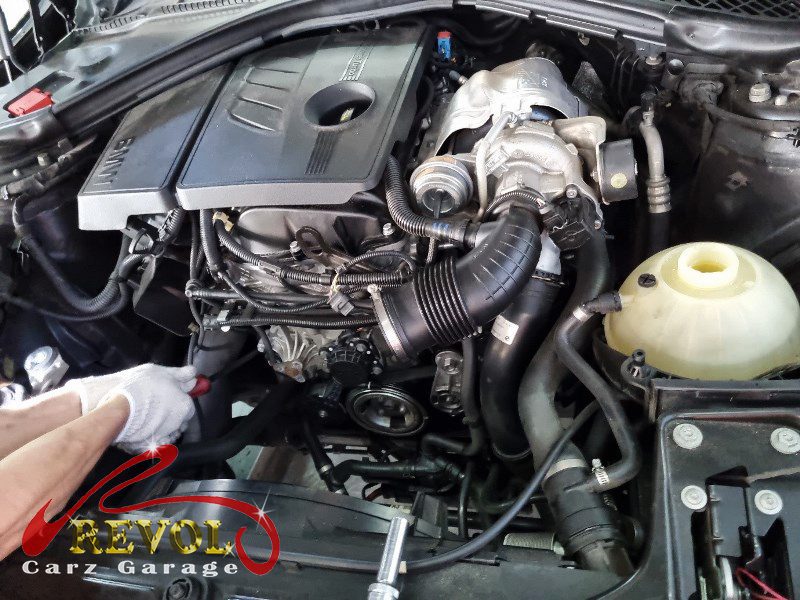
The cooling system was drained enough to get at it, the old cracked turbo coolant pipe removed, and a new genuine BMW-spec pipe fitted with fresh seals and the clamps renewed. The system was refilled with the correct BMW coolant, the air bled out the proper way so no pockets were left, and held under pressure to confirm it held with no weep. A road test confirmed the gauge sat steady through traffic and at speed, no overheating, and the level stayed put.
The outcome
No more coolant loss, the level holding between checks, the gauge steady, and the system holding pressure as it should. The 316i went home with the leak resolved. A cracked turbo coolant pipe only splits further, and the failure at the end is a sudden coolant dump and an overheat that can cost a head gasket, so changing the pipe kept it to a tidy, planned job.