The brief
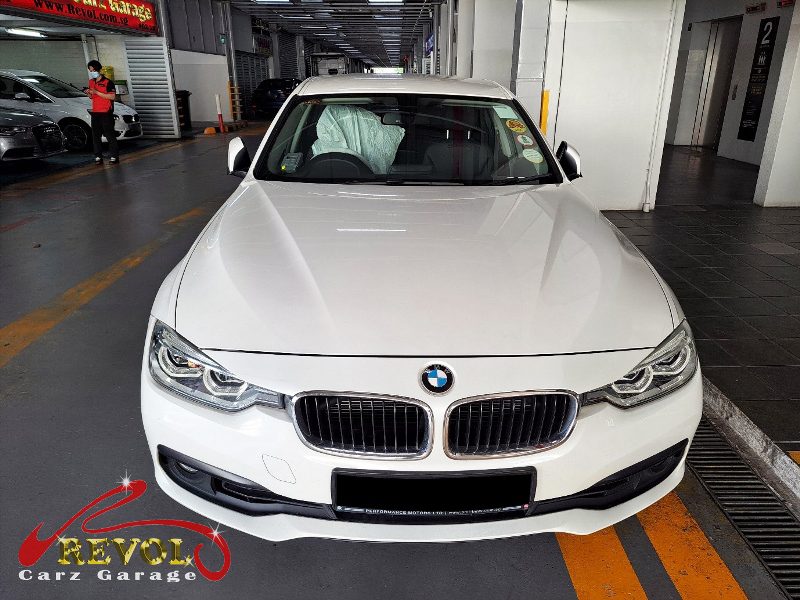
The 318i kept needing coolant topped up between services, the level dropping with a faint sweet smell and the odd drip under the front. He brought it in, which is exactly right, coolant that disappears is going somewhere and a slow leak turns into an overheat the day it lets go, and an overheat can damage the engine. On these the radiator is a common source. The radiator sheds the engine's heat to the air, and on a BMW its end tanks and the seam where they crimp onto the core are plastic, which heat-cycles under pressure for years until it gets brittle and cracks. It weeps a little coolant that flashes off on the hot engine so you barely see it, and the level keeps creeping down. A cracked radiator doesn't reseal, and the crack only spreads, so it needs replacing.
The diagnosis
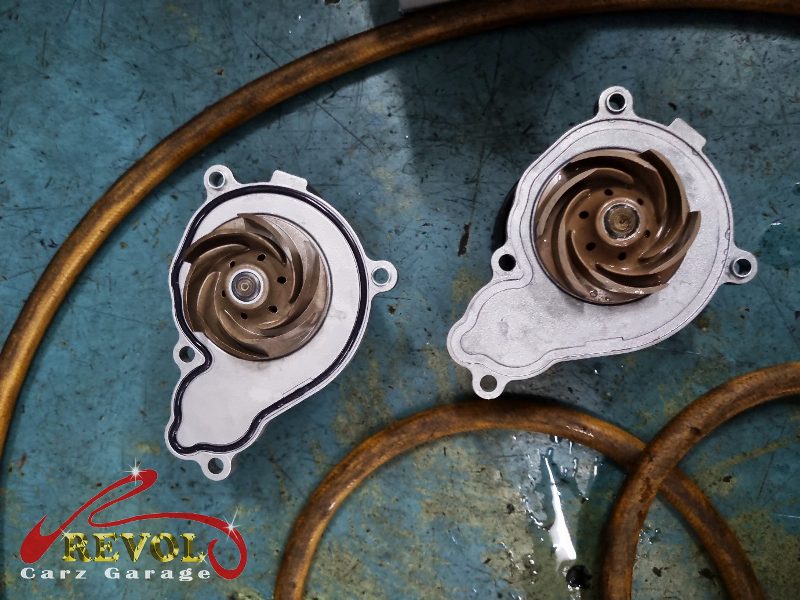
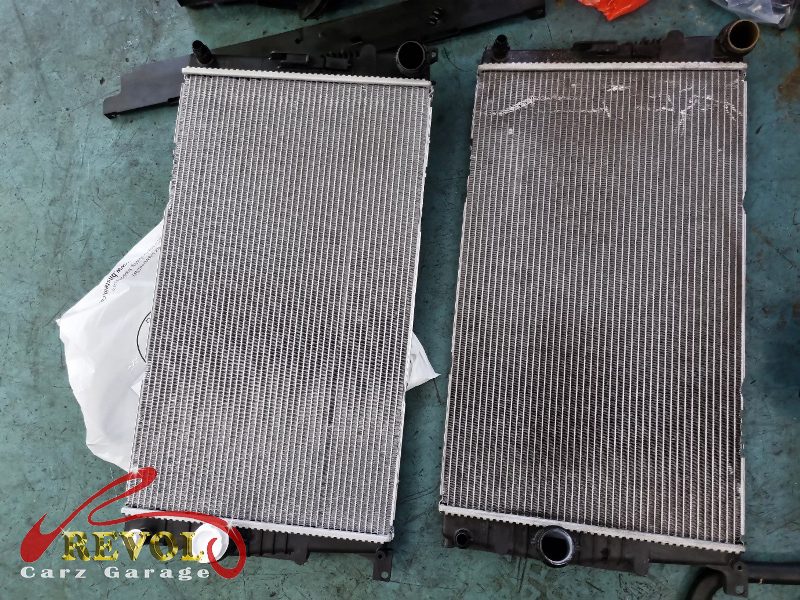
A pressure test on the cooling system pinpointed it, the radiator was weeping from a hairline crack at an end tank seam and losing pressure slowly, which is the disappearing coolant. The hoses, the water pump, the expansion tank and the rest of the system held fine. That's a radiator replacement, you don't patch a cracked plastic tank, so the call was a complete radiator with fresh hoses and clamps as needed.
The work
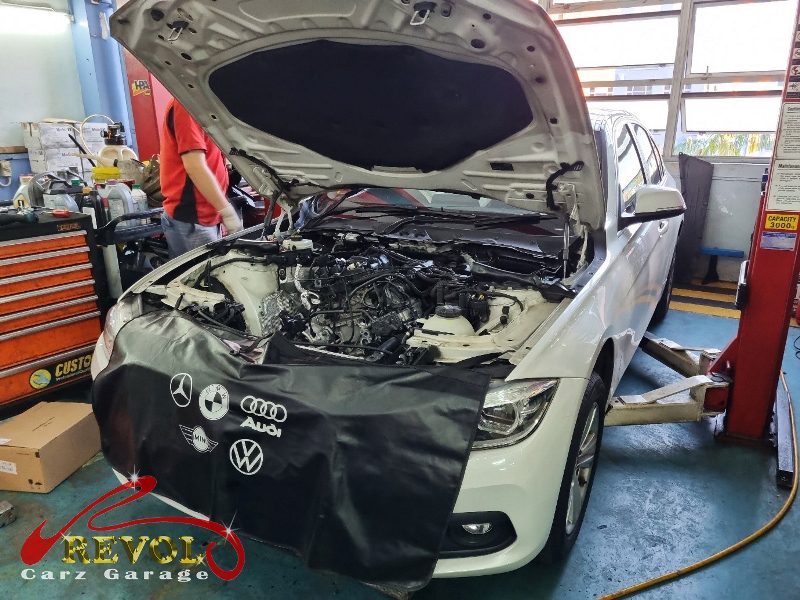
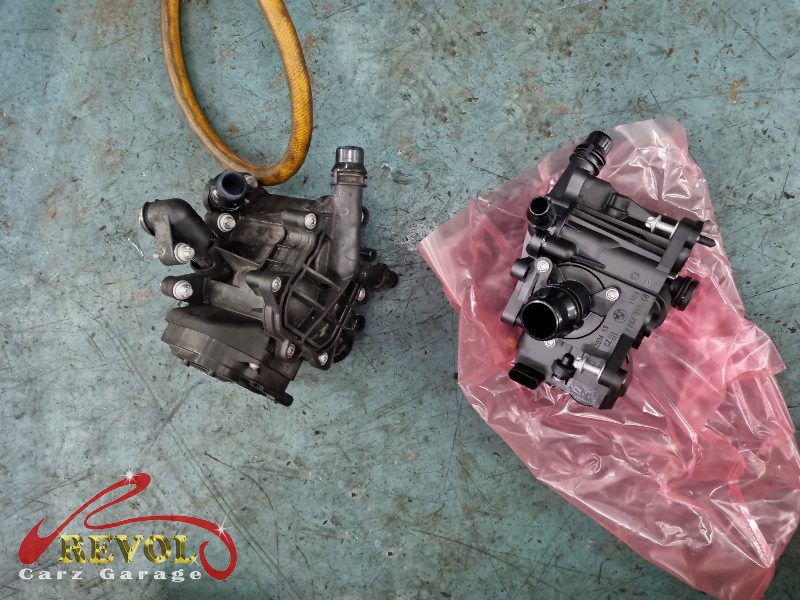
The cooling system was drained, the old cracked radiator removed, and a new genuine BMW-spec radiator fitted with fresh hose clamps and the connections checked. The system was refilled with the correct BMW coolant, the air bled out the proper way so no pockets were left, and held under pressure to confirm it held with no weep. A road test confirmed the gauge sat steady through traffic and at speed, no overheating, and the level stayed put.
The outcome
No more coolant loss, the level holding between checks, the gauge steady, and the system holding pressure as it should. The 318i went home with the leak resolved. A cracked radiator only splits further, and the failure at the end is a sudden coolant dump and an overheat that can cost a head gasket, so changing the radiator kept it to a tidy, planned job.