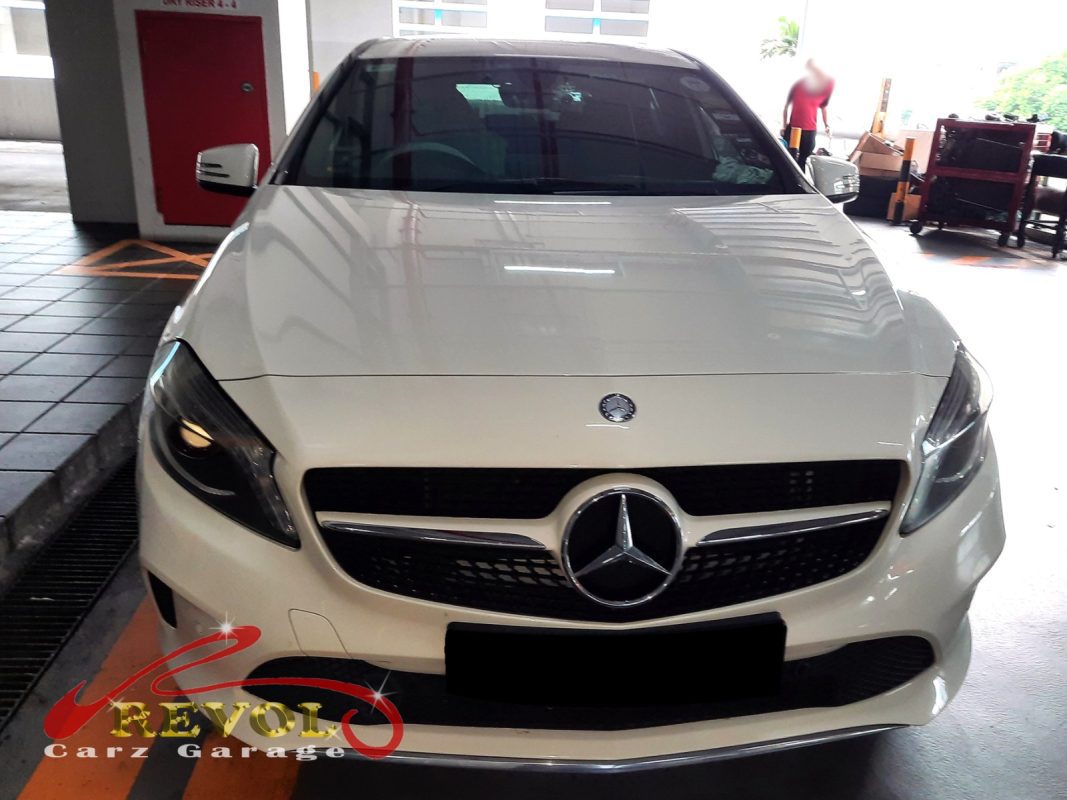
The brief
The A180 was cranking weakly even though the battery had recently been changed, with the lights dimming, a warning light on the dash, slow power windows, and a noise off the engine. He brought it in. When a fresh battery still can't hold a charge, the alternator is the prime suspect. The alternator is what generates the car's electricity once it's running and keeps the battery topped up. When it fails, it stops charging properly, so the battery slowly drains no matter how new it is, the lights and the electrics go weak as the voltage sags, the warning light comes on, and a worn bearing or a slipping pulley makes the noise. A failed alternator doesn't recover, so it needs replacing.
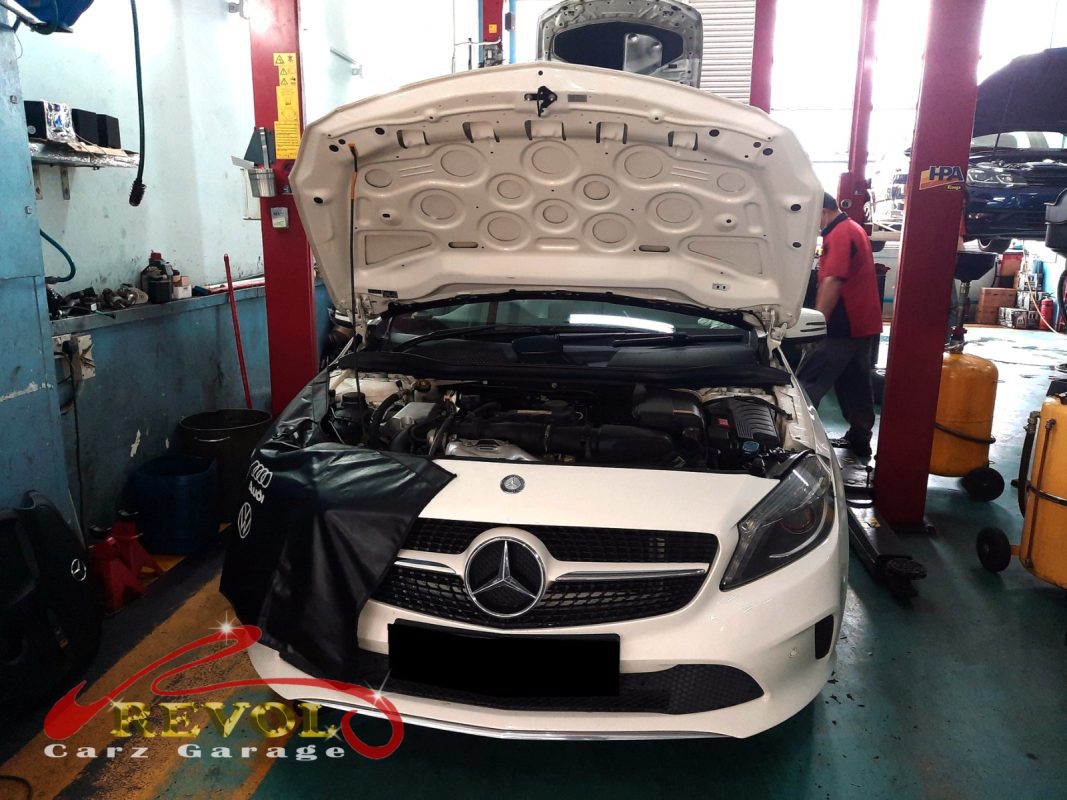
The diagnosis
A charging-system test confirmed it, the alternator wasn't holding the charging voltage where it should under load, so the battery was carrying the car instead of being topped up, and the bearing was rough. The battery itself tested fine, it was just being run flat. That's an alternator replacement, not something you rebuild on the car, so the call was a complete unit.
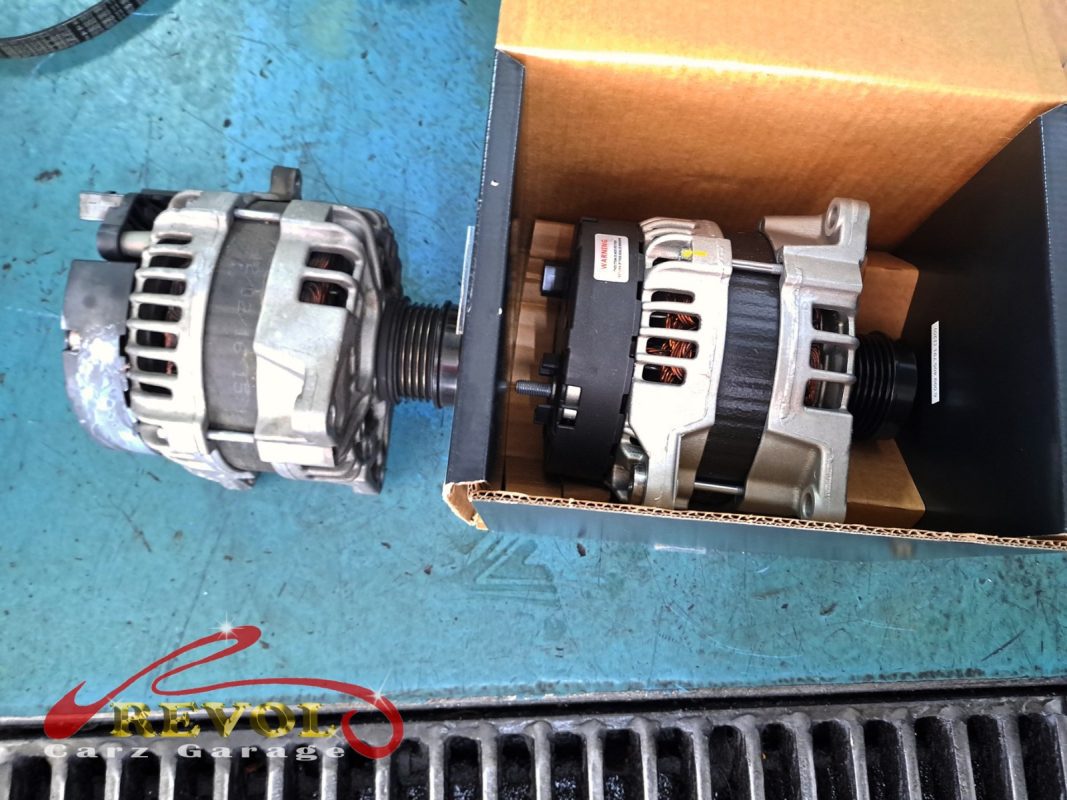
The work
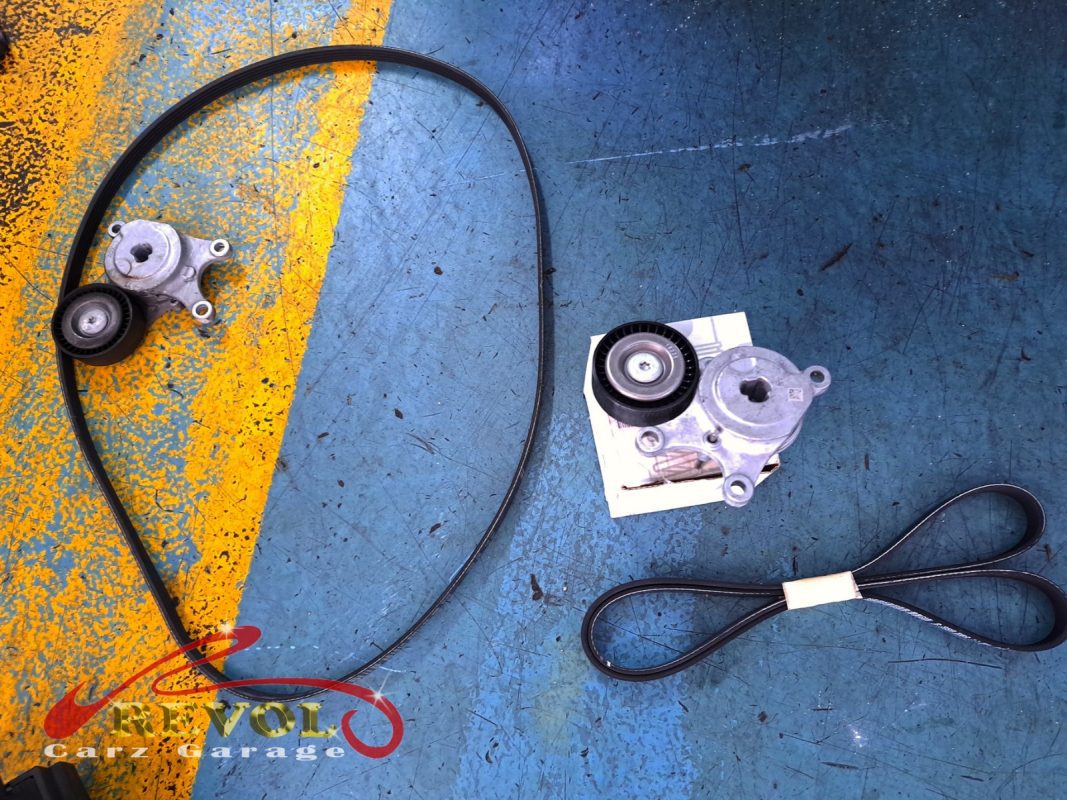
The drive belt was released, the old alternator unbolted and removed, and a new genuine Mercedes-spec alternator fitted, the belt and tensioner checked and set back up properly. Then the charging voltage was checked across idle and load to confirm it was holding where it should, and the battery given a proper charge. A road test confirmed a strong crank, steady voltage, the lights bright, and no noise.
The outcome
Strong starts, steady charging voltage, bright lights, no dash warning, and no noise from the engine. The A180 went home charging properly again. A failed alternator quietly flattens even a brand-new battery and drags the whole electrical system down with it, so changing it and confirming the charging put the car right.