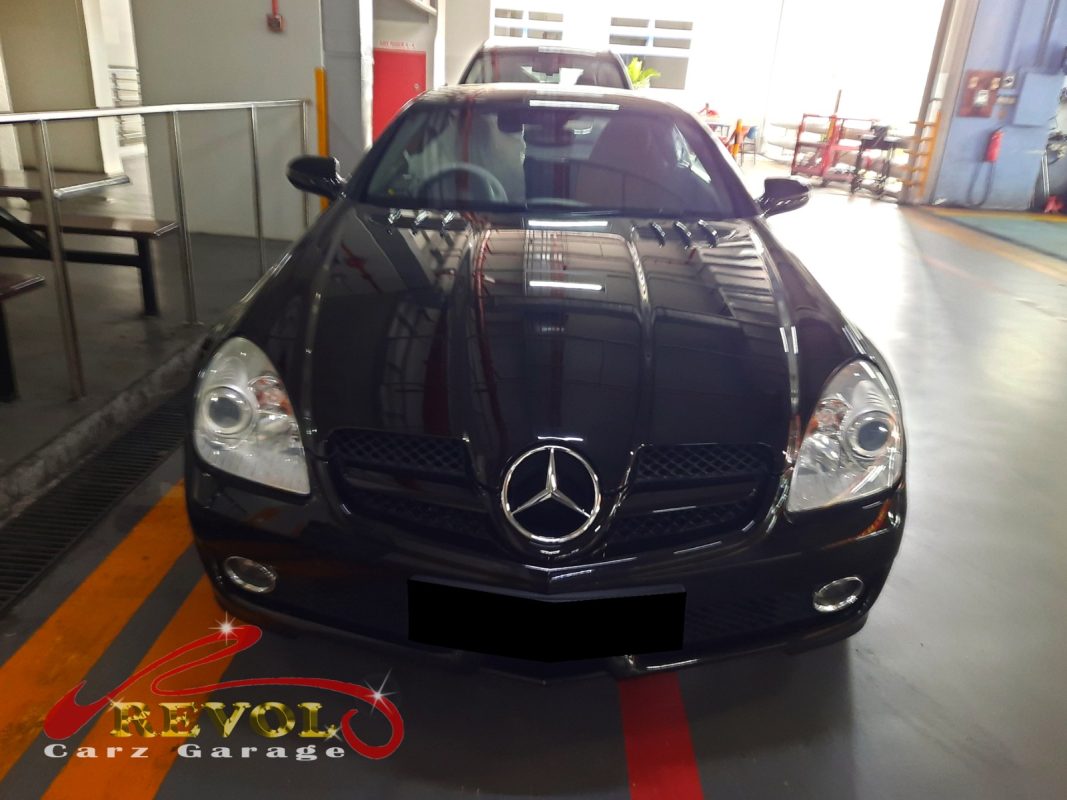
The brief
The SLK200 came in for routine servicing, the owner wanting it done properly rather than a quick oil change, with the car looked over so any small problem got caught before it grew. He booked it in. A proper service runs through the whole car: change the oil and filter, replace the air and cabin filters, look over the brakes, suspension and electrical side, check the battery under load, test the brake fluid for water, run a diagnostic scan, and eyeball the belts, hoses and underbody. Done right, it keeps the car reliable and tells the owner exactly what state it's in, instead of waiting for a warning light or a breakdown.
The diagnosis
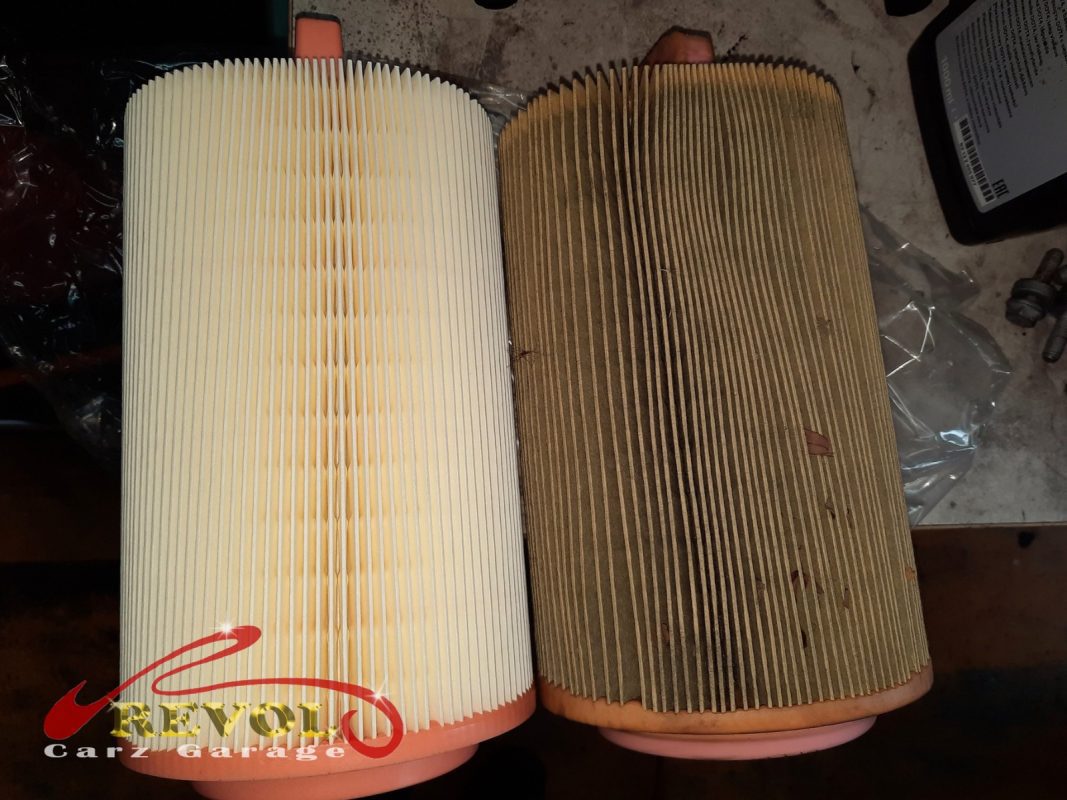
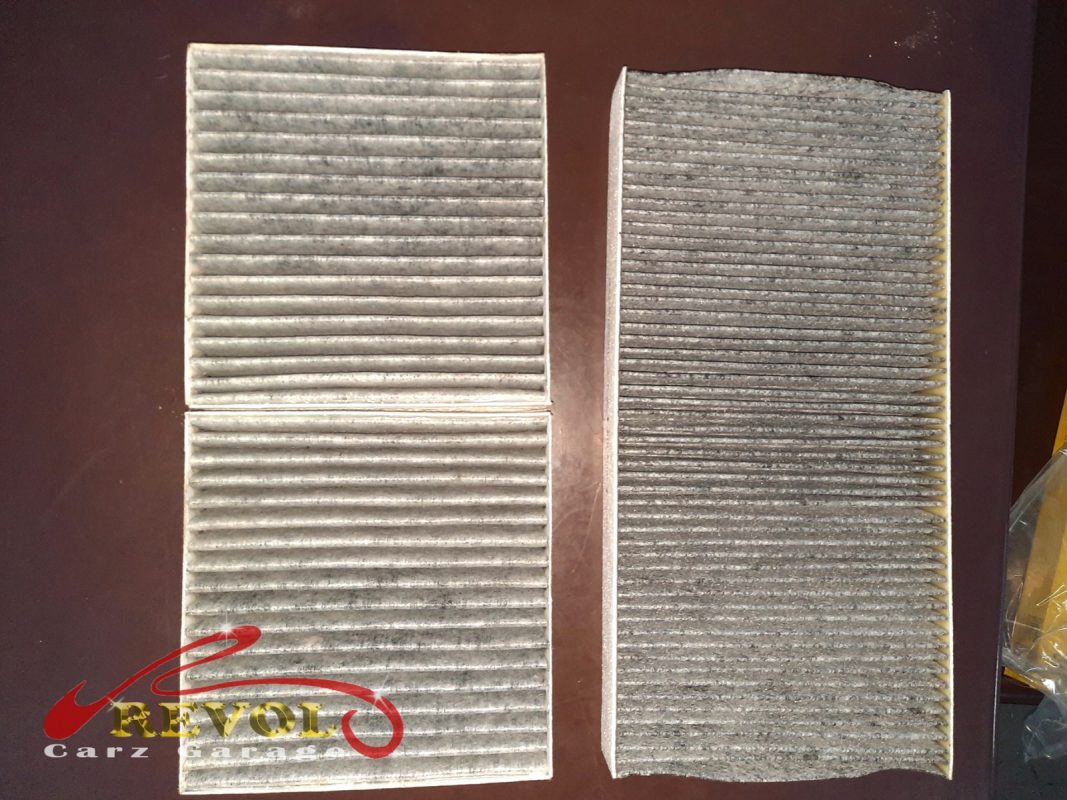
The visual and diagnostic check went through the lot. The engine oil and filter were due, the air filter and cabin filter were at the end of their life, the brake fluid's water content was a touch high, and the battery was beginning to slip on the load test. The brakes, suspension, belts, hoses and underbody all checked out clean, and there were no fault codes stored. So it was a full-service list rather than a repair: replace the wear items, freshen the fluids, and note the battery to watch.
The work
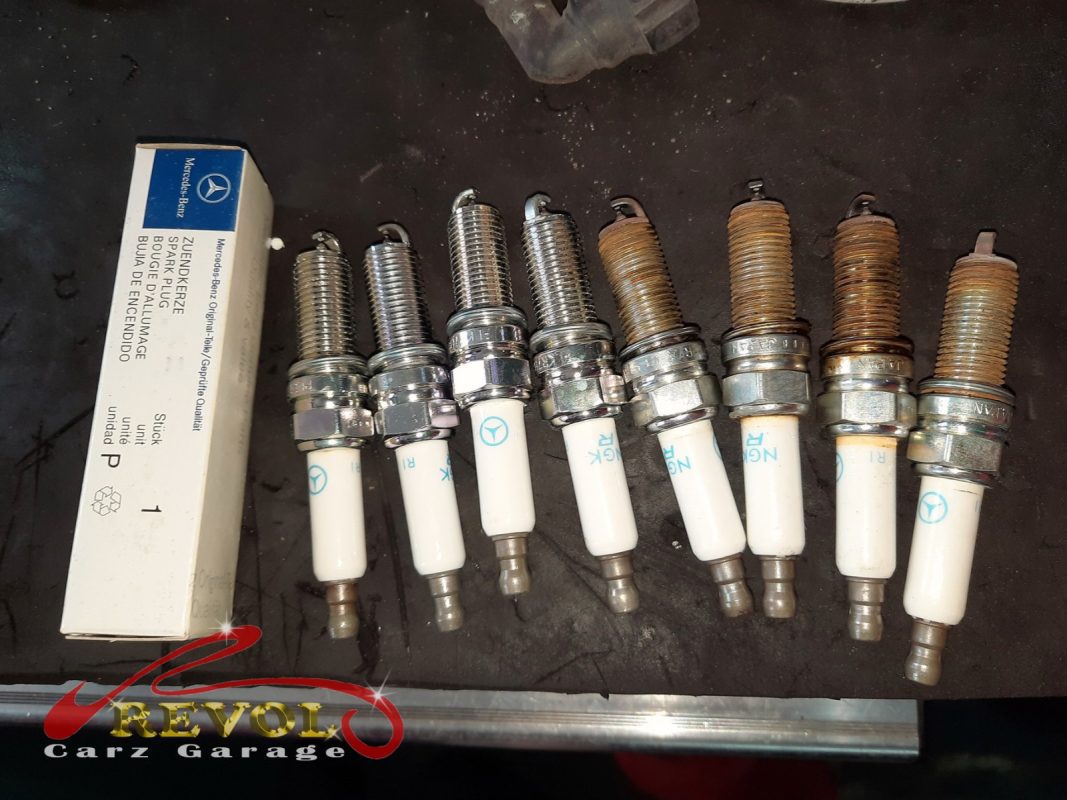
The engine oil was drained and refilled with the correct Mercedes-spec oil and a new oil filter fitted. The air filter and the cabin filter were replaced. The brake fluid was bled and refilled. The battery was load-tested and flagged to watch. Coolant and washer fluid were topped up to spec, the brakes and suspension checked over, and a full diagnostic scan run. A quick run confirmed everything was running cleanly and nothing was leaking.
The outcome
A full clean bill of health on the SLK200. No flags, no surprises, and a clear note for the owner about the battery to watch. Back on the road for another service interval. A proper service is the cheapest insurance there is: a few hours and a set of consumables now, instead of a breakdown later, and a clear picture of where the car stands.