The brief
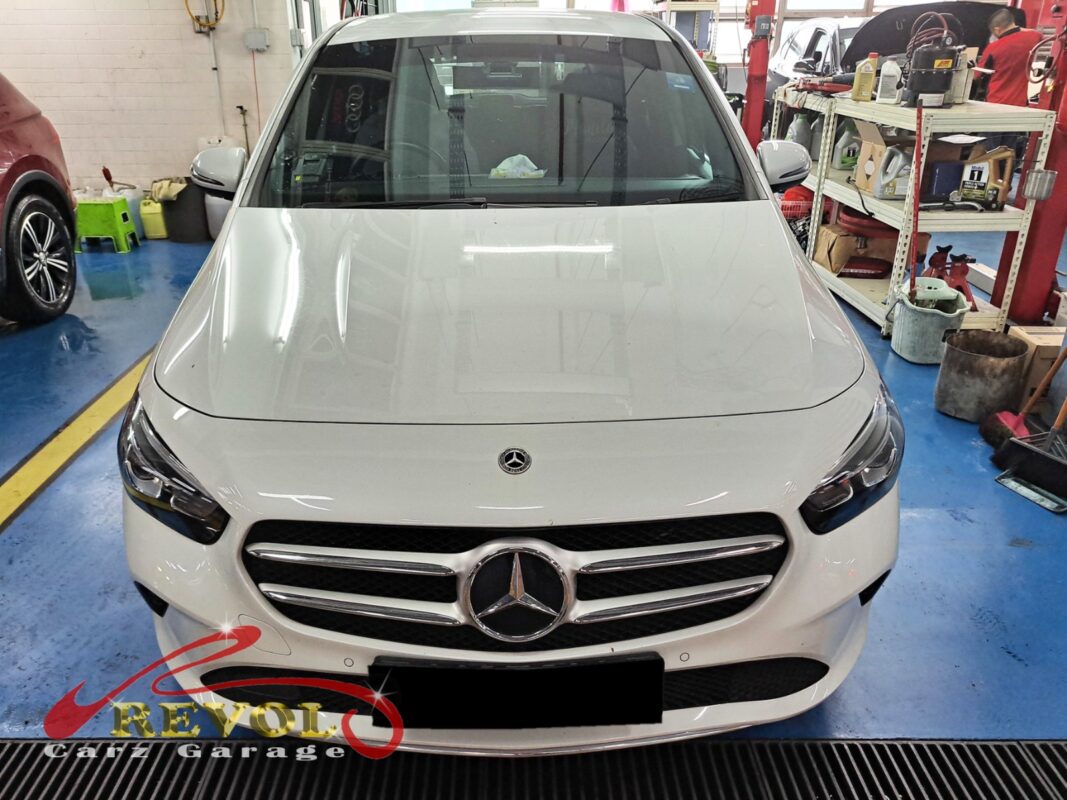
The B180 had got slow to crank in the morning, the starter labouring before the engine caught, and the owner had noticed the lights flickering and the headlights dimming at idle. He brought it in before it stranded him. Those are textbook signs of a battery near the end of its life. A slow crank means the battery can't deliver the burst of current the starter needs, and flickering, dimming lights mean it can't hold a steady voltage with the alternator feeding it. On a modern Mercedes the electrical systems are sensitive to battery health, so a tired one doesn't just risk a no-start, it can make other systems behave oddly. A battery doing all of that has had its run.
The diagnosis
A load test confirmed it: the battery's state of charge and its ability to hold voltage under load were both below spec, so it was at the end. The alternator checked out, charging properly, so it wasn't a charging fault dragging the battery down, just an old battery. That's a replacement. A worn battery only gets weaker, and on these cars you don't want it taking other electrical systems down with it, so it was getting changed.
The work
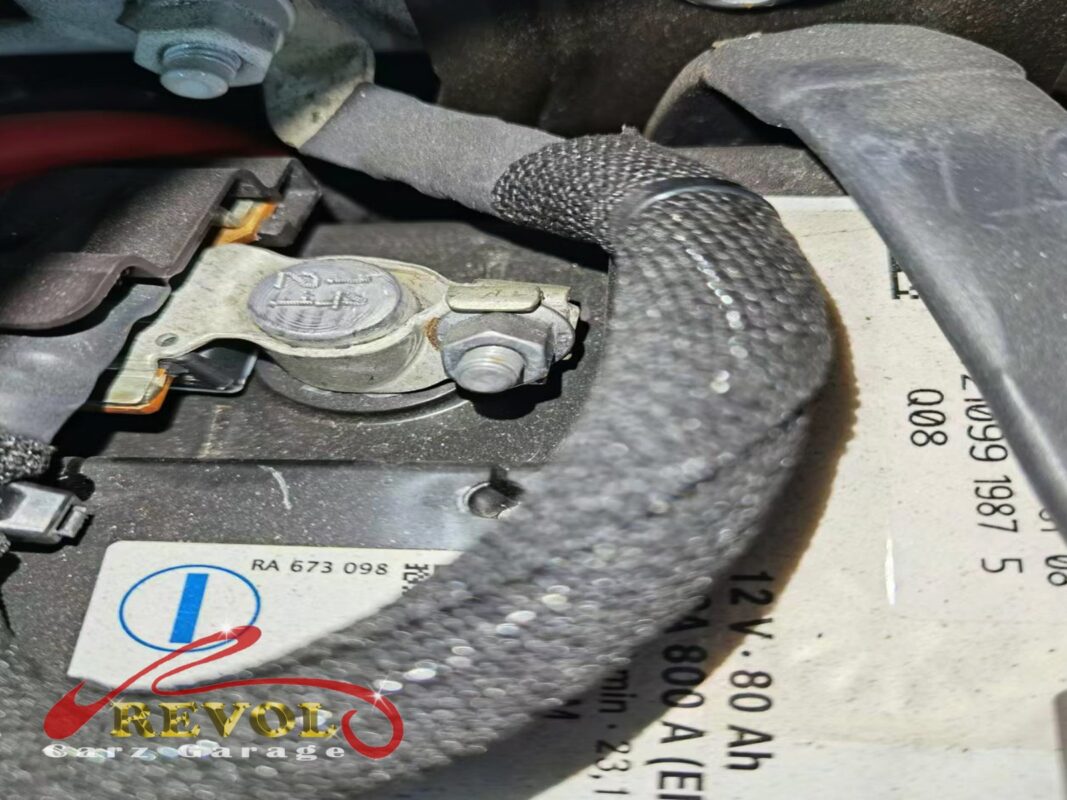
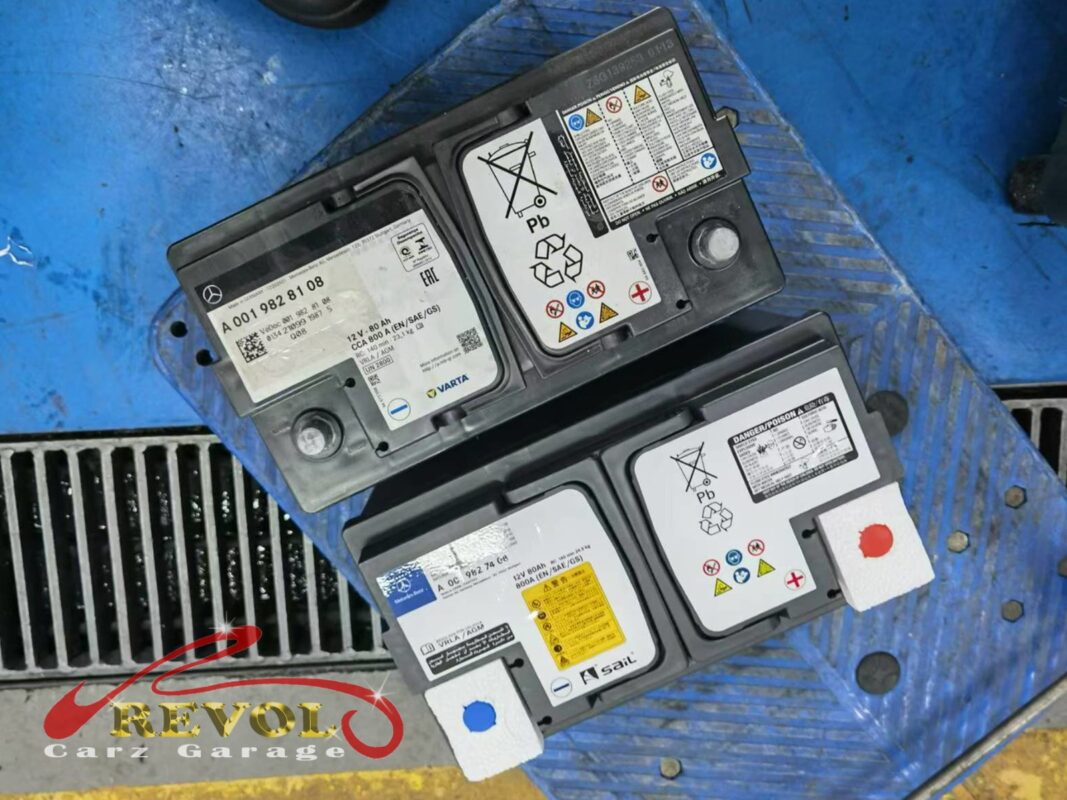
The old battery was disconnected and removed, and a new battery of the correct type and capacity fitted, terminals cleaned and tightened. On these the battery is registered to the car's electronics, so the new one was coded in so the charging system manages it correctly. A quick check confirmed the crank was back to a clean half-second and the voltage held steady at idle. A road test confirmed the lights were rock-steady and everything electrical was behaving.
The outcome
A clean, quick crank, steady lights, no flicker, and the charging system happy with the new battery. The B180 went home with the electrical side solid again. A tired battery is one of those things that's easy to live with until the morning it doesn't start, so swapping it and coding it in put the car back on a firm footing.