The brief
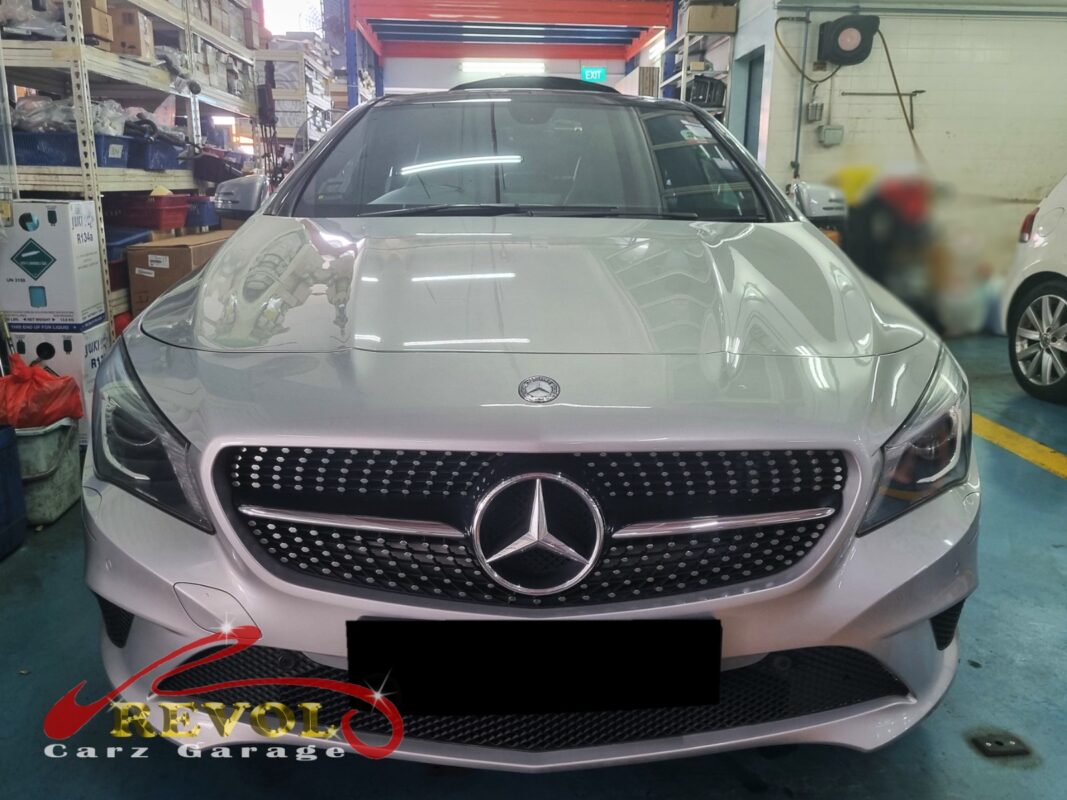
The CLA 180 had needed coolant topped up twice in the months before its next scheduled service, and the owner had noticed a sweet coolant smell after long drives. Two signs of a slow cooling-system leak.
The radiator is where the coolant offloads its heat, hot coolant running through a fine aluminium core in the airflow. Its end tanks are plastic, though, and over years of pressure and heat cycles they can crack along a moulding seam. The slow drop you keep topping up is the leak, and the sweet smell is coolant vapour, the giveaway it is coolant and not condensation.
The diagnosis
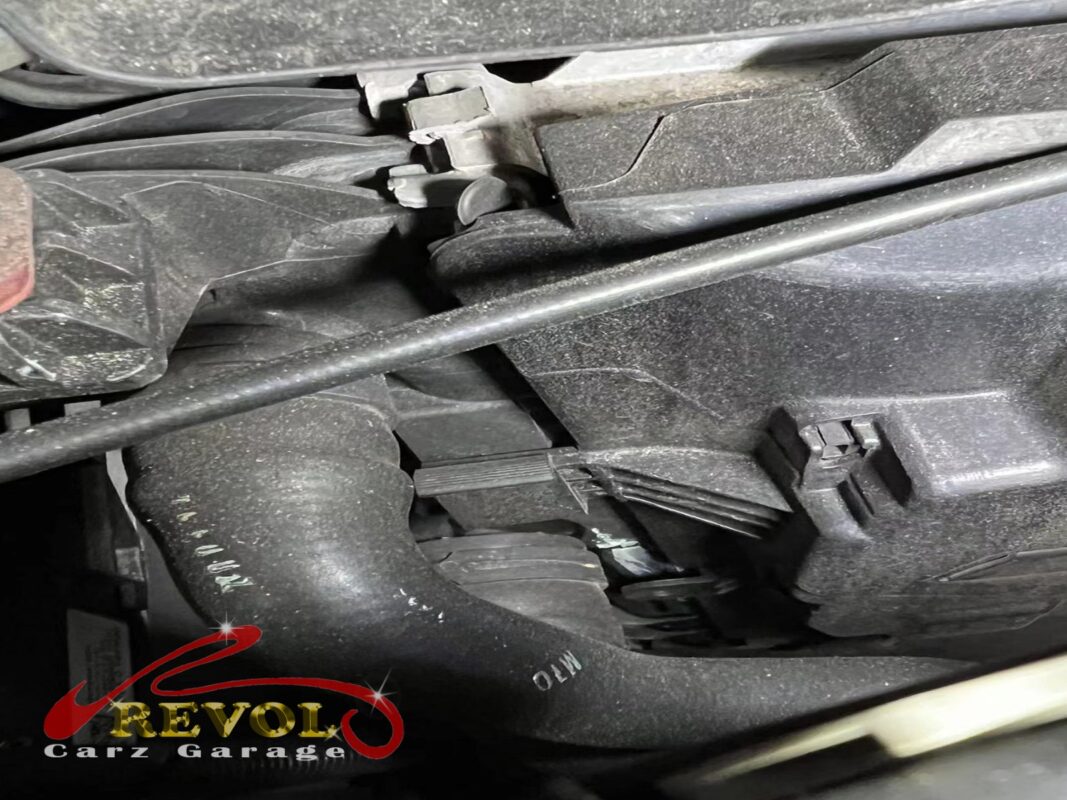
A pressure test on the cooling system found the source: a hairline crack at the seam between the plastic side tank and the radiator core, which is the typical ageing failure for this part. The hoses and the rest of the system held.
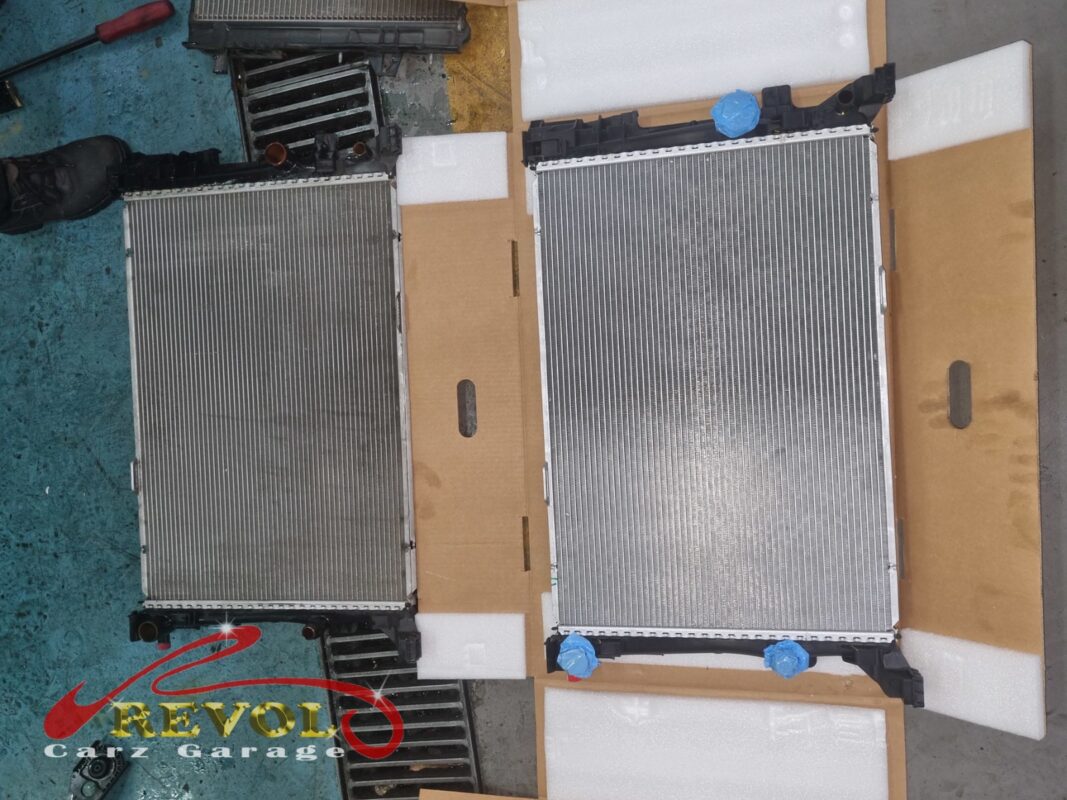
There is no reliably patching a cracked plastic side tank. The right fix was a new radiator, with a full flush of the cooling circuit while it was open so the new radiator starts clean.
The work
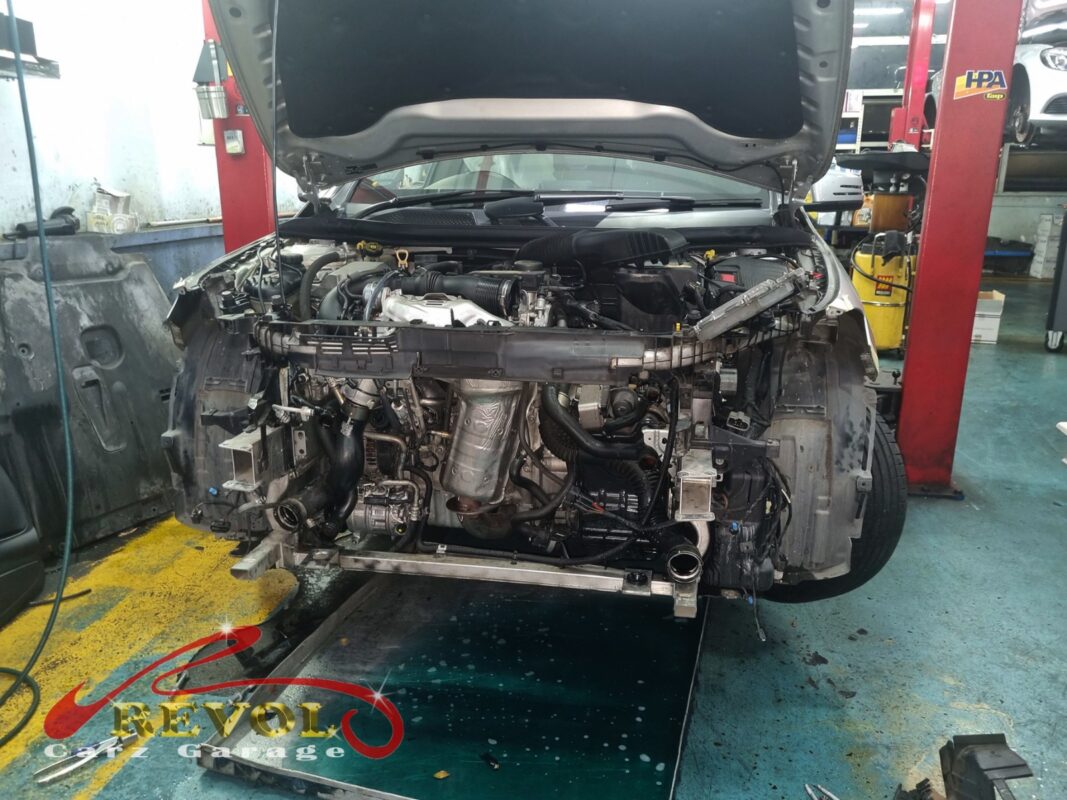
System pressure was released, the coolant drained, and the front trim taken off for radiator access. The failed radiator came out, a new Mercedes-spec radiator went in with fresh hose clamps, the cooling circuit was flushed clean, and the system refilled with the correct coolant mix and run through its bleed cycle on the scan tool.
Then pressure was held on the system to confirm it was sealed before the car was road-tested.
The outcome
No coolant smell after a long drive, the expansion tank holding level, and the temperature gauge steady.
The CLA 180 went home with the cooling system sealed. For the owner that is the end of the regular top-up and the sweet smell, and replacing the radiator before it failed outright meant no overheating event, the difference between a planned cooling-system job and a much bigger engine repair.