The brief
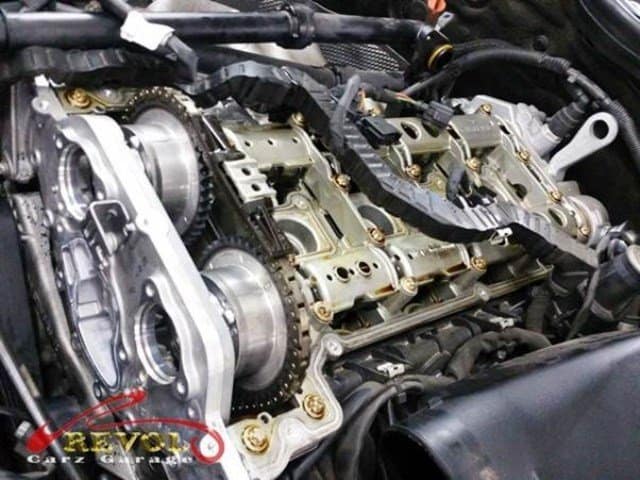
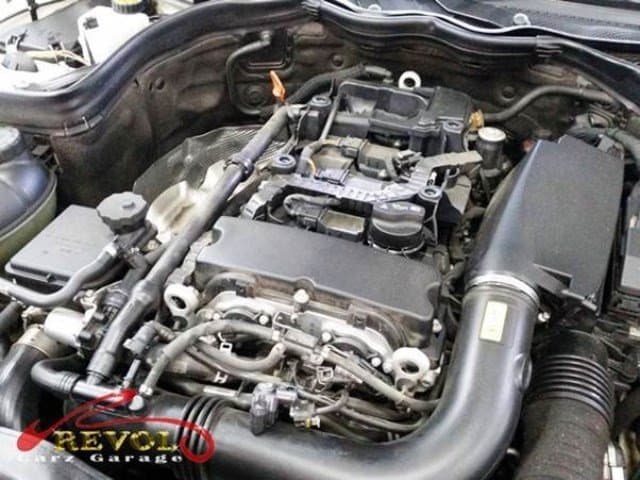
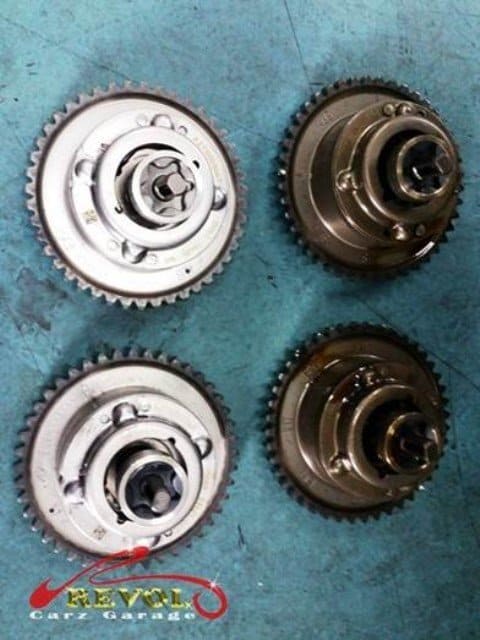
This Mercedes came in slow to start, taking longer to fire up than it should, and a delay in starting like that often points to the engine's timing being slightly out. He brought it in for us to track down. The timing keeps the camshafts and the crankshaft in step, so the valves open and close at exactly the right moment relative to the pistons, and it's the timing chain running over a set of sprockets that holds that relationship. The sprockets have teeth that the chain rides on, and over the years those teeth wear, which lets the timing drift, so the engine doesn't catch as crisply and you get the slow start. Worn sprockets don't sharpen back up, so they get replaced and the timing set back to spec.
The diagnosis
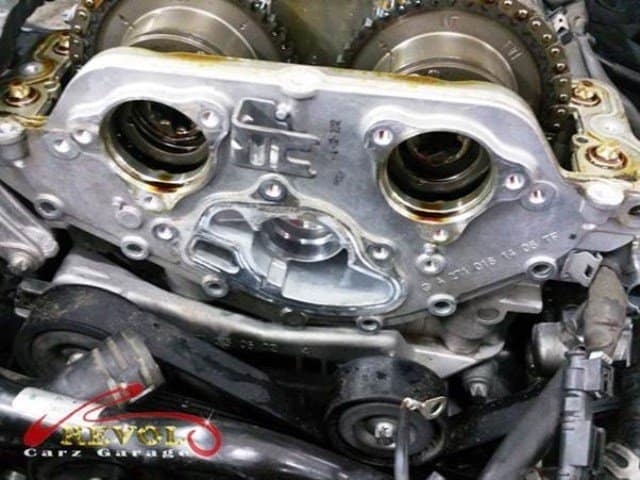
The diagnosis took some care, but it pinned the slow starting to the timing: the timing gear sprockets had worn, their teeth no longer holding the chain crisply, which lets the timing drift and the engine catch slowly. The rest of the engine was sound. That's a timing gear sprocket replacement with the timing reset, rather than chasing a starter or a battery that weren't the cause.
The work
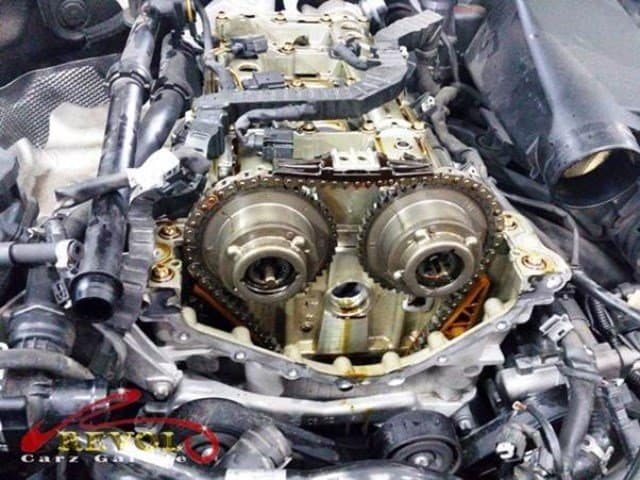
The engine was opened up to the timing area, the worn timing gear sprockets removed, and new genuine Mercedes-spec sprockets fitted, the timing chain checked and the timing set precisely to the manual specification, special tools holding everything in step at the final stages. Everything was reassembled, the gaskets and seals renewed where disturbed, and the engine run and checked. A road test confirmed the engine starting promptly, idling cleanly, running smoothly, and no warning lights.
The outcome
The engine catching promptly on the key, a clean idle, smooth running, and no warning lights. The Mercedes went home starting the way it should. Worn timing sprockets only let the timing drift further, so replacing them and setting the timing properly fixed the slow start and put the engine back in step for the long run.