The brief
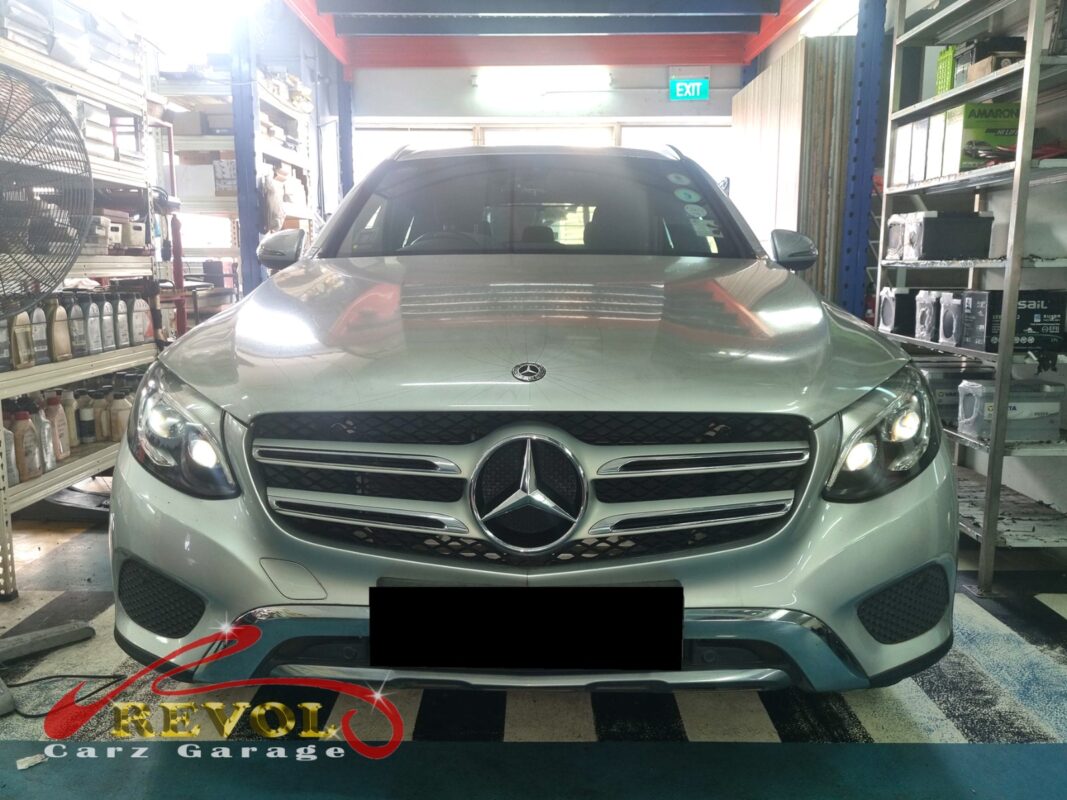
The owner brought the GLC250 in with a cluster of complaints that all point one direction: a rough, lumpy idle, a car that takes a couple of cranks to fire on a cold morning, fuel economy that had quietly slipped, and a flat spot when he put his foot down. The check-engine light was on too.
Spark plugs are the part that actually lights the fuel in each cylinder, thousands of times a minute. They wear: the electrode rounds off, the gap opens up, the spark gets weaker. Past 60,000km or so on a turbo Mercedes you start feeling it, exactly the way he was describing it. So the first place to look was the plugs.
The diagnosis
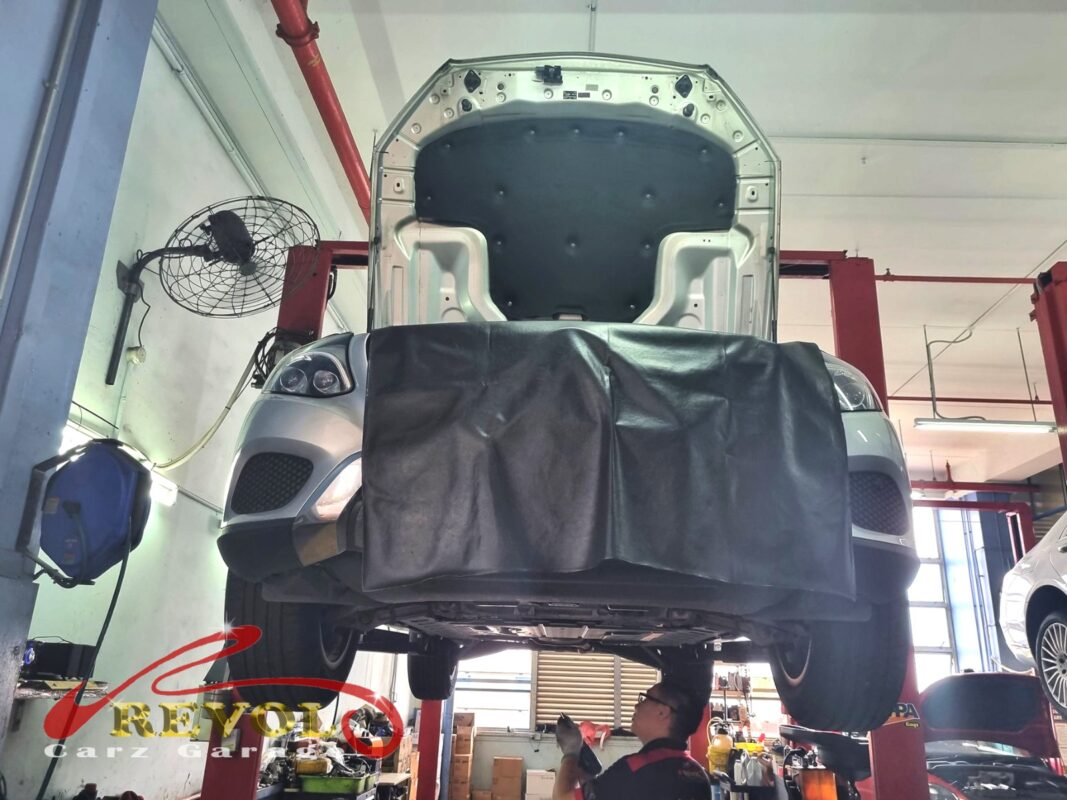
On the bench we pulled the ignition coils and swap-tested them between cylinders. The misfire pattern didn't follow the coils, so they were healthy and staying in the car.
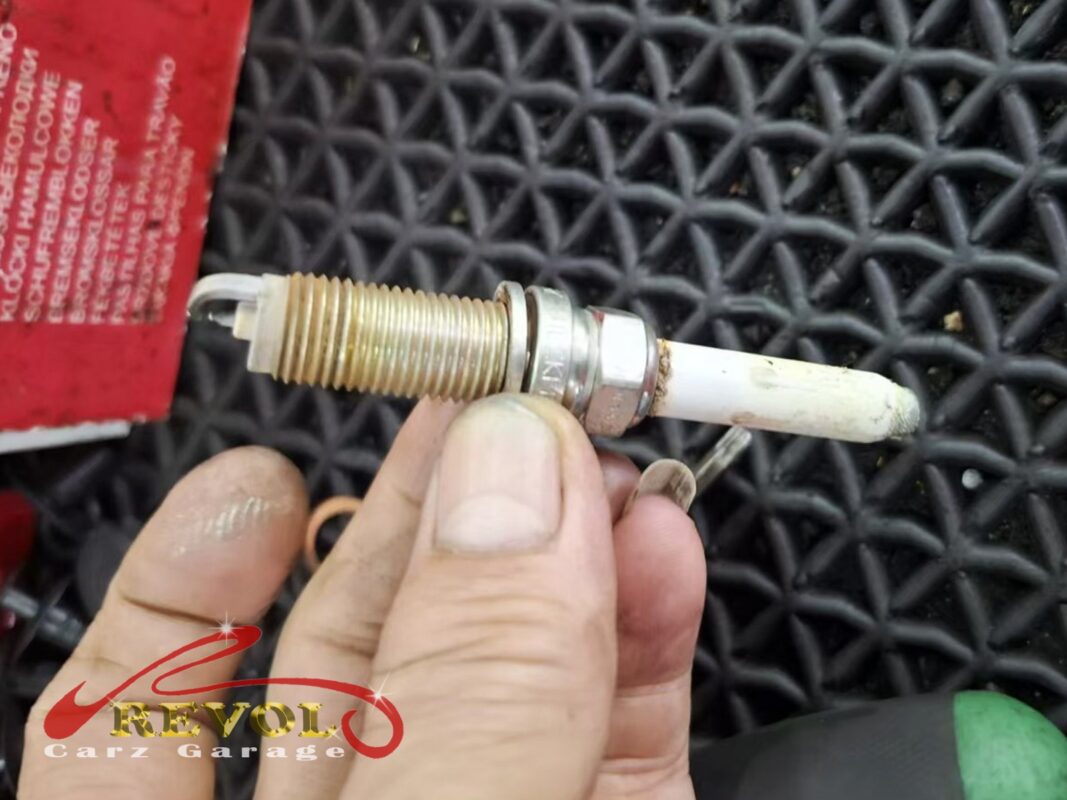
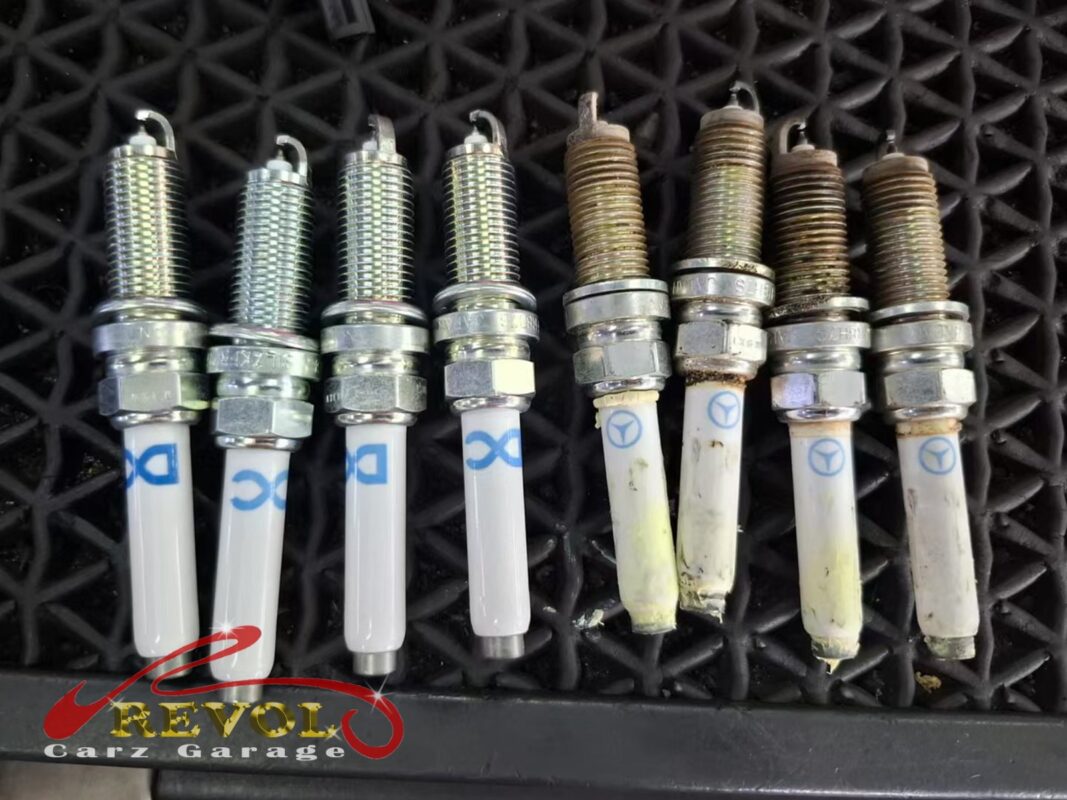
Then the plugs came out. Every one showed worn electrodes and a widened gap, and one cylinder's plug was soft-fouled, a sign it had been running a weak spark for a while. That lined up with the rough idle, the hard starts and the stored misfire code.
Verdict: a plain plug job. No coils, no injectors, nothing else, just a tired set of plugs well past their service life.
The work
Out came the old set, in went four new Mercedes-spec spark plugs, each one checked for the correct gap before it was torqued down. The coils went back on their original cylinders.
We cleared the stored fault codes and let the engine relearn its idle. A short run afterwards confirmed it pulled cleanly through the rev range with no stumble.
That's the whole job. Plugs are a wear item, not a repair, and doing them on time is a lot cheaper than what a long-term misfire does to a catalytic converter.
The outcome
The idle settled to a smooth, even tickover. It fires on the first crank now, cold or hot, the flat spot under acceleration is gone, and the check-engine light stayed off after the codes were cleared.
Fuel economy came back to where the owner expected it. He drove out with the GLC250 running the way it should, and a note to put plugs on the calendar at the next interval rather than waiting for the symptoms to come back.