The brief
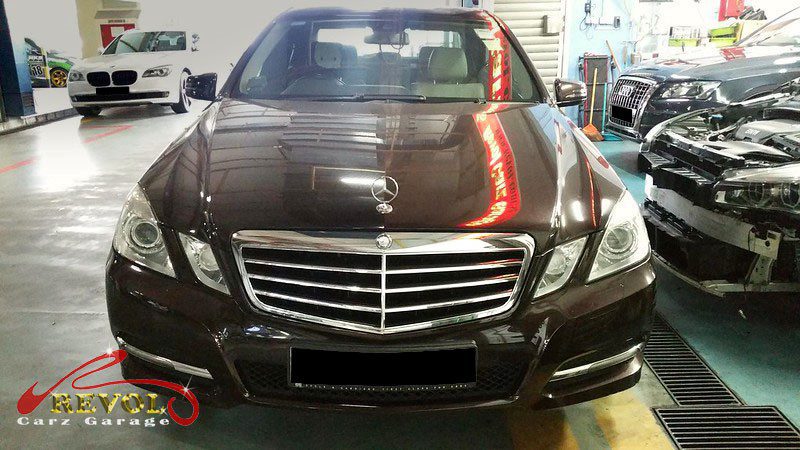
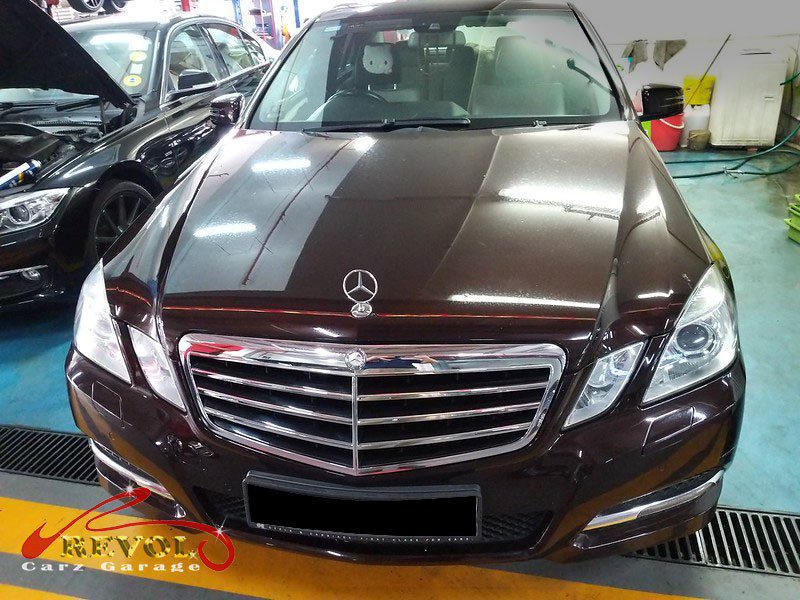
Mr Ong brought his E250 in with a heavy petrol smell inside the cabin, the kind you can't ignore. A fuel smell is a safety issue, not a comfort one, so it gets dealt with straight away. The fuel pump sits inside the fuel tank, in a module that also carries the level sender and seals the top of the tank where the lines connect. Over the years the seals on that module harden and the pump's own connections can weep, so fuel and fuel vapour escape, and on a saloon the tank sits right under the rear seat, so the smell comes straight up into the cabin. A leaking fuel pump module doesn't reseal, so the assembly gets replaced and the seals renewed.
The diagnosis
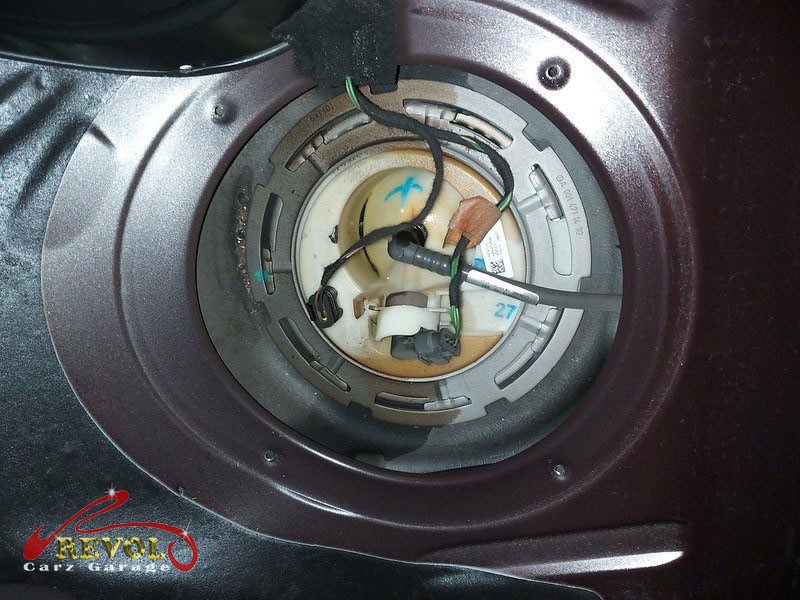
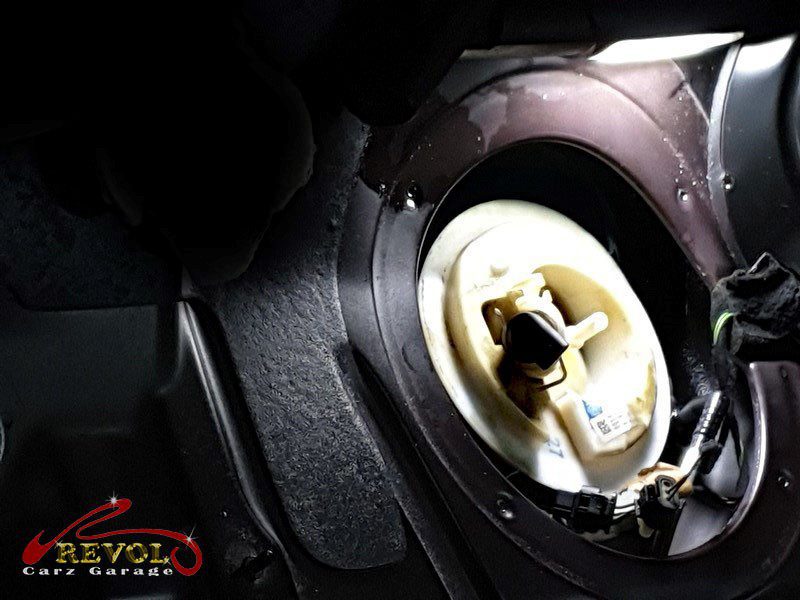
The check traced the petrol smell to the fuel pump assembly in the tank, the module seals hardened and weeping fuel and vapour, which is exactly why the cabin smelled of petrol. The fuel lines, the tank itself and the rest of the fuel system were sound otherwise. That's a fuel pump module replacement with fresh seals, rather than trying to patch a hardened seal that would soon weep again, on something as serious as a fuel leak.
The work
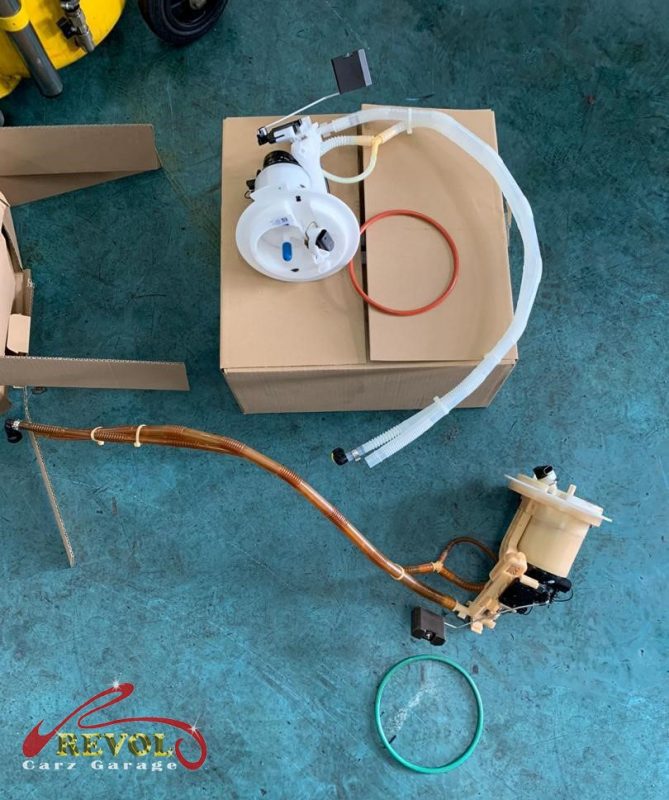
Working safely with the fuel system depressurised, the access cover came up, the tank's pump module was disconnected and lifted out, and a new genuine Mercedes-spec fuel pump assembly fitted with a fresh tank seal and the connections checked tight. The fuel filter was renewed while it was in there, the system pressurised again and checked for leaks, and the area aired out. A road test confirmed no petrol smell in the cabin, the engine starting and running cleanly, and the fuel system holding pressure.
The outcome
No petrol smell in the cabin, no fuel weeping at the tank, the engine starting cleanly, and the fuel system holding pressure. The E250 went home safe and smell-free. A fuel leak is the sort of fault you fix once and properly, so replacing the whole pump module and the seals took care of it for good.