The brief
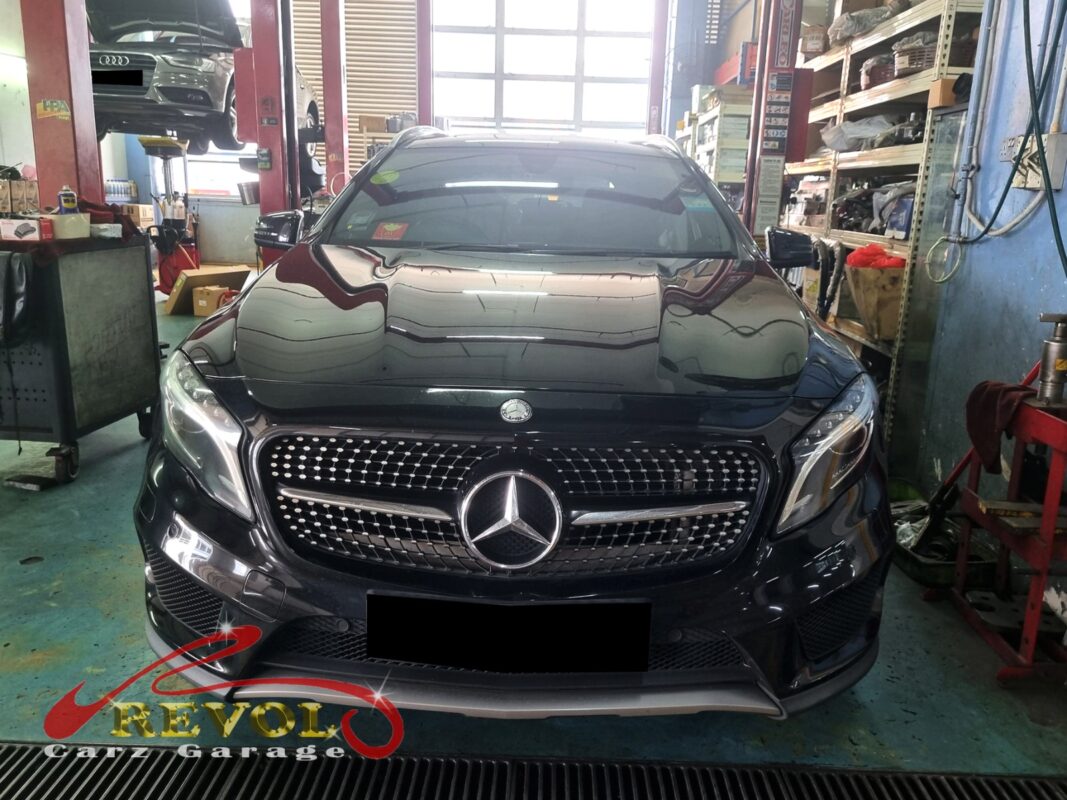
The owner had been hearing a ticking noise from the top of the GLA200's engine that got busier as the revs rose, plus misfires that came and went, and a check-engine light was on. He brought it in for a proper top-end inspection rather than guessing at it.
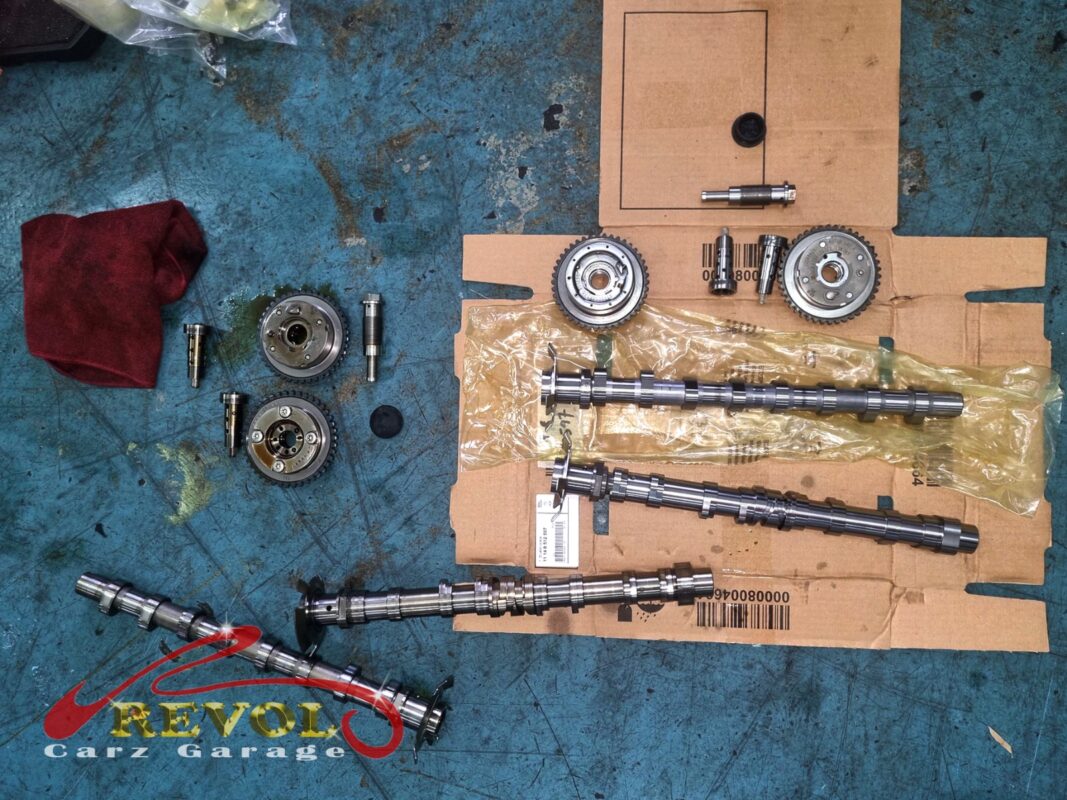
The camshaft is the shaft that opens and closes the valves, its lobes pushing on the rockers. When a cam lobe or a bearing surface wears, the valve it controls doesn't open the way it should, which can cause a misfire on that cylinder, and the wear itself can tick. A ticking top end with misfires that don't follow the usual ignition suspects is a sign to take the cam cover off and look.
The diagnosis
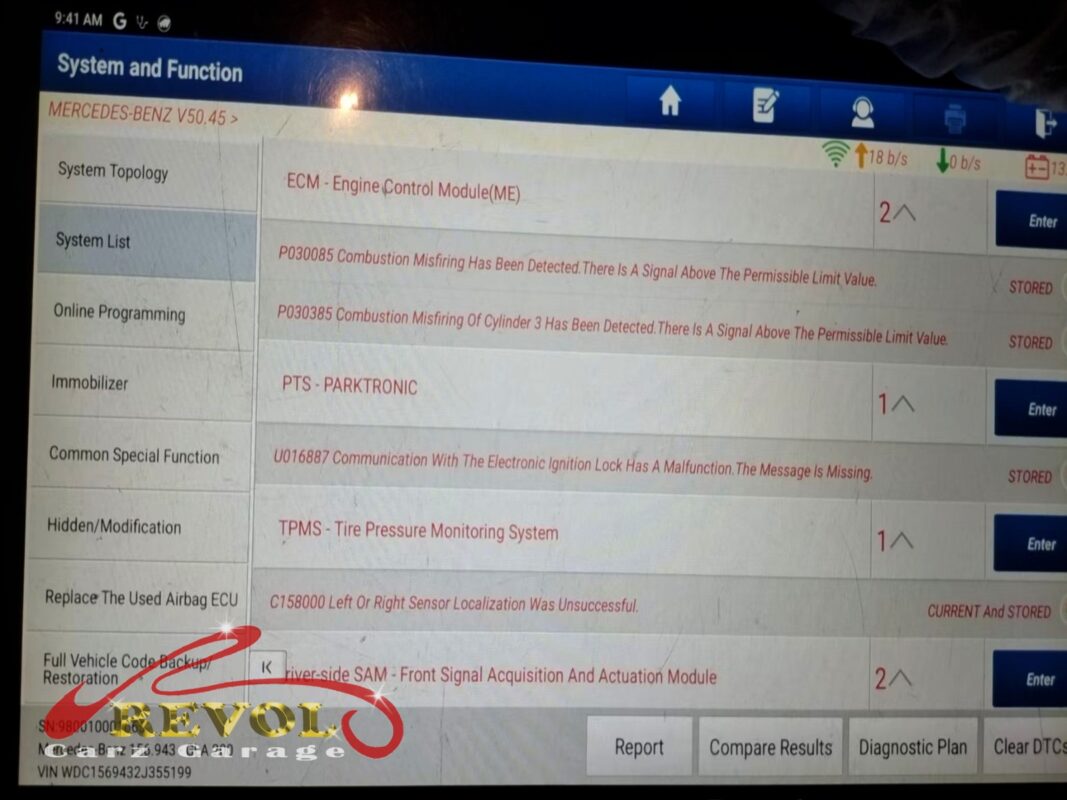
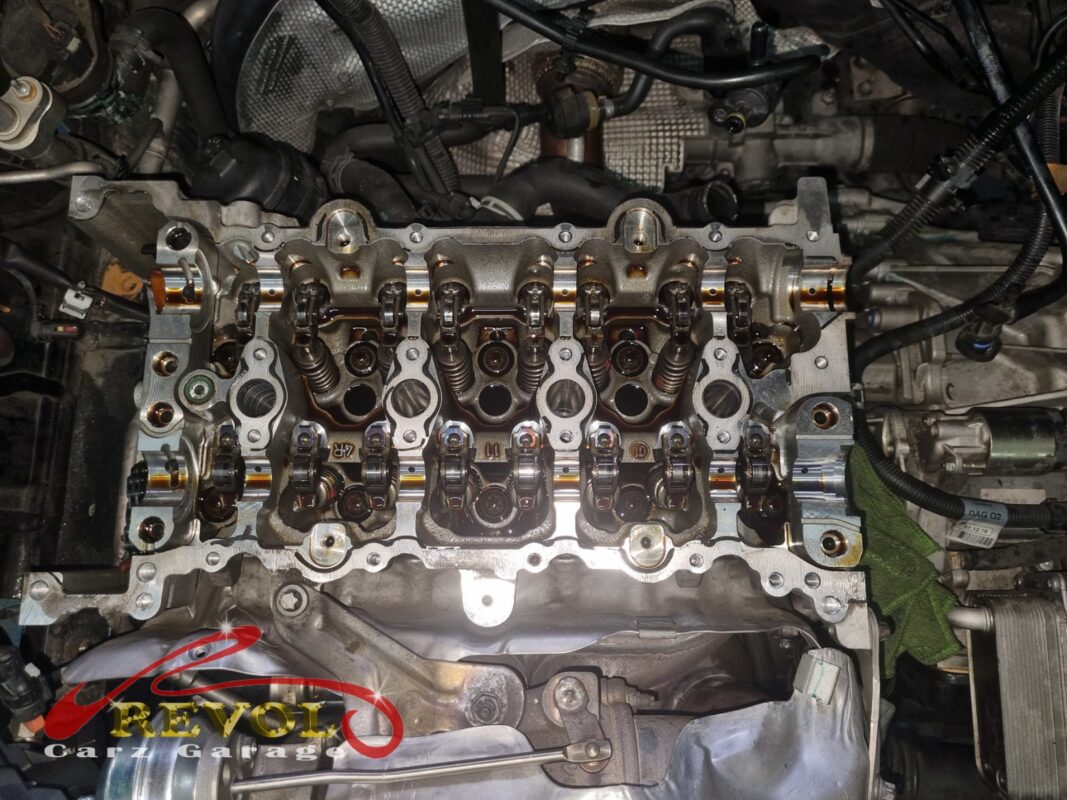
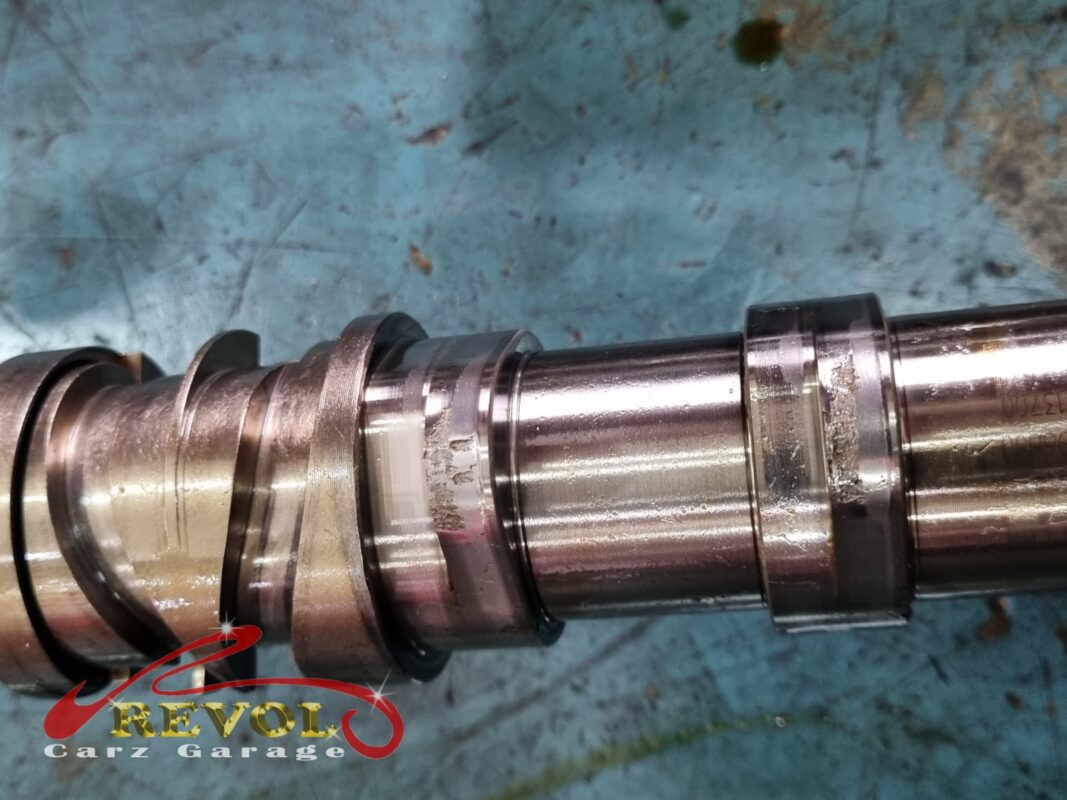
The scan logged misfires, including on cylinder 3. With the cam cover off, the cause was visible: the intake camshaft showed clear wear on its surface, and one of the rockers had picked up scoring. Compression on the cylinders was within spec, so there was no valve damage underneath, this was a worn cam, not a bent valve.
With the head open and the cam out, the right scope was a fresh intake camshaft with new rockers and followers, and the exhaust cam and the cam adjusters done at the same time since they're the same age and the labour to get back in there is the expensive part.
The work
The timing was locked off, the worn camshaft removed, and a new Mercedes-spec cam went in with fresh rockers and followers, the exhaust cam and the cam adjusters replaced with it. The timing was reset to spec on the locking tools, the cam caps retorqued in the correct pattern, and the cam cover sealed back up.
Then a long idle and a drive cycle to bed in the new components and let the engine relearn, with the codes cleared.
A listen and a road test confirmed the top end was quiet and the misfires gone.
The outcome
The top end is quiet, no ticking, no misfires, and the check-engine light is off and stayed off through a drive cycle.
The GLA200 went home with the valvetrain running clean. A worn camshaft caught while the misfires are still intermittent is the good version of this story, dealt with as a planned job before a dropped valve turns it into an engine rebuild conversation. Doing the cams, rockers and adjusters together while the head was open means the top end is properly fresh, not patched.