The brief
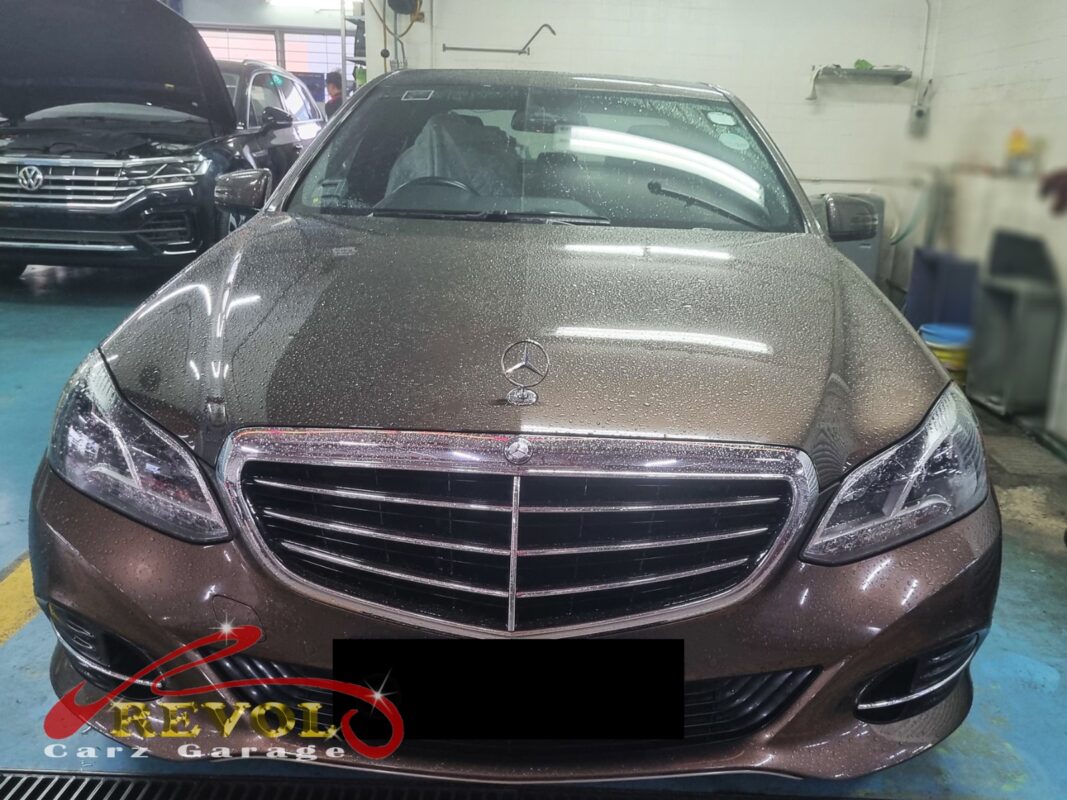
The owner had been wrestling with the E200 for weeks. Some days it would crank for too long before catching, some days it would stall at idle, and there was a noticeable hesitation in the first metre off the line. He brought it in before it left him stranded.
The fuel pump lives inside the tank and pushes petrol up to the engine at a set pressure. When it weakens, it can't build pressure quickly on a cold start, which is the long crank, and it can't hold pressure steady, which is the stalling and the hesitation when you ask for power. A pump that's giving you all three is a pump on its way out.
The diagnosis
The fuel pressure tested low, and it dropped fast when the pump was cycled, instead of holding. Listening at the tank, the pump itself sounded weak. The fuel filter checked out clean and the relay was good, so it wasn't a supply or an electrical problem feeding it, it was the pump.
That's a replacement, not something you nurse along. A weak fuel pump only gets weaker, and the next stage is the no-start on the driveway.
The work
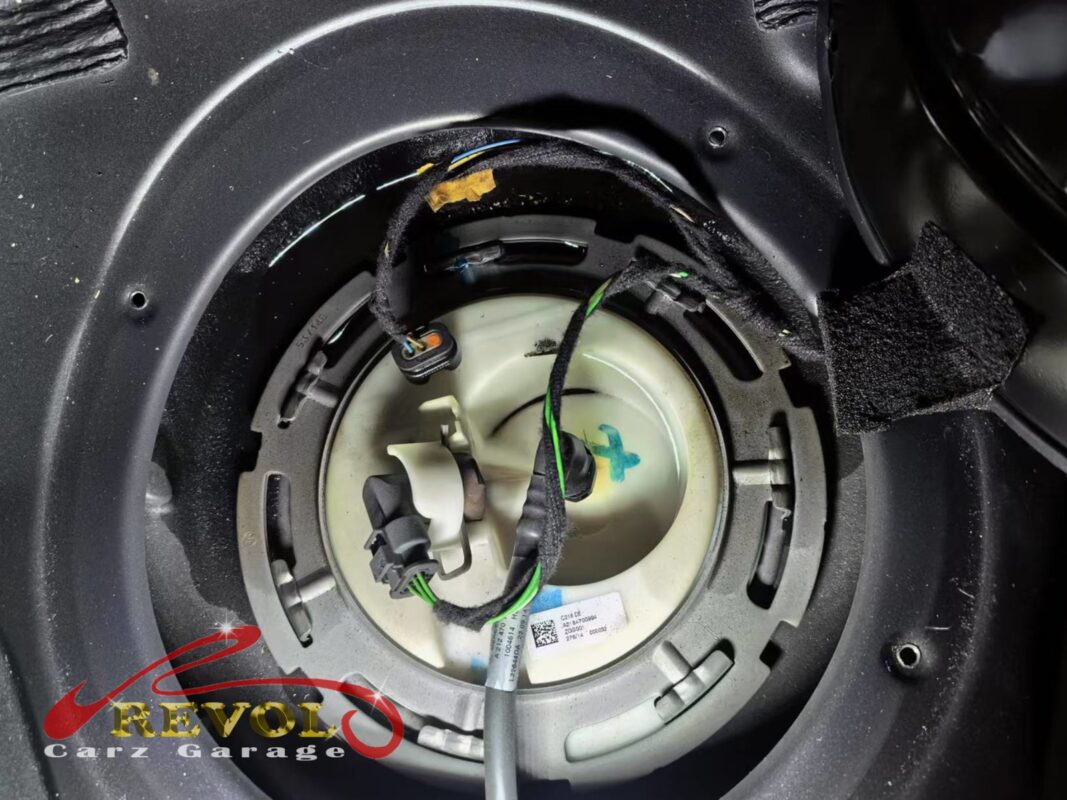
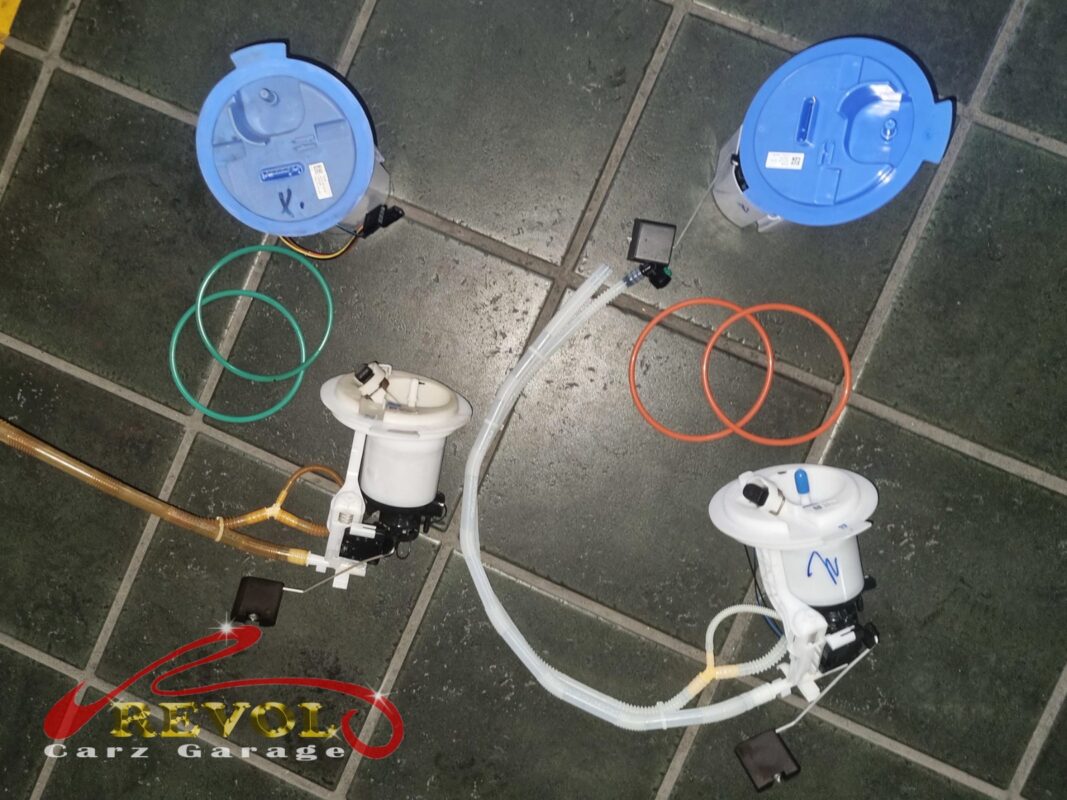
The rear seat came up to reach the in-tank assembly, the old pump was lifted out, and a new Mercedes-spec pump went in with a fresh seal. On this E-class the tank is a saddle design with a transfer unit on the other side, so that was refreshed too while it was open.
Then the system was primed, the engine started, and the fuel pressure read on the gauge across idle and load to confirm it was holding spec, before the trim went back.
A road test confirmed it started cleanly, idled steady, and pulled away without hesitation.
The outcome
Crank-to-start is back to a clean half-second, no more stalls at idle, and no hesitation off the line.
The E200 went home running the way it should. A failing fuel pump is the kind of thing that gets steadily worse and then strands you with no warning, so acting on the long cranks and the stalls meant a planned fix rather than a tow off the side of the road.