The brief
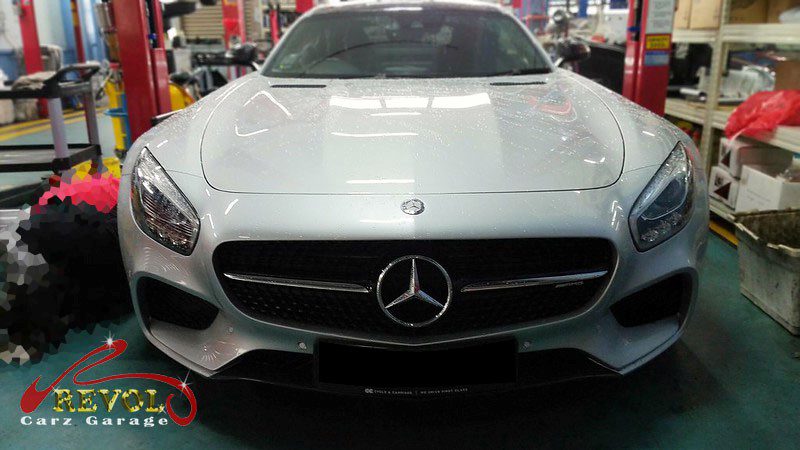
Mr Li's AMG GT was running low on coolant, even though every time he checked it cold the level looked full. He brought it in. A simple cap can cause exactly this kind of disruption to the cooling system. The expansion tank cap isn't just a lid, it's a pressure cap with a calibrated valve that holds the cooling system at the right pressure, which raises the coolant's boiling point and lets the system breathe through an overflow when the pressure climbs too high. When the cap's seal or valve fails, the system can't hold pressure, so under heat the coolant vents out the overflow more than it should, and the level creeps down over the heat cycles even though it looks fine cold. A cap that's lost its seal doesn't recover, so it needs replacing, and the system pressure tested to confirm everything else is sound.
The diagnosis
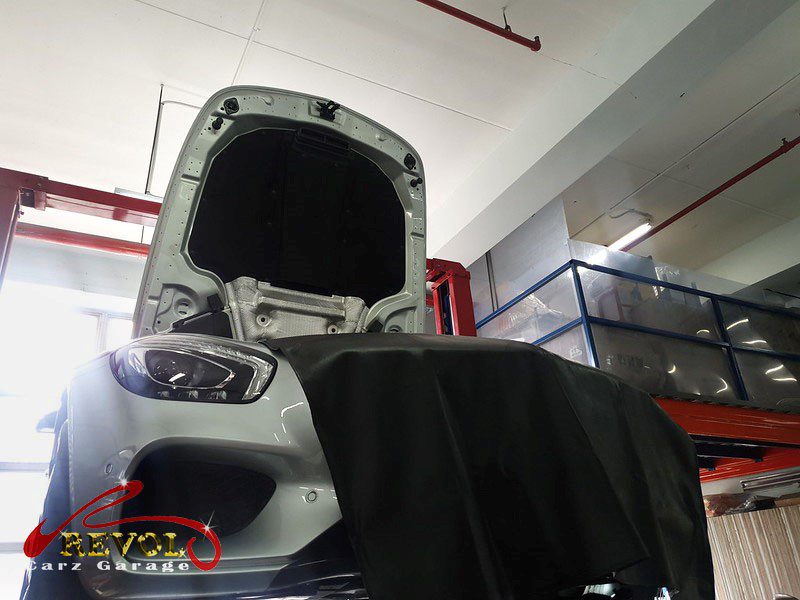
A pressure test on the cooling system pinpointed it, the expansion tank cap wasn't holding the system pressure, venting too early, which is why coolant was creeping out under heat while reading full cold. The radiator, the hoses, the water pump and the tank itself held fine, it was just the cap. That's a cap replacement, the cheapest part in the system, with the system pressure tested to confirm it now holds.
The work
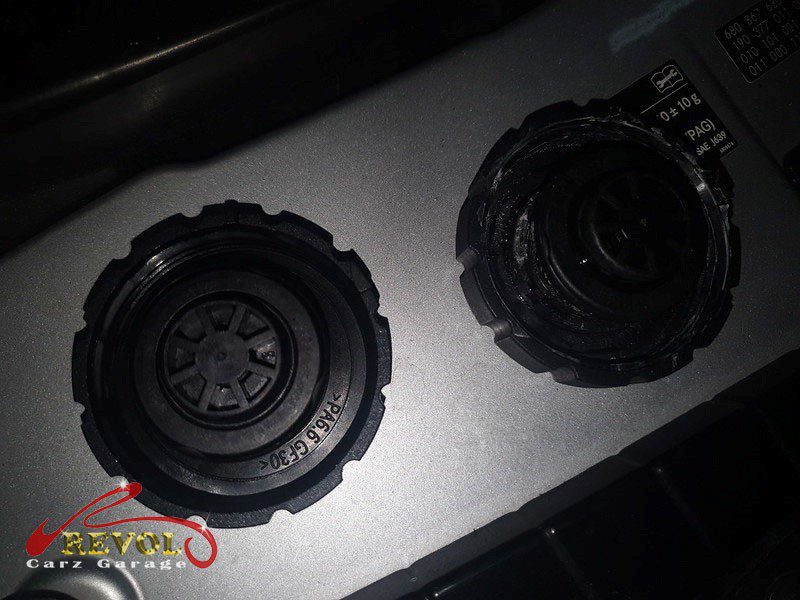
The old expansion tank pressure cap was removed and a new genuine Mercedes-spec cap fitted, the tank neck checked clean. The cooling system was topped to level, the air bled out, and pressure tested to confirm it now held the right pressure with no vent and no weep. A road test confirmed the gauge sat steady and the level stayed put.
The outcome
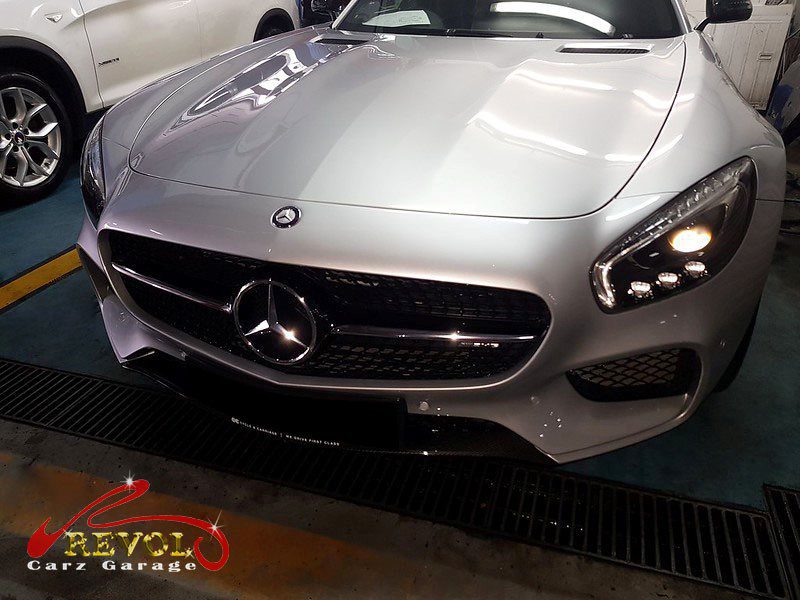
No more coolant loss, the level holding between checks, the gauge steady, and the system holding pressure as it should. The AMG GT went home with the leak sorted at the cheapest end of the job. A failing pressure cap quietly vents coolant under heat, and left it can lead to overheating, so changing the cap and confirming the system put it right for the price of a small part.