The brief
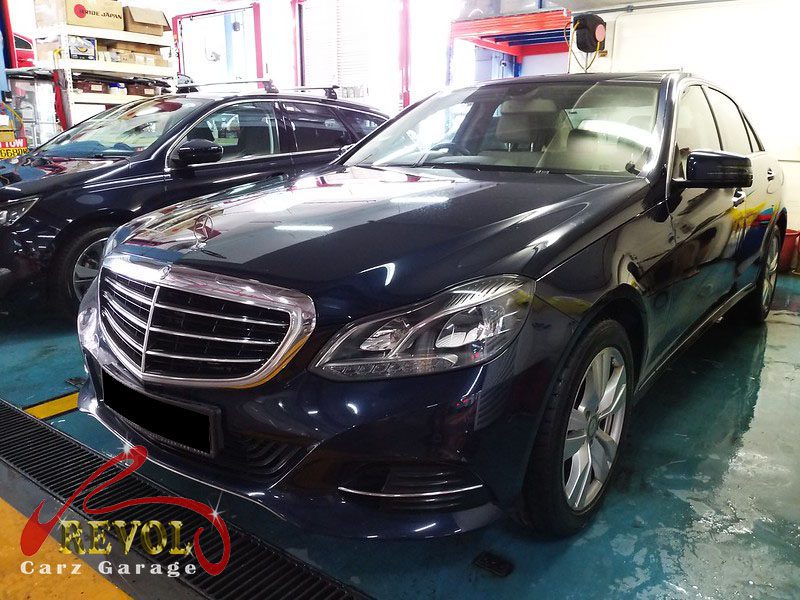
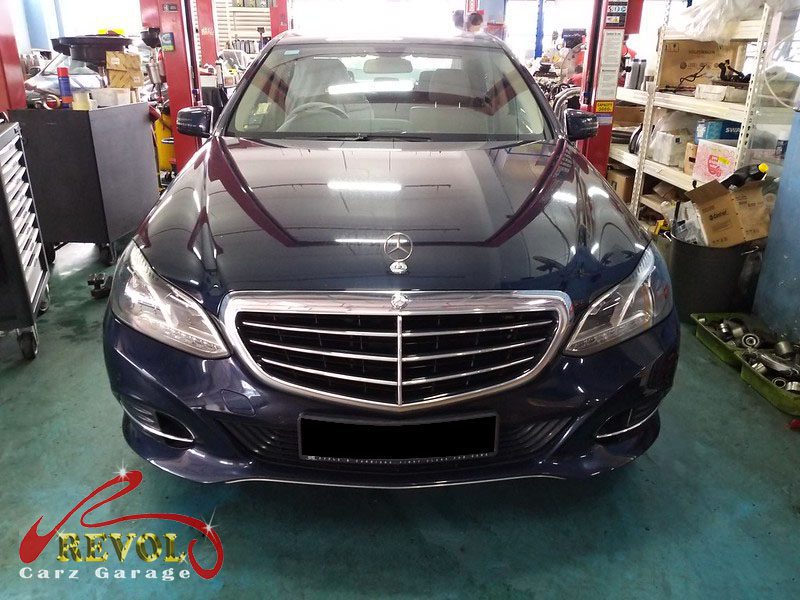
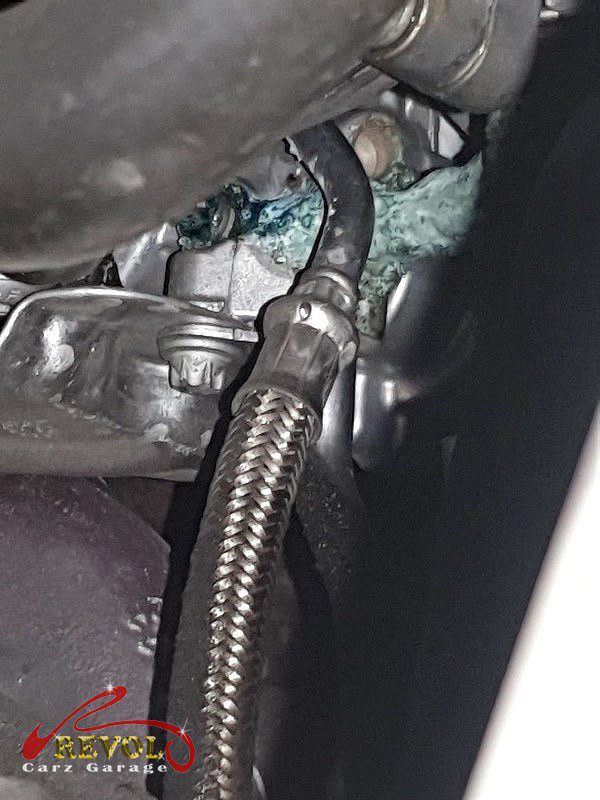
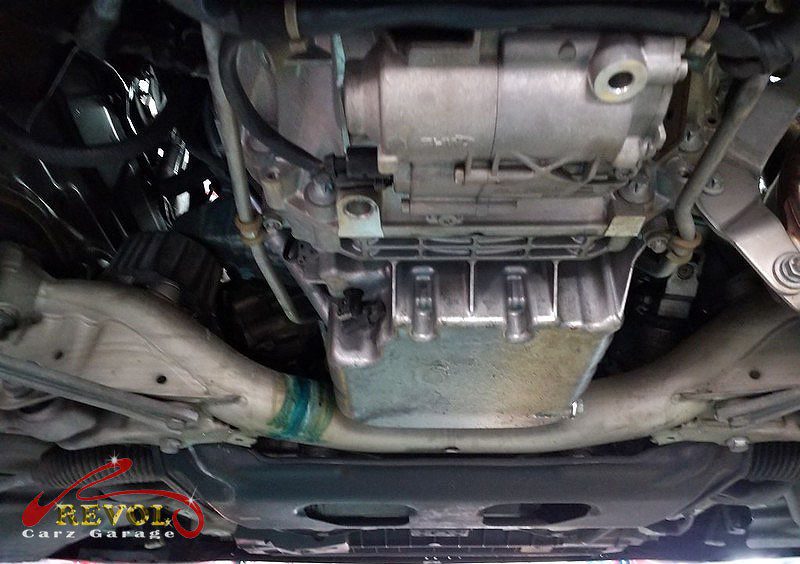
The E250 needed coolant topped up more than once before the next service was due, the level dropping with no obvious puddle. If you have to top up coolant that often, something's leaking. He brought it in. On this engine the thermostat lives inside a plastic housing module bolted to the engine, and that module is a known weak point: the plastic heat-cycles under pressure for years until it gets brittle and cracks, usually at a seam or a port, and it weeps coolant that the engine heat dries off so you barely see it. The thermostat inside can also stick with age. Either way, the housing isn't a part you patch, the whole module comes as one assembly with the thermostat in it, so a cracked housing means a new module.
The diagnosis
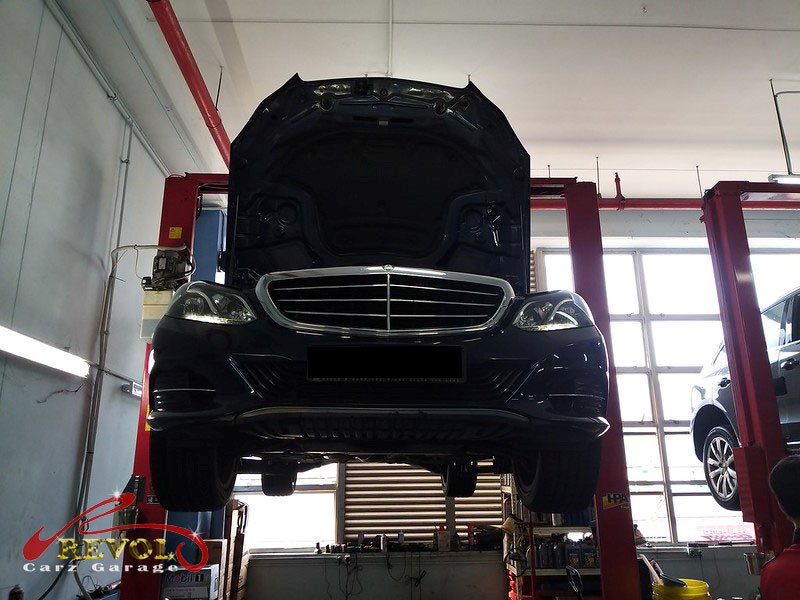
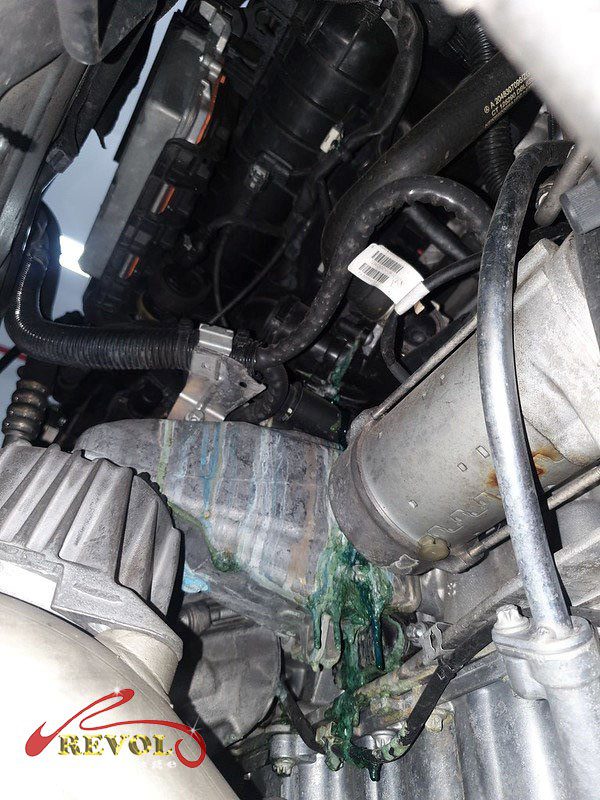
A pressure test on the cooling system pinpointed it, the plastic thermostat housing module was weeping from a hairline crack and bleeding pressure slowly, which is the disappearing coolant. The radiator, the hoses, the water pump and the rest of the system held fine. That's a module replacement, the thermostat and the housing are one unit, so the call was a complete thermostat module with a fresh seal.
The work
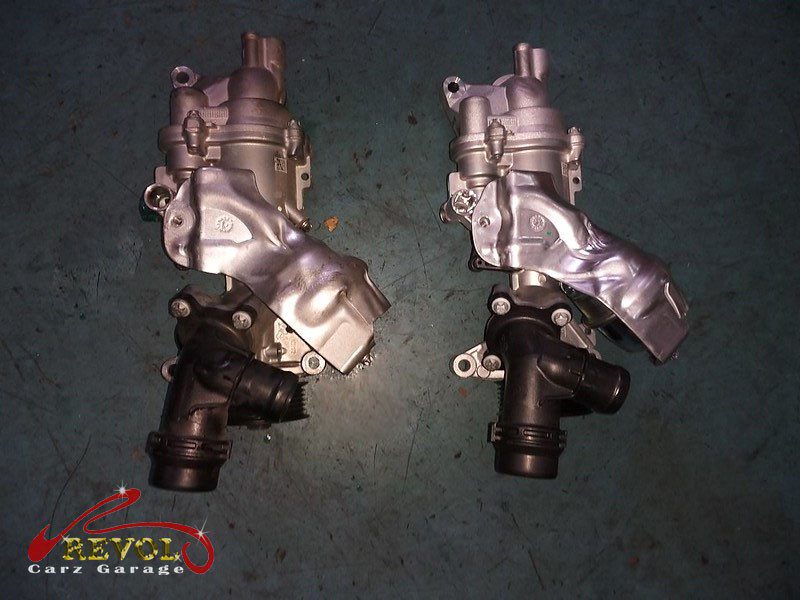
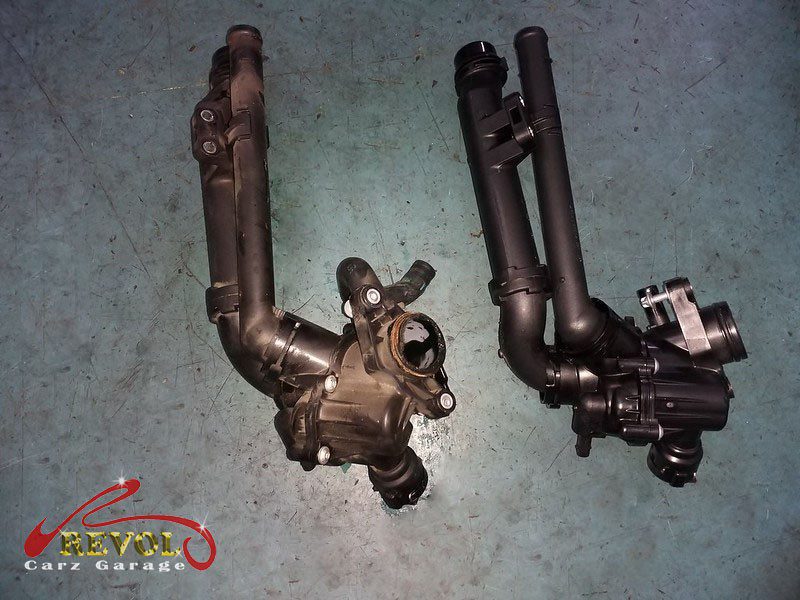
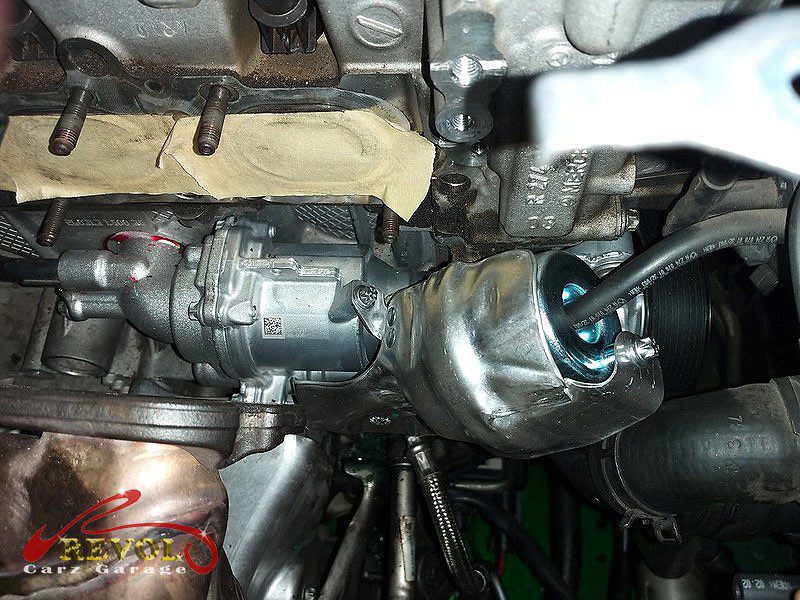
The cooling system was drained enough to get at it, the old cracked thermostat module removed, and a new genuine Mercedes-spec module fitted with a fresh seal and the connections renewed. The system was refilled with the correct Mercedes coolant, bled the proper way so no air pockets were left, and pressure tested again to confirm it held with no weep. A road test confirmed the gauge sat steady, the engine warmed up on time, and the level stayed put.
The outcome
No more coolant loss, the level holding between checks, the gauge steady, the engine warming up on time, and the system holding pressure. The E250 went home with the leak resolved. A cracked thermostat housing only splits further, and the failure at the end is a sudden coolant dump and an overheat, so changing the module kept it to a tidy, planned job.