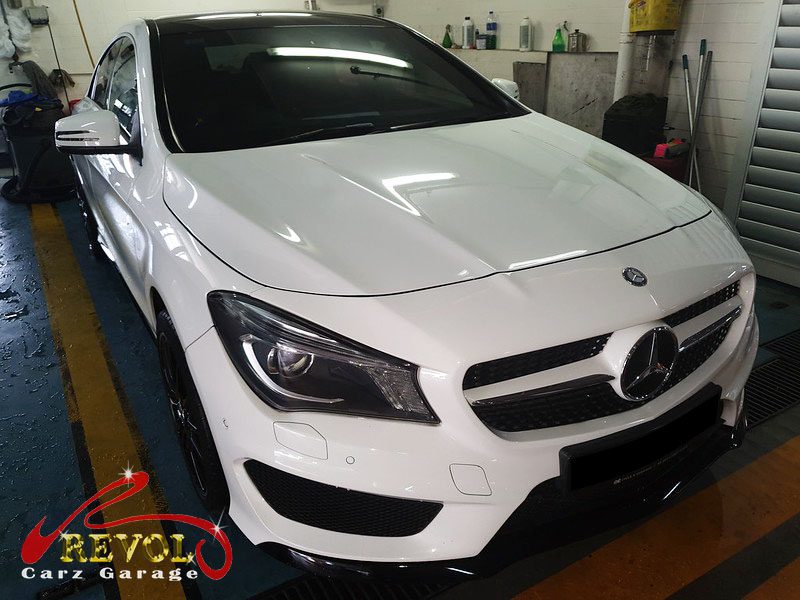
The brief
Mr Anthony's CLA 180 was down on power, lazy off boost, hesitating when he asked for it, and the check engine light was on. Power loss can come from a lot of things, but on a turbocharged engine like this the turbo diverter valve is a prime suspect. He brought it in. When you lift off the throttle the diverter valve opens to vent the boost pressure that's already built up, so the turbo doesn't stall against a closed throttle. The valve has a diaphragm or a solenoid that wears, and when it fails it leaks boost the whole time, or doesn't seal, so the engine never builds proper pressure, that's the flat, hesitant feel, and the management sees the boost it expected isn't there and lights the dash. A failed diverter valve doesn't recover, so it needs replacing.
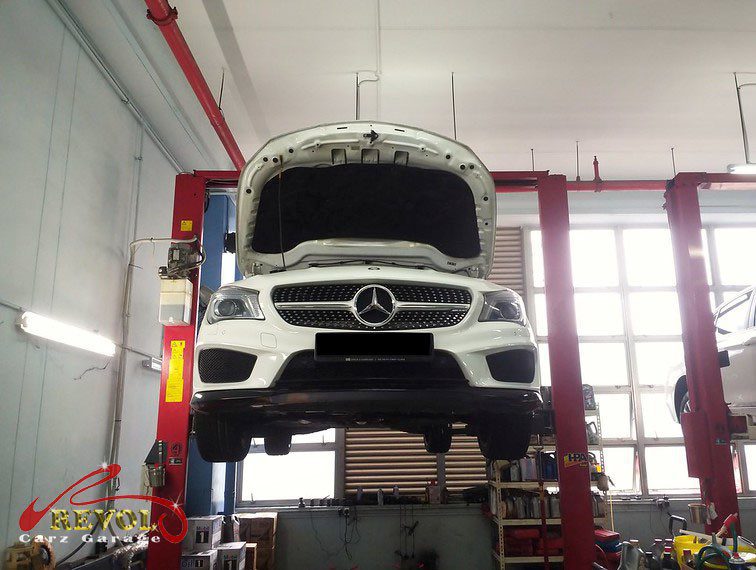
The diagnosis
Diagnostics confirmed it, underboost and boost-deviation fault codes, and a check showed the diverter valve wasn't sealing, bleeding boost pressure constantly, which is exactly the flat response. The turbo itself, the intercooler and the pipework checked out, it was the valve. That's a replacement. The valve's a sealed component, you don't rebuild it, so the call was a new genuine valve, fitted and the codes cleared.
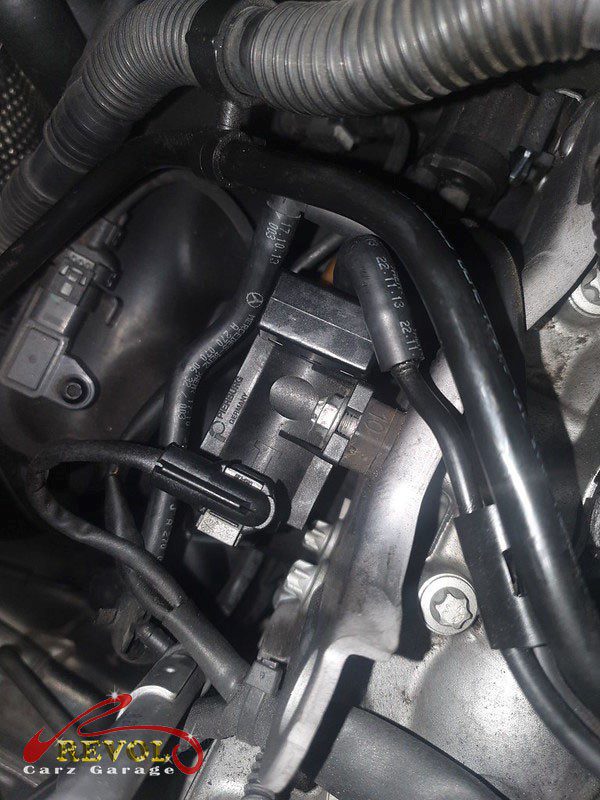
The work
The old turbo diverter valve was removed and a new genuine Mercedes-spec valve fitted with fresh seals, the boost hoses and clamps checked over while everything was apart. Then the fault codes were cleared and the engine's boost adaptations reset so it could relearn against a valve that was holding pressure. A road test confirmed strong, clean boost, no hesitation, and the light staying off.
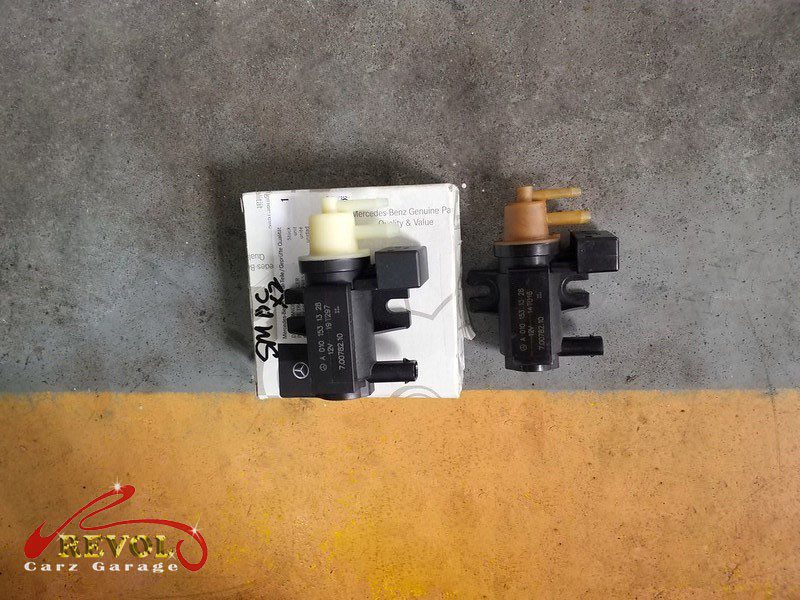
The outcome
Strong boost, clean throttle response, no hesitation, and no warning light. The CLA 180 went home with the turbo system sealed and pulling properly again. A leaking diverter valve robs the engine of its boost and keeps the management chasing pressure that isn't there, so changing the valve and letting the engine relearn put the performance back.