The brief
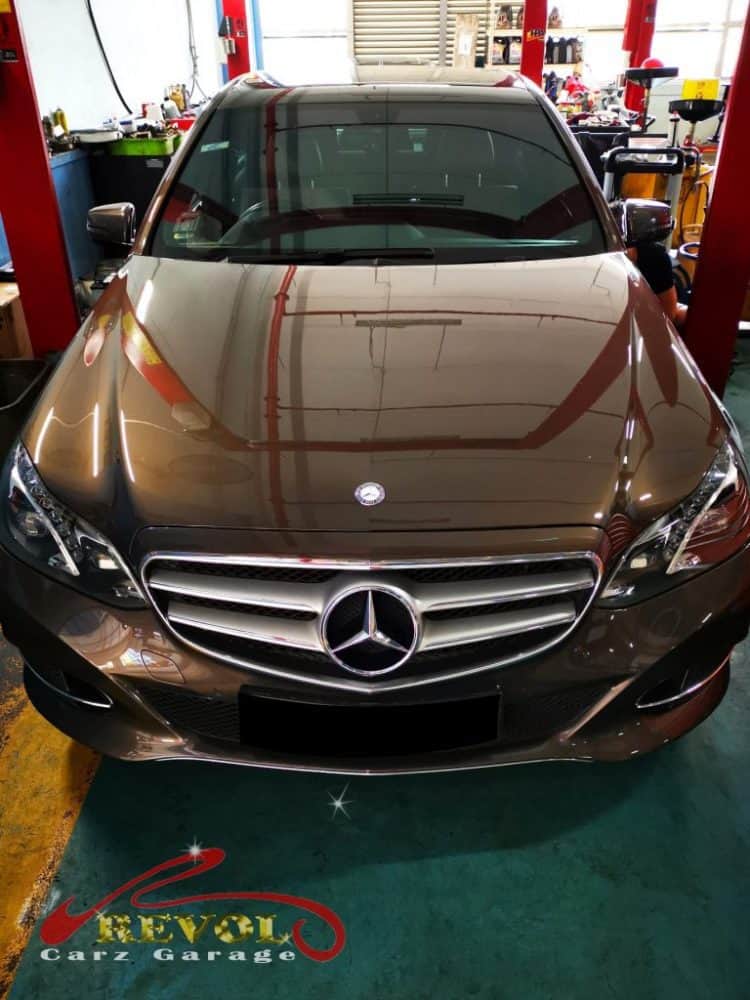
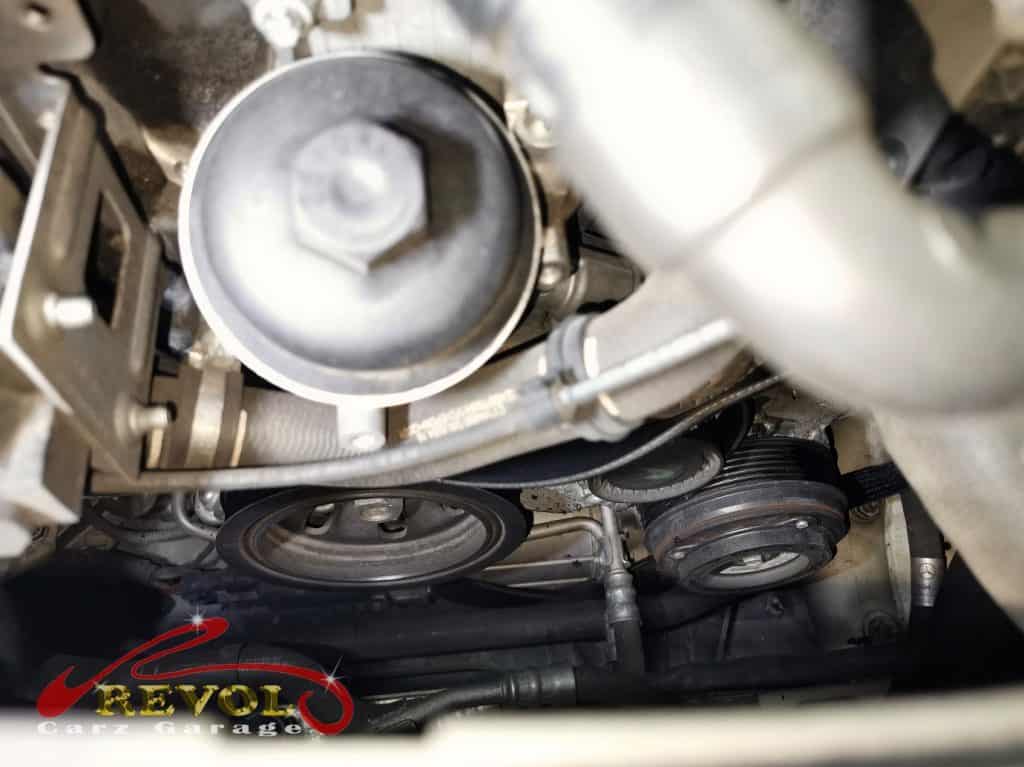
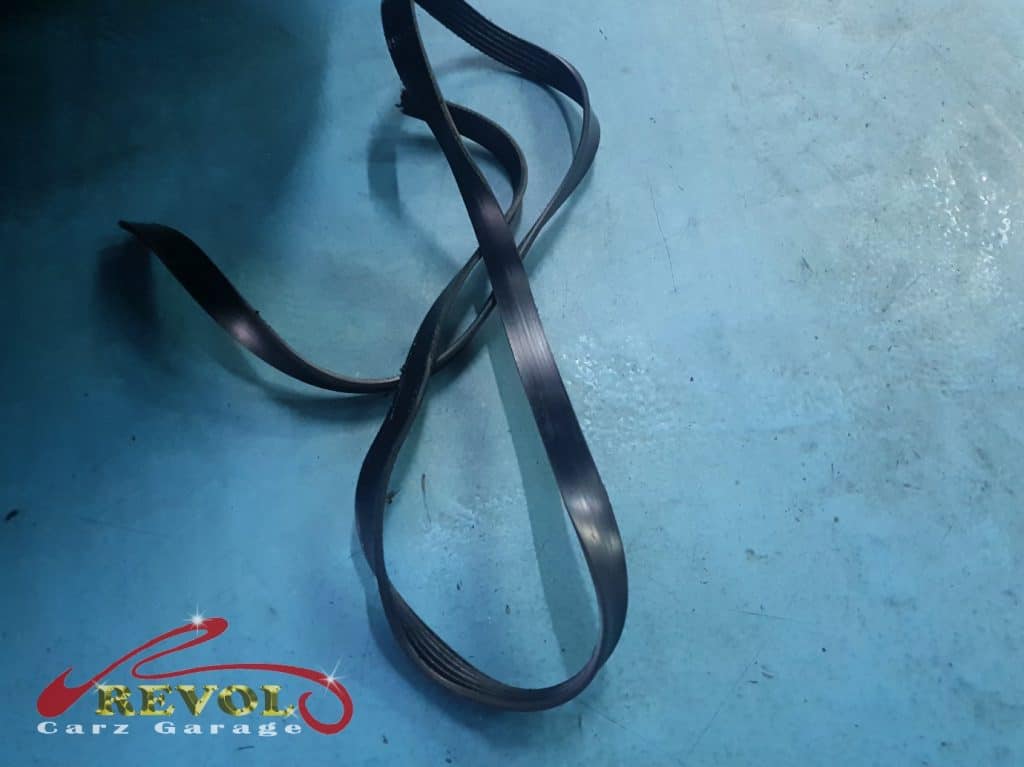
Mr Addis's E200 was overheating, so we told him not to drive it and towed it in, because running an engine hot can do damage you can't undo. The obvious suspects for overheating are the coolant pump and the thermostat, but this time it was neither. The engine's accessories, the AC compressor, the alternator and on this engine the cooling, are driven by one serpentine belt running over a set of pulleys. If a pulley seizes, the belt can't run, and it snaps. With the belt gone, everything it drove stops, and the engine overheats fast. So a snapped drive belt and a seized pulley behind it will overheat a car just as surely as a bad coolant pump, but the fix is completely different, you replace the failed pulley and compressor and fit a new belt.
The diagnosis
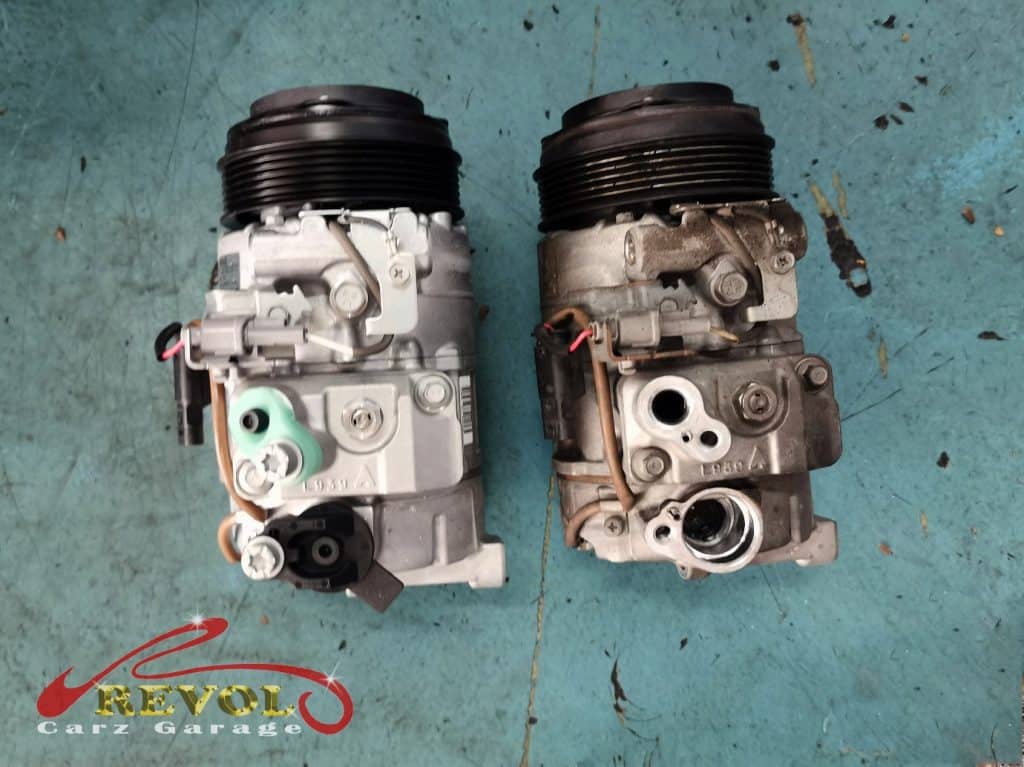
The check ruled out the usual causes, the coolant pump and thermostat were fine, and zeroed in on the real one, the AC compressor pulley had seized, which had snapped the drive belt, and with no belt the engine had overheated. The belt tensioner was worn and due alongside, and the coolant was checked since it had run hot. That's an AC compressor and pulley replacement, a new drive belt, and the worn belt tensioner renewed, rather than a coolant pump or thermostat that weren't the problem.
The work
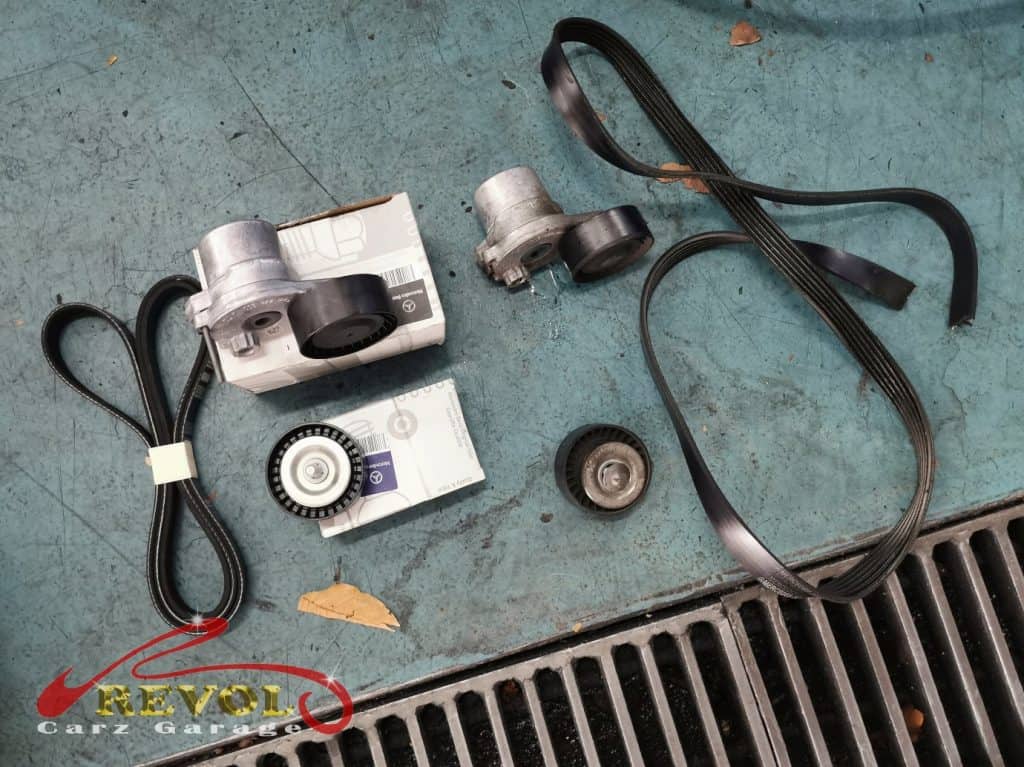
The seized AC compressor and its pulley were removed and a new genuine Mercedes-spec compressor and pulley fitted, the worn belt tensioner replaced, and a new drive belt fitted and routed correctly with the tension set to spec. The cooling system was checked and topped, the AC system checked and recharged, and any related faults cleared. A road test, including time idling in traffic, confirmed the gauge holding steady, the belt running true, the AC cold, and no overheating.
The outcome
The temperature gauge holding steady, the drive belt running true on fresh pulleys and a new tensioner, the AC blowing cold, and no overheating. Mr Addis got the car back the same Saturday morning, busy as it was, the problem solved. Diagnosing it properly meant we fixed the seized pulley and the belt that had actually caused it rather than guessing at a coolant pump, and the engine was caught before the heat did any lasting harm.