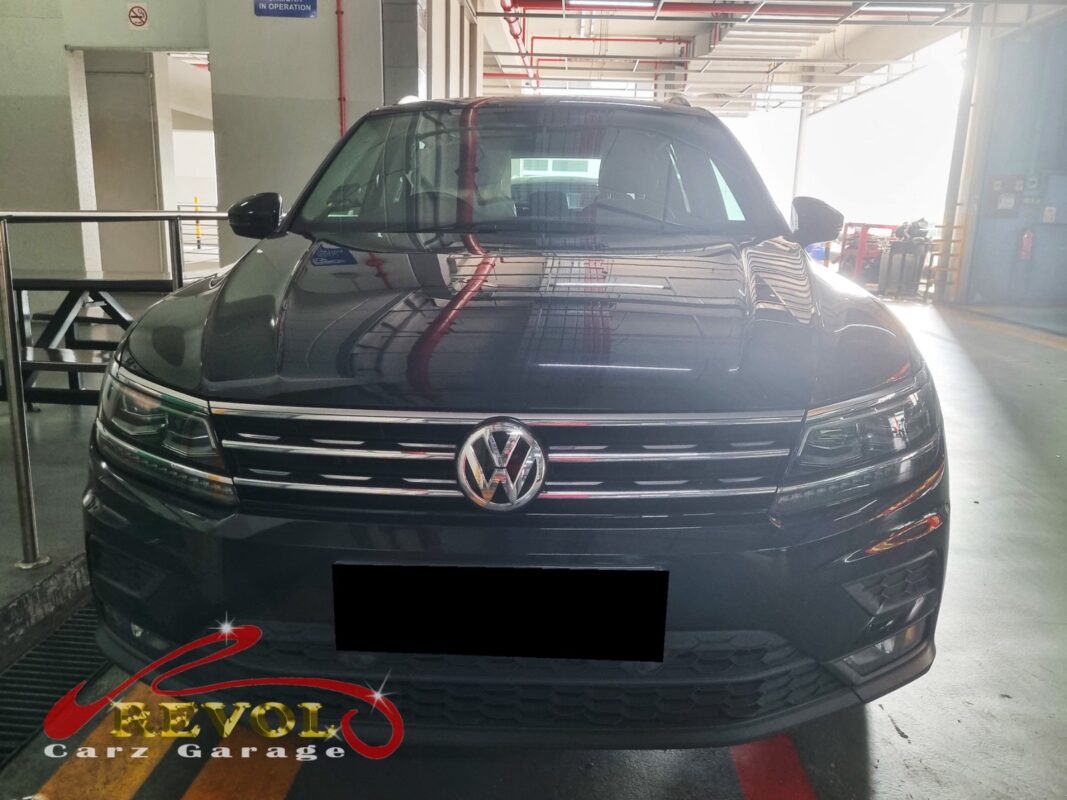
The brief
The Tiguan was using oil between services, puffing a bit of blue smoke when you gave it a harder push, idling rougher than it should, and the check engine light was on. Four signs that pointed at the oil separator.
The oil separator, part of the crankcase breather system, sits on the engine and does a simple job: the engine breathes out a fine oil mist from the crankcase, the separator catches that oil and drops it back into the sump, and the cleaned vapour goes back to the intake to be burned off properly. When the separator's diaphragm splits, that breather path stops sealing. The engine pulls a vacuum it can't regulate, which upsets the idle, and raw oil mist gets dragged into the intake instead of being caught, which is the oil consumption and the blue smoke. The light comes on because the engine can see the pressures are wrong.
The diagnosis
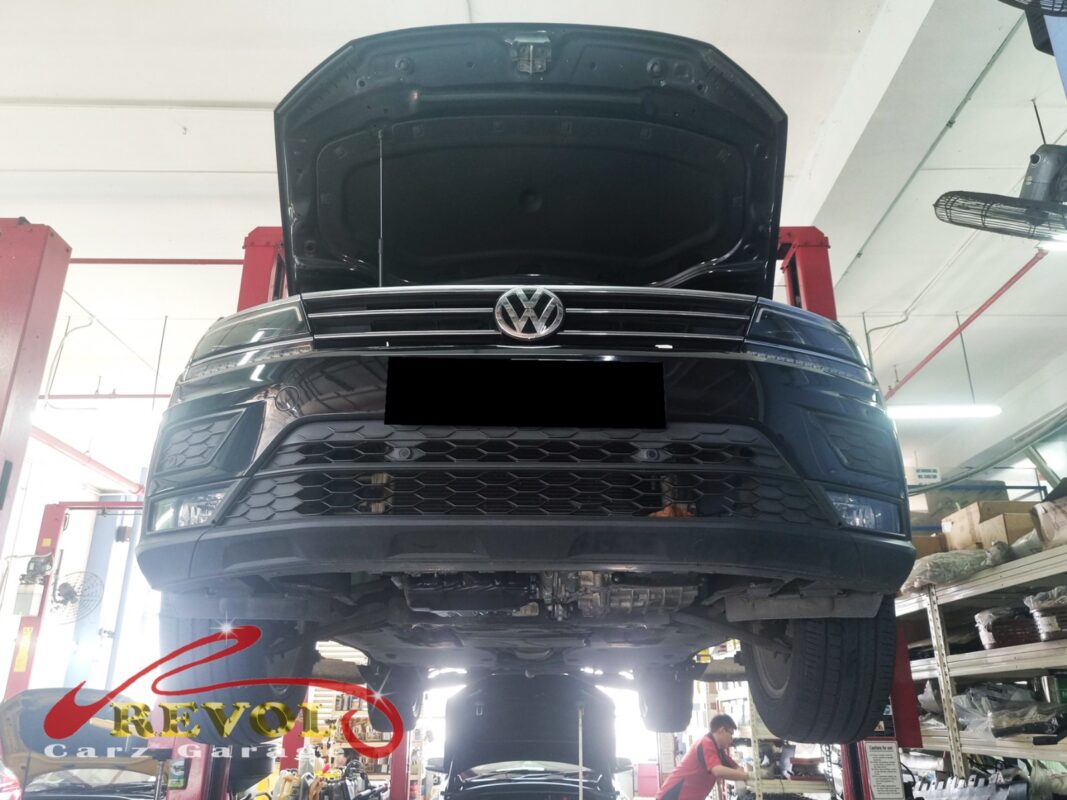
The scan came back with codes pointing straight at the crankcase breather, and a check of the separator showed the diaphragm had collapsed. With that gone there was a permanent vacuum leak the engine was fighting on every cycle, and oil mist that should have drained back to the sump was being pulled through into the intake.
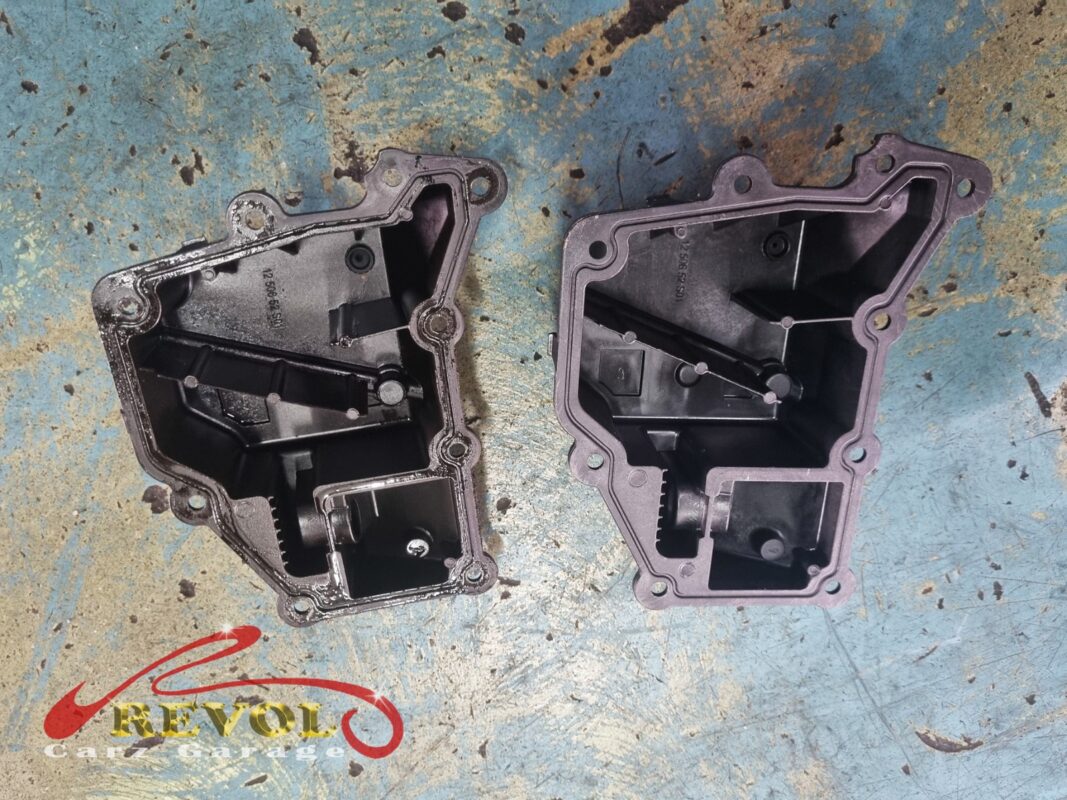
That's a replacement. The separator is a sealed unit, you don't rebuild it, and a collapsed one only gets worse, so it was getting changed out.
The work
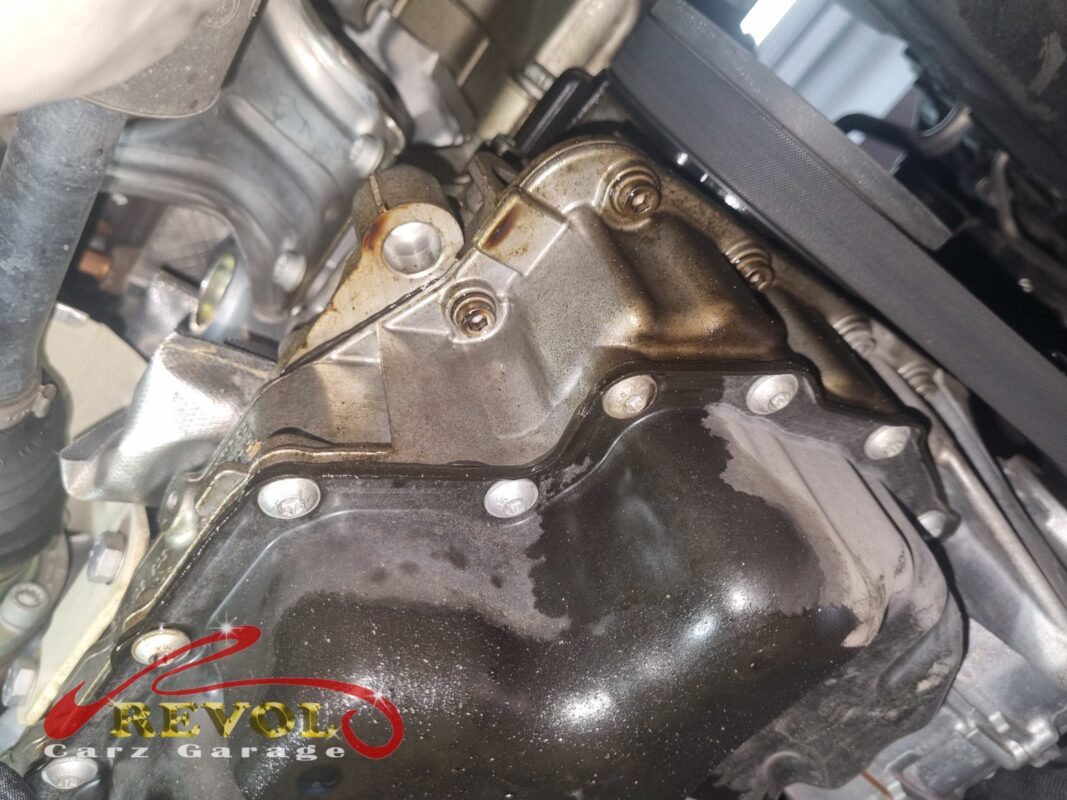
The old oil separator unit was unbolted from the engine, the breather hoses freed off, and the mating face cleaned up. A new VAG-spec separator went on with fresh seals, and the breather hoses were reseated with new clamps so the whole path was sealed again.
Then the fault codes were cleared and the engine run to check the idle had settled and nothing was leaking.
A road test confirmed the idle was steady, the smoke was gone, and the engine pulled cleanly.
The outcome
Steady idle, no blue smoke, oil consumption back to normal, and the check engine light out.
The Tiguan went home breathing properly again. A failed oil separator quietly drinks oil and fouls the intake the longer it's left, so catching it on the smoke and the rough idle kept it to a clean part swap rather than a sooty intake to deal with as well.