The brief
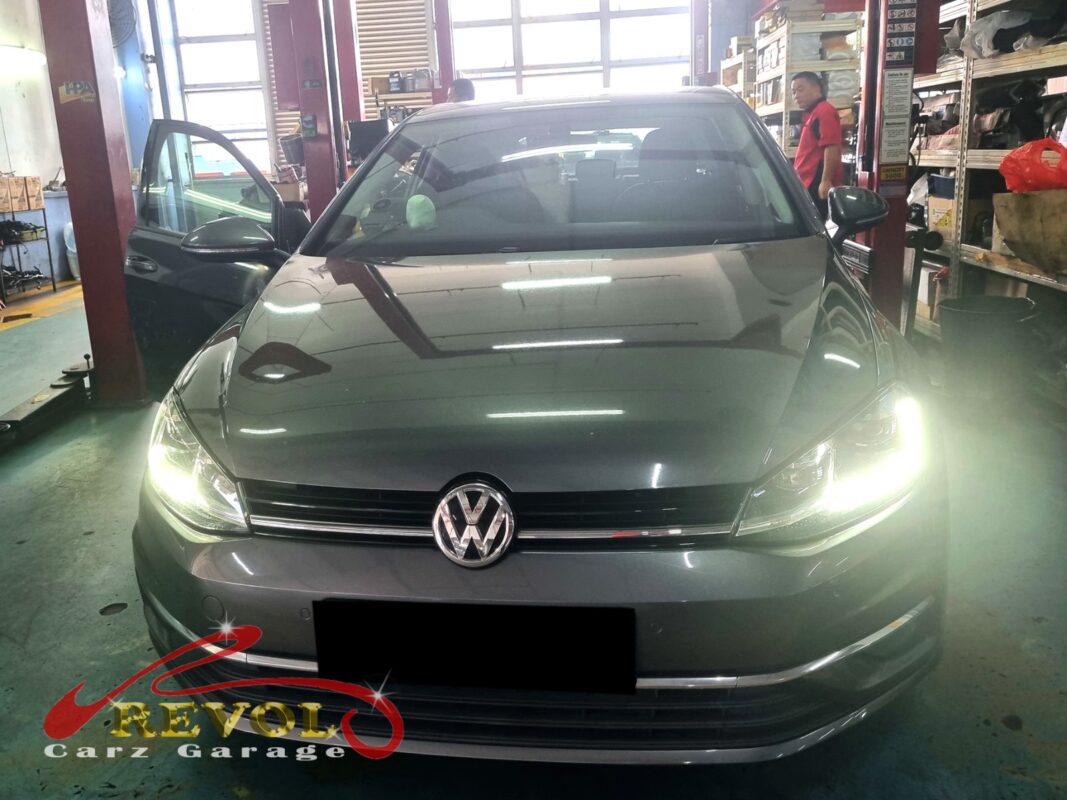
The Golf had been needing oil top-ups every other tank, the bay liner under the engine was getting greasy, and the idle had grown rough. The owner traced the source on a quick look to the oil separator area and brought it in.
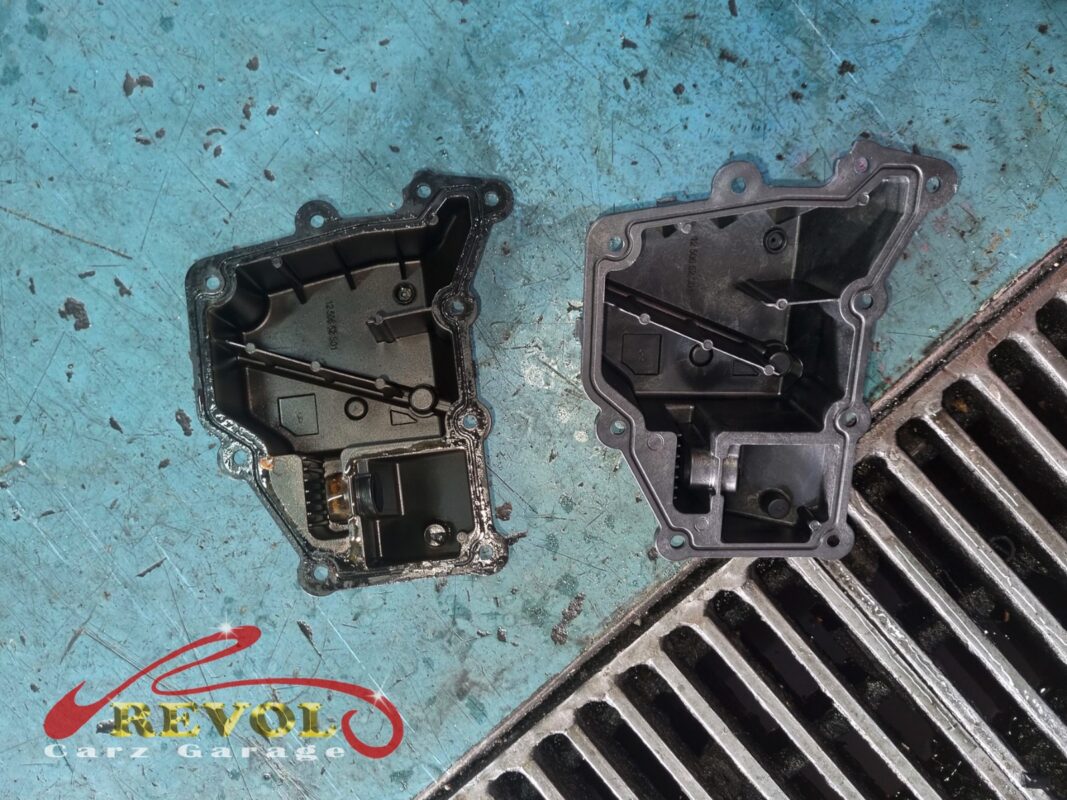
The oil separator is part of the engine's breather system. The engine breathes out a fine oil mist from inside, the separator catches that oil and drops it back into the sump, and the cleaned vapour goes back to the intake to be burned. A diaphragm inside the separator keeps the crankcase pressure in check while it does this. When the diaphragm fails and the housing cracks, that whole path stops working: the pressure isn't regulated, which upsets the idle, and oil mist gets pulled straight through the breather instead of being caught and drained, which is the oil use and the mess.
The diagnosis
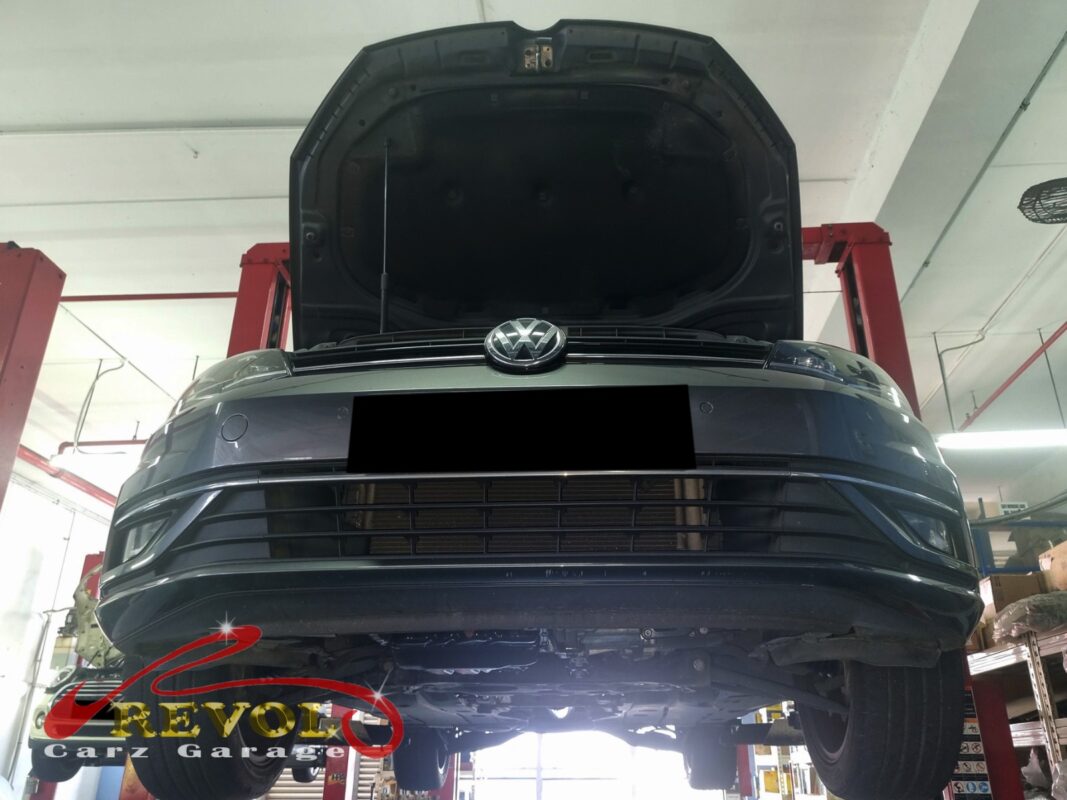
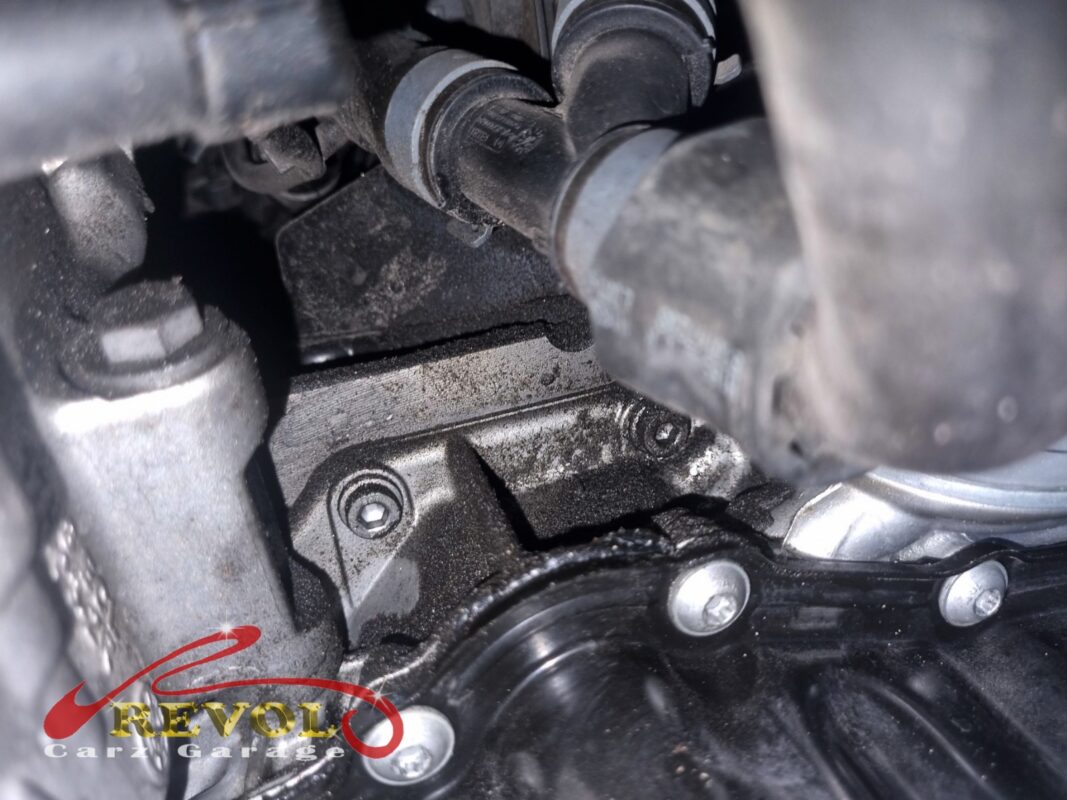
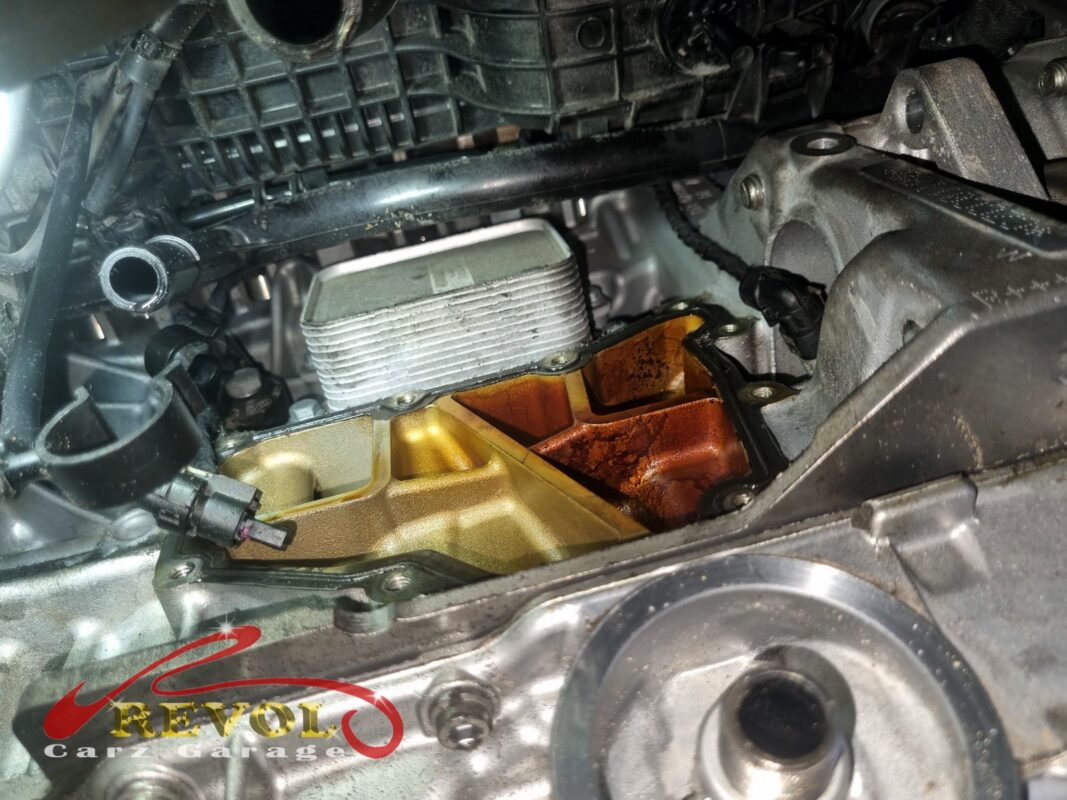
On the lift the leak was confirmed: the oil separator cover had a hairline crack near a mounting boss, and the diaphragm inside the unit had also failed. With the PCV no longer regulating crankcase pressure, the engine was pulling oil through the breather and idling poorly.
That's a replacement. The separator is a sealed assembly, you don't patch a cracked housing or a torn diaphragm, so the unit gets changed.
The work
The cracked oil separator cover came off, and a new VAG-spec unit went in with a fresh diaphragm and seal. The breather hoses were reseated with new clamps so the whole path was sealed again, and a short adaptation cycle run on the scanner so the engine relearned its idle with the breather working properly.
A road test confirmed the idle had settled and there was nothing leaking.
The outcome
No more leak, a smooth idle, and oil consumption back to normal.
The Golf went home with the PCV system regulating cleanly and the bay liner dry. A failed oil separator quietly drinks oil and roughens the idle the longer it's run, so catching it now kept it to a clean part swap.