The brief
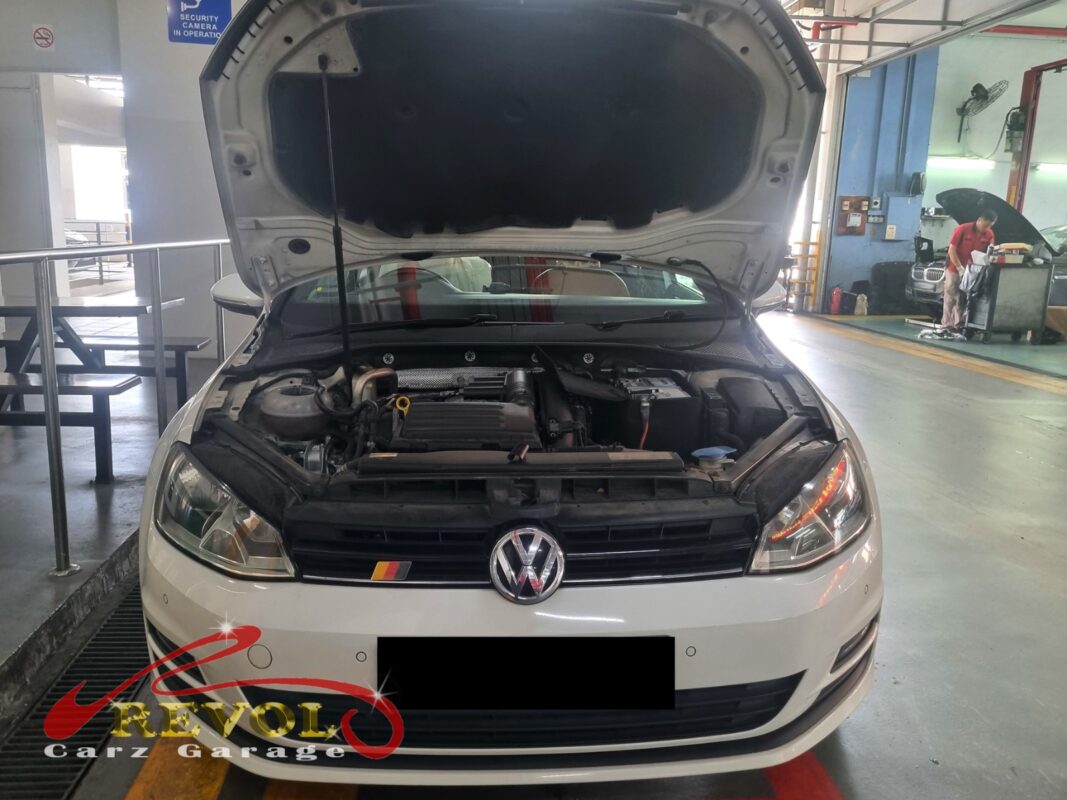
The Golf had developed a battery warning light on the dash, the morning crank had slowed noticeably, and on a couple of occasions the engine had cut out shortly after starting. That set of symptoms together is the classic alternator-not-charging signature.
The alternator is what keeps the battery topped up and runs the car's electrics once the engine's going. When it stops charging, the car runs off the battery alone, so the battery drains, the crank slows the next morning, and once it's flat enough the engine can't keep its electrics alive and cuts out. The warning light is the car telling you the charging system has dropped offline. An alternator doing that has failed, and the battery takes a beating in the meantime.
The diagnosis
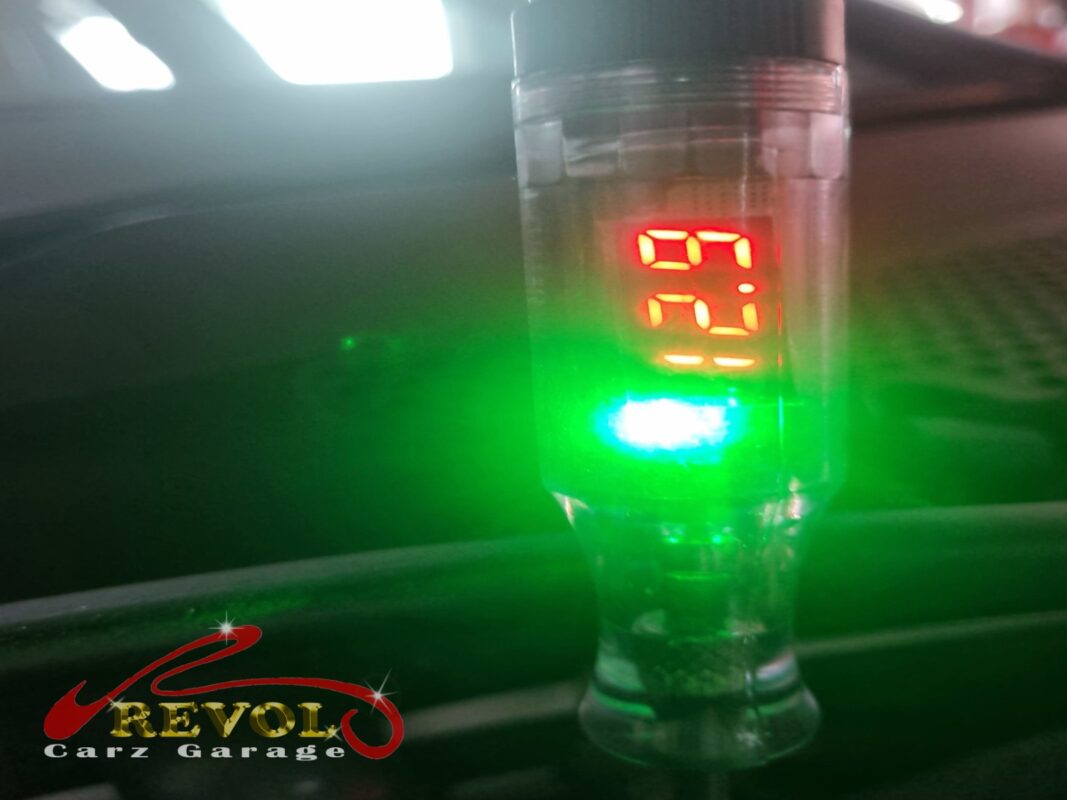
On the multimeter the alternator wasn't delivering charge voltage with the engine running, where it should be sitting up around fourteen volts. The drive belt was tight, the harness checked clean, so the alternator's own regulator had failed.
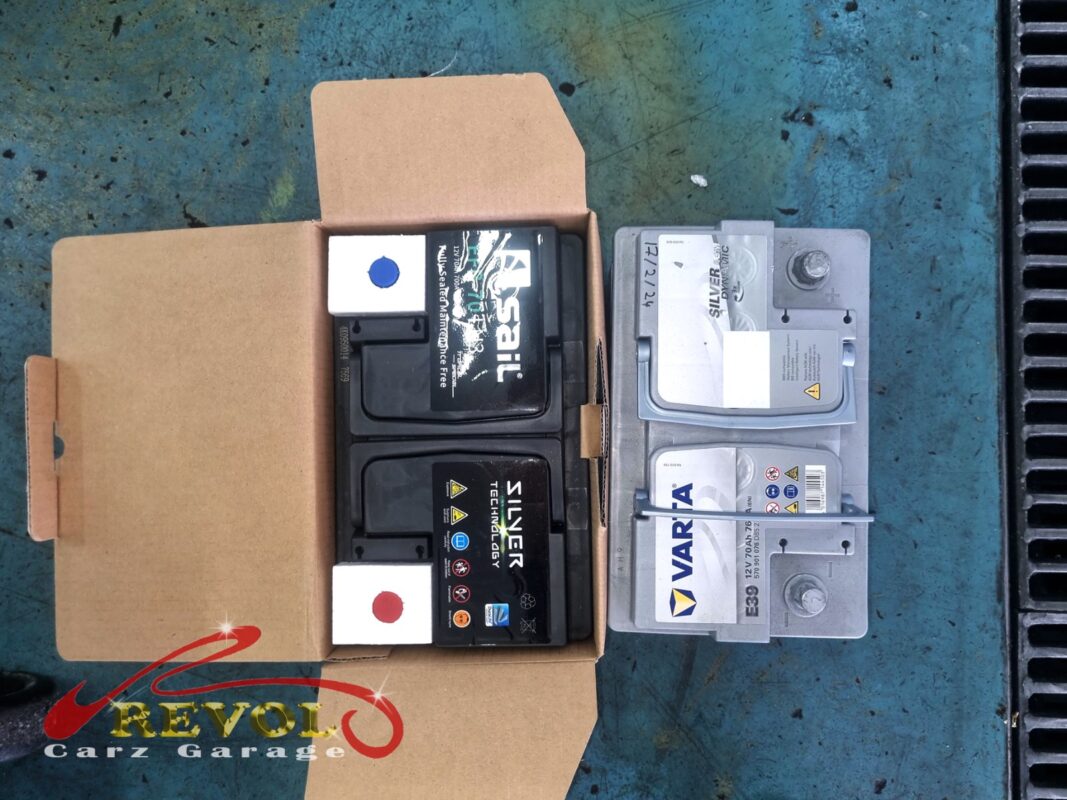
And the battery, having been run flat and recharged a few times by a car with no working alternator, was worn enough that it made sense to change it at the same time rather than send the car out on a tired one. So it was a new alternator and a fresh battery.

The work
The drive belt was released, the alternator unbolted, and a new VAG-spec alternator fitted, the belt re-tensioned. A fresh battery went in alongside it. Then the new alternator was load-tested with the engine running and the major loads, headlights, blower, rear demist, switched on, to confirm it held charge voltage under demand.
A road test confirmed it cranked normally and the warning stayed off.
The outcome
Charging output back to spec, the dash warning gone, the crank back to a normal half-second start, and no more cutting out.
The Golf went home with the electrical system stable. A failing alternator strands you once the battery's flat, and it drags the battery down with it, so changing both put the charging system properly right rather than leaving the car limping on borrowed time.