The brief
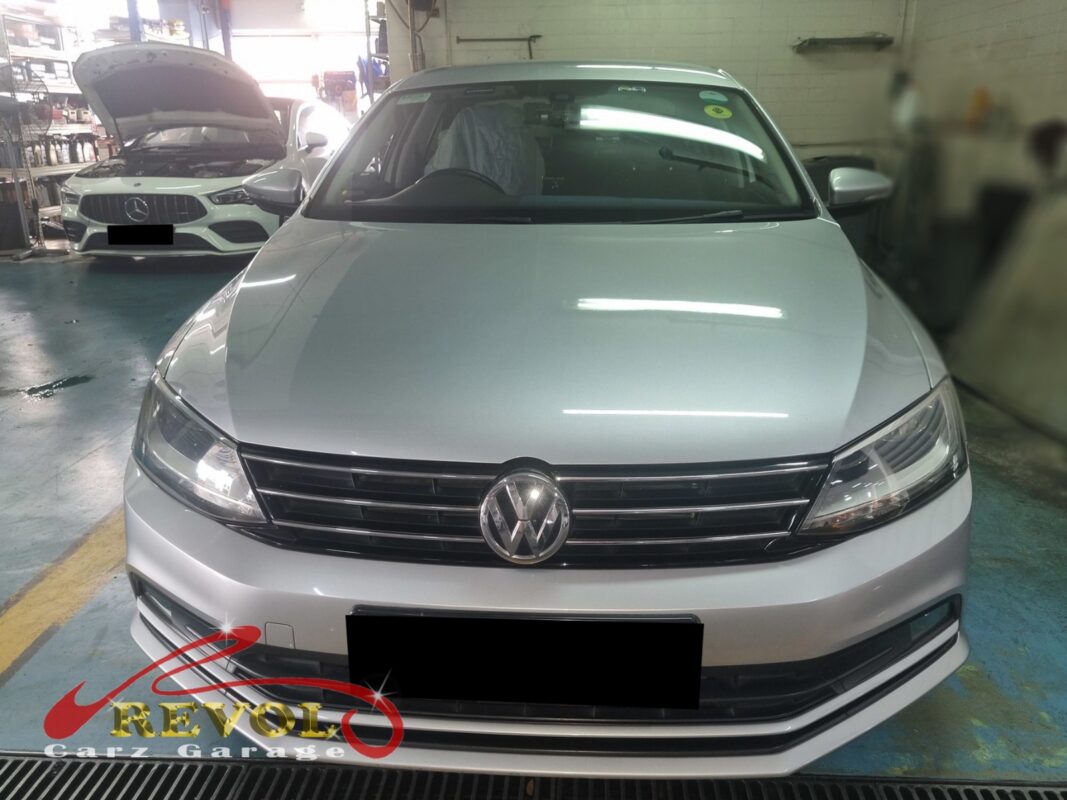
The Golf had been losing coolant slowly and taking longer than normal to come up to operating temperature on cold starts. The owner could see fresh coolant traces around the thermostat housing on a quick bay check. He brought it in.
The thermostat is the valve that decides when coolant flows to the radiator, staying shut while the engine warms up so it gets to temperature quickly. On this engine it sits inside a plastic housing, and that plastic ages and cracks, which lets coolant weep out, while the thermostat inside can lose some of its travel and stop closing fully on warm-up. A cracked housing and a tired thermostat together is the slow coolant loss and the slow warm-up, both from the one part.
The diagnosis
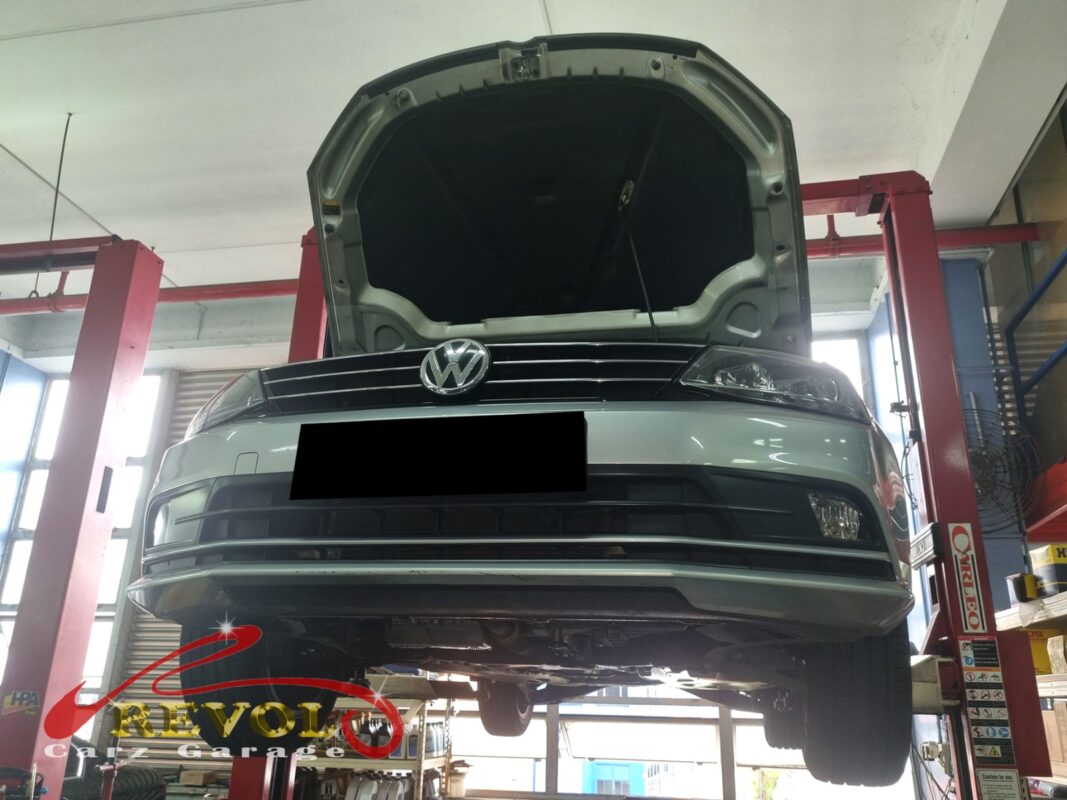
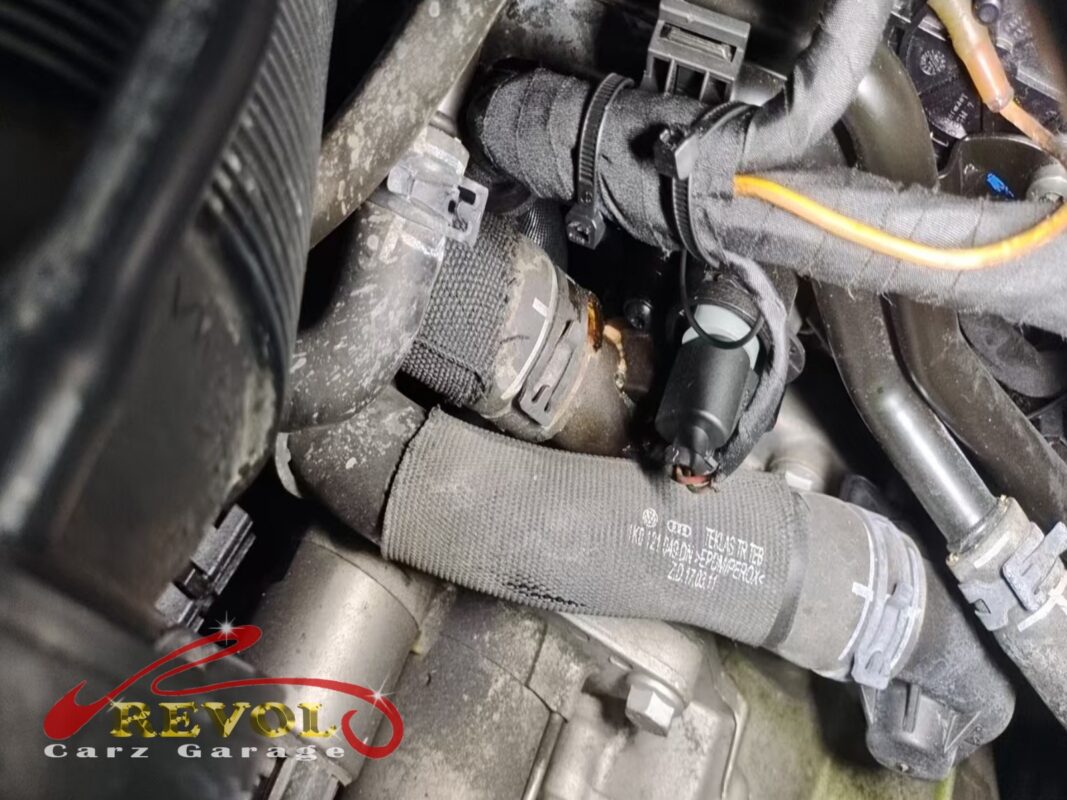
A pressure test confirmed it: a hairline crack in the plastic thermostat housing was leaking from a clamping point, and the thermostat itself had lost some of its travel, which explained the slow warm-up.
Replacing the housing alone would have left the thermostat ready to be the next problem, and since the housing and thermostat on this engine come as one piece, the sensible fix was to change the assembly complete with a fresh seal.
The work
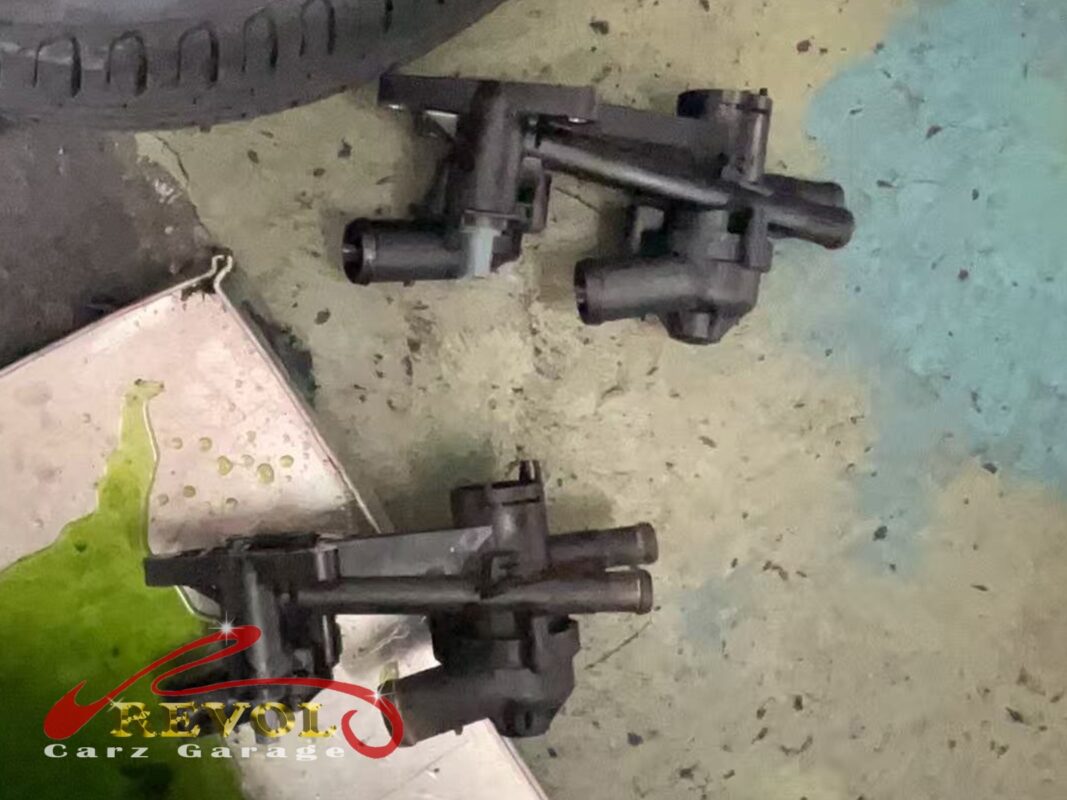
The cooling system was drained, the cracked thermostat housing removed, and a new VAG-spec housing fitted, integrated thermostat and all, with a fresh seal. Then the system was refilled with the correct coolant, the air bled out the proper way, and held under pressure to confirm it now held.
A road test confirmed the warm-up was back to normal and there was nothing weeping.
The outcome
Warm-up time back to normal, no drips, and the coolant level holding.
The Golf went home with the cooling system both sealed and regulating properly. A cracked plastic housing only cracks further, and an engine that warms up slowly runs rich and wears harder until it's right, so changing the assembly sorted the leak and the warm-up in one go.