The brief
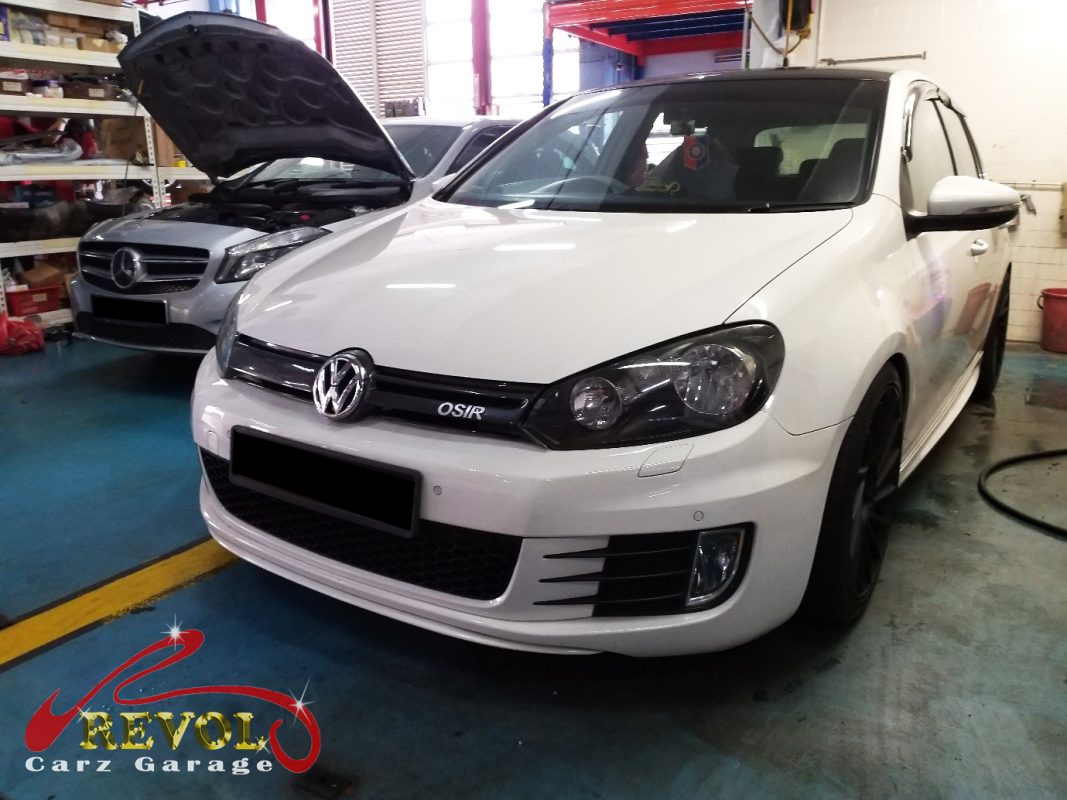
The Golf's owner noticed a pool of oil under the car when it was parked and brought it in. That's the right call, losing engine oil quietly is bad enough, but a puddle means a real leak, and an engine that runs low risks low oil pressure and serious damage. The trail pointed at the crankshaft oil seal. The crankshaft turns at one end of the engine, and a seal rides on it where it exits the block to keep the oil in. That seal is rubber, and over the years and the heat cycles it hardens, loses its grip on the spinning crank, and starts weeping oil, which runs down and drips into a puddle. A hardened crank seal doesn't recover, and the leak only gets worse, so it needs replacing.
The diagnosis
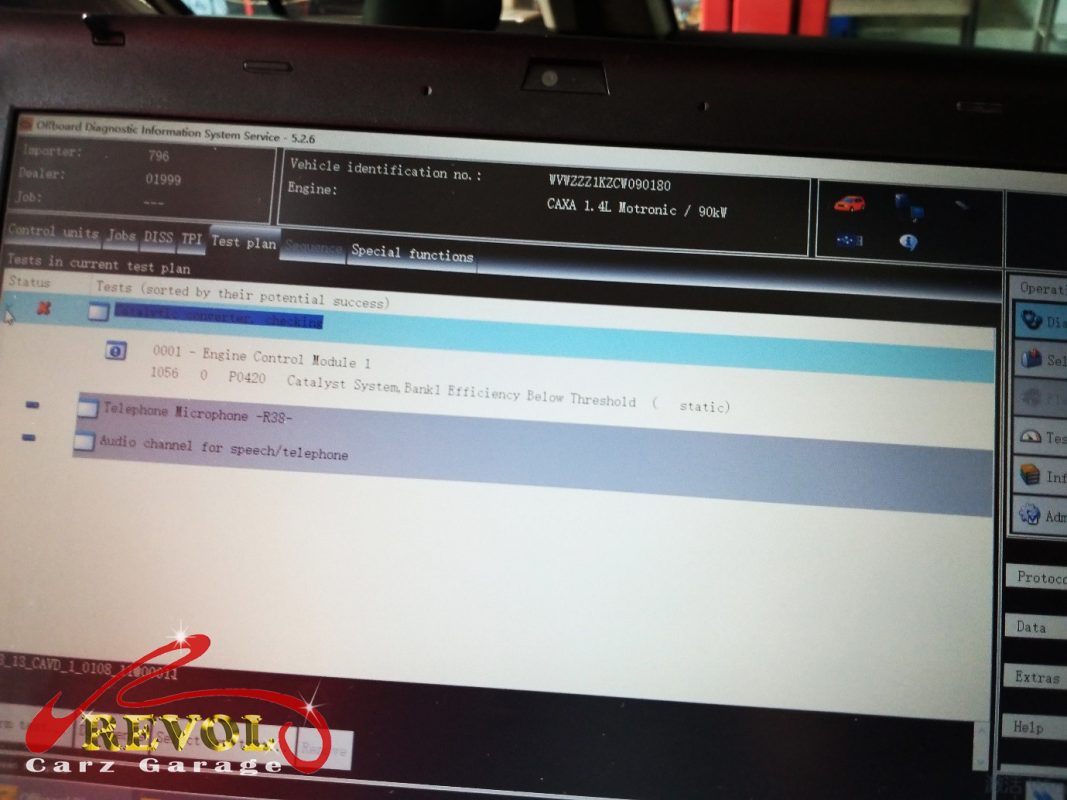
With the engine cleaned off and run, the leak traced to the crankshaft oil seal, oil weeping from where the seal rides on the crank, not from the sump or the cam cover. The rest of the engine's seals checked out dry, so it was the crank seal. That's a seal replacement: get the access in front of the crank, lever the old hardened seal out, clean the journal, and drive a new seal in square so it seats and seals properly.
The work
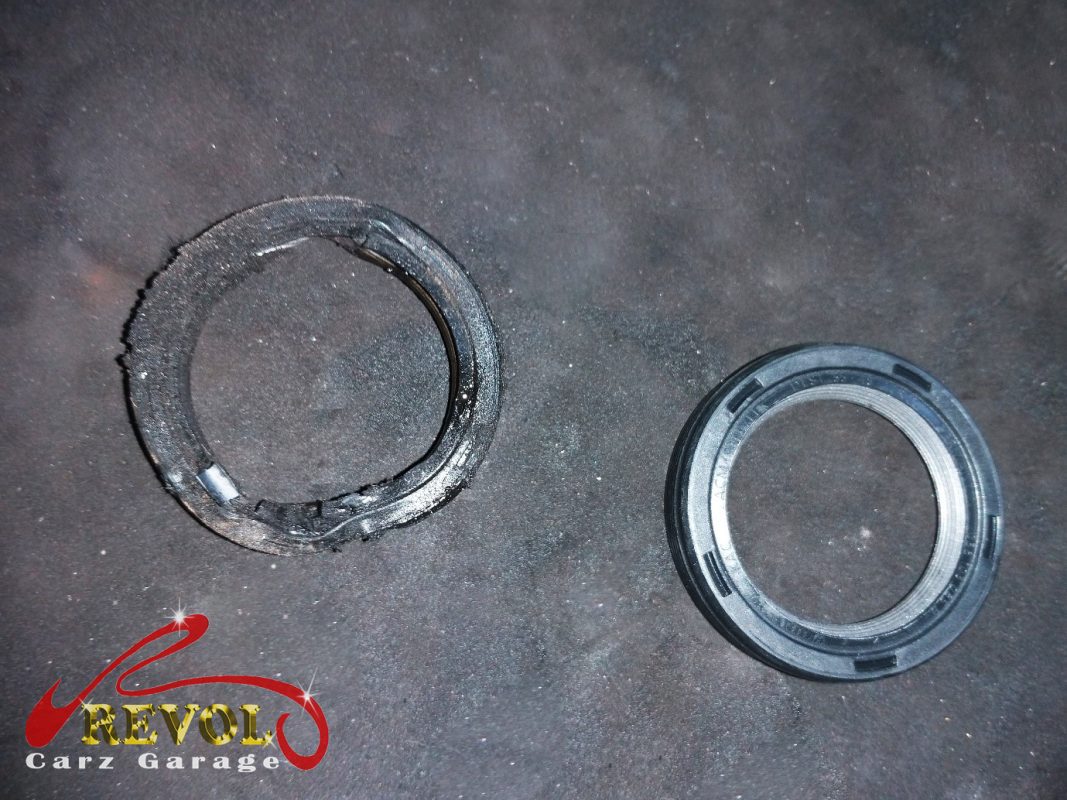
The bits in the way were removed for access, the old crankshaft oil seal levered out, the crank journal and the housing cleaned up, and a new genuine VW-spec seal driven in square to the correct depth, lubricated so it didn't damage on first turn. Everything went back together to spec, fresh oil to level, and the engine run and checked warm for any weep. A road test confirmed the seal was dry and the level held.
The outcome
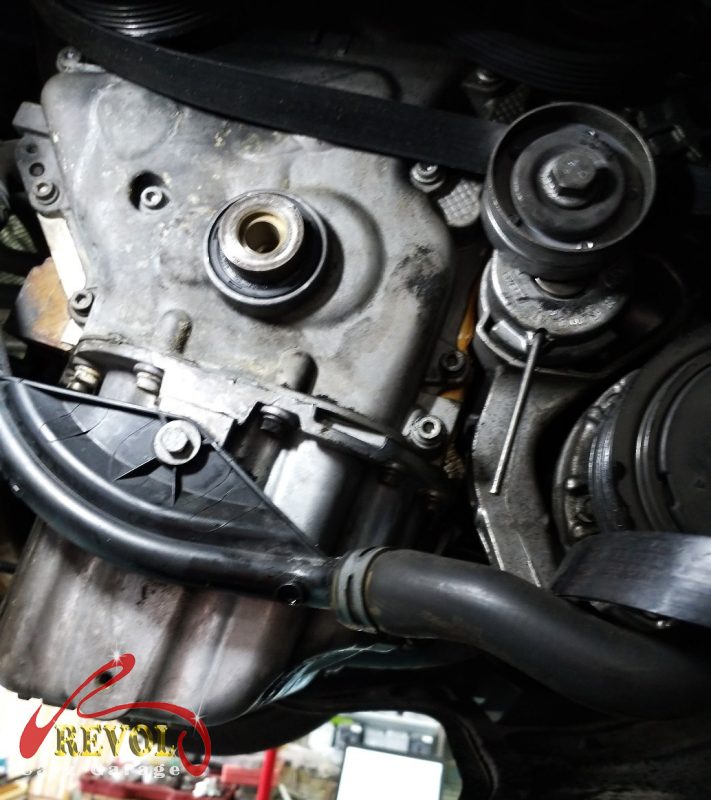
No more oil under the car, the crankshaft seal dry, and the oil level holding between checks. The Golf went home with the leak sorted at its source. A hardened crank seal only worsens and quietly drinks oil, so replacing it properly stopped the leak and kept the engine where it should be on oil.