A-pillar, B-pillar, C-pillar
The A-pillar, B-pillar, and C-pillar are the vertical structural supports between the body and the roof of a car, named alphabetically from front to back.

What it means
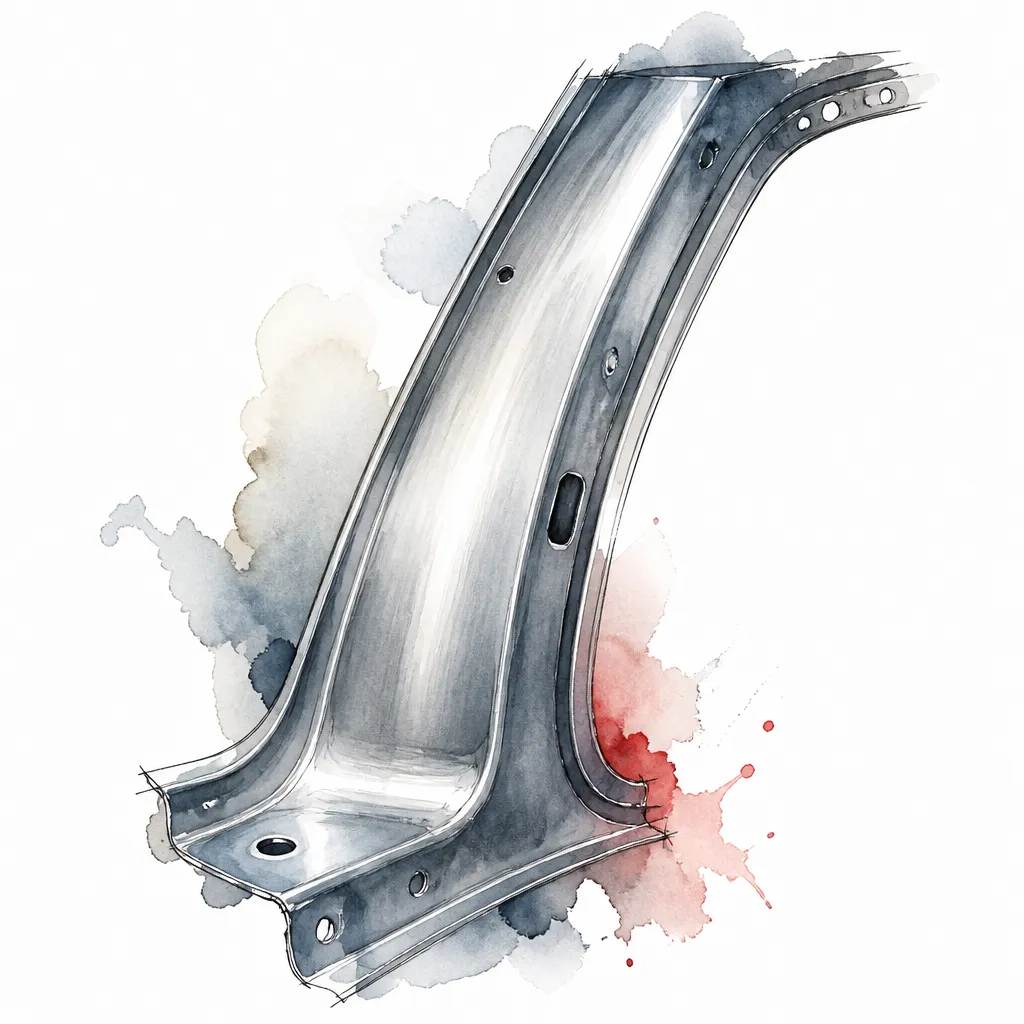
The A-pillar is at the front, framing the windscreen on each side. The B-pillar is the middle one between the front and rear doors on a four-door car (it disappears on pillarless coupes). The C-pillar is at the rear, framing the rear glass on a sedan or the back of the cabin on a hatchback or SUV. SUVs and longer wagons may have a D-pillar as well. All the pillars are part of the car's primary safety cage: they channel impact loads, anchor the seatbelts, and house airbag curtains. Inside, they hide wiring harnesses, sensors, and structural reinforcements (often boron steel on modern cars). When pillars are damaged in a serious accident, repair becomes structural rather than cosmetic. Cosmetic dent and scratch work on pillars is normal bodyshop scope; bent or kinked pillar metal is a structural job that needs frame straightening on a calibrated jig.
Why it matters in Singapore
In Singapore's parking-density environment, the most common pillar damage is cosmetic: scratched A-pillar trim from a tight carpark exit, scuffed C-pillar from a reverse against a wall. Anything beyond cosmetic, especially after a side-impact collision, needs to be scoped properly because pillar integrity is what protects the cabin in a future crash. A workshop that scopes pillar damage carefully, rather than just spraying over a kinked panel, is the right kind to use.

How Revol Carz handles this
Revol Carz handles cosmetic pillar work as part of routine spray painting. Structural pillar damage is scoped on a frame-straightening jig and only signed off when the geometry is back to factory spec.