Oxidation
Oxidation is the chemical breakdown of paint pigment caused by long exposure to UV, heat, and atmospheric pollutants, leaving a chalky, faded, or dull surface.

What it means
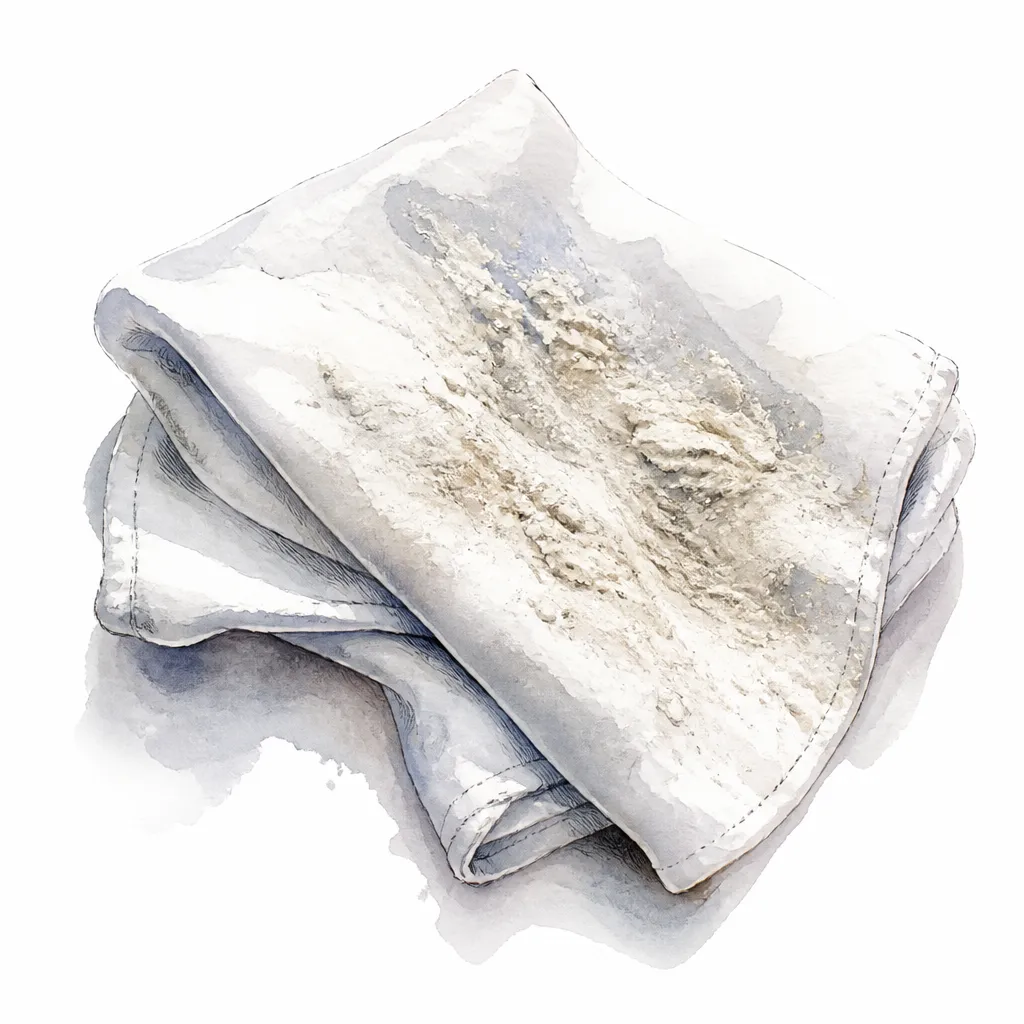
Oxidation starts at the molecular level. UV photons and heat slowly destabilise the pigment binders in the clear coat and base coat, turning a glossy surface into a dull, grey-tinged one. Early oxidation looks like loss of depth: the colour still reads correctly, but reflections become hazy. Mid-stage oxidation produces visible chalking, where the surface looks like a powdery film that wipes off slightly when rubbed. Late-stage oxidation is when the clear coat itself begins to delaminate in patches, exposing base coat and primer. Early and mid-stage oxidation is reversible through paint correction, which removes the damaged top microns of clear coat and exposes a fresh layer below. Late-stage oxidation past the clear coat usually requires partial or full respray.
Why it matters in Singapore
Tropical Singapore is one of the worst climates for paint oxidation. Year-round UV intensity is high, average temperatures are warm, and humidity accelerates many of the reactions involved. Cars parked uncovered, especially in office or hawker centre lots, oxidise visibly faster than cars kept in covered HDB or condominium carparks. A glance at the roof and bonnet usually tells you where a Singapore car has lived its life.

How Revol Carz handles this
Revol Carz handles oxidation through one of two paths. If the clear coat is intact, paint correction restores depth and gloss in a single grooming session. If oxidation has eaten through, our spray painting team scopes the affected panels, panels are prepped, and the car runs through our Italian Saima dust-free booth for a colour-matched respray.