Polishing compounds
Polishing compounds are abrasive liquids or pastes used with a polisher to remove specific levels of paint defect, graded by how aggressive the abrasive is.

What it means
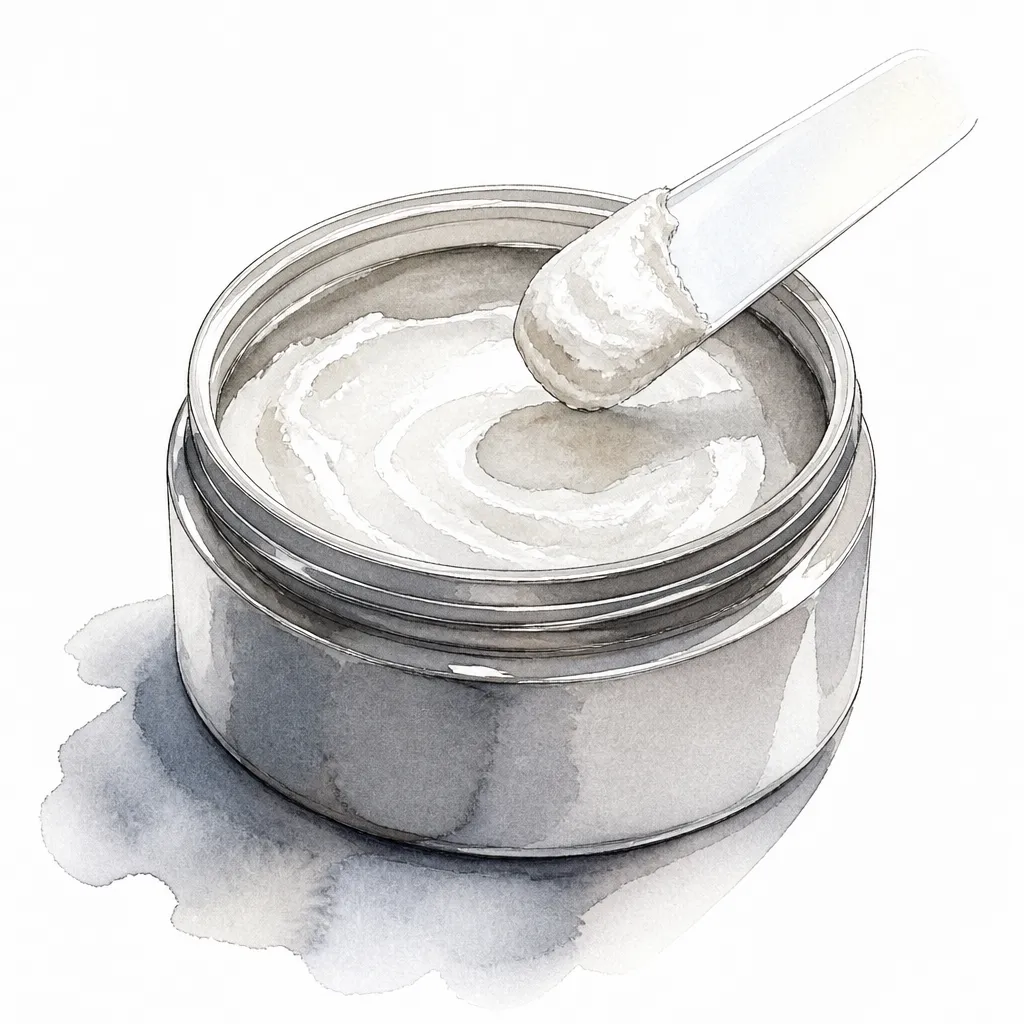
Polishing compounds work in three main grades. A cutting compound has the most aggressive abrasive and is used to level deeper defects: visible swirl marks, oxidation, light scratches that fingernails catch slightly. A medium polish refines the surface after the cut, removing the haze a cutting compound leaves behind and bringing back depth. A finishing polish has the finest abrasive and is used as the last stage to bring a panel up to high gloss with no visible micro-marring. Each compound is matched to a specific pad type (cutting, polishing, or finishing pad), and the compound-pad combination is what determines the cut level rather than the compound alone. Modern compounds are diminishing-abrasive: the abrasive particles break down as the compound is worked, starting aggressive and finishing finer, which is what allows a single product to do more than one job in skilled hands. Spotting which compound a workshop uses is a fast indicator of how seriously they take paint correction.
Why it matters in Singapore
Singapore paint systems (mostly modern thin-clear-coat European spec) need careful compound selection. A cutting compound that works fine on Japanese-market thicker clear coats can cut through a thinner European clear coat in a few passes. A workshop that uses one compound for everything is a workshop that is gambling with your paint.

How Revol Carz handles this
Revol Carz uses a graded set of compounds matched panel by panel to the defect being corrected, the paint hardness, and the available clear-coat depth. We measure depth before starting and inspect under controlled light between stages.