Bumper reinforcement (crash bar)
The bumper reinforcement, sometimes called the crash bar, is the steel, aluminium, or composite beam that sits behind the plastic bumper cover and is engineered to absorb collision energy.

What it means
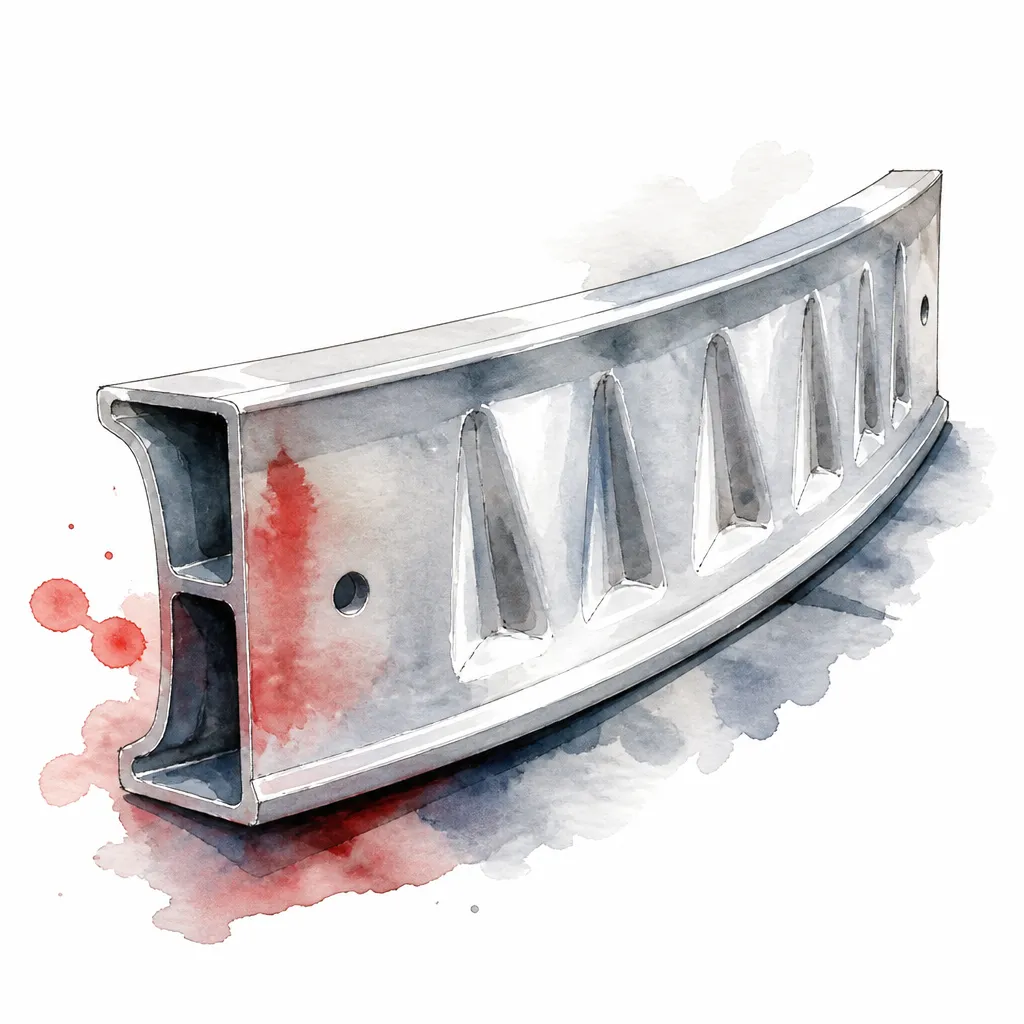
Modern bumpers are a two-part system. The part you see is a thermoplastic cover, designed for cosmetic appeal and minor-impact compliance. Behind it sits the bumper reinforcement, a structural beam bolted directly to the chassis rails. The reinforcement is what does the real work in a collision: at low speeds it absorbs and disperses the impact, and at higher speeds it is the first stage of the crumple zone, deforming progressively to slow the energy reaching the cabin. The two parts can be damaged independently. A low-speed parking knock often deforms only the plastic cover, which can be repaired or replaced cheaply. A harder impact deforms the reinforcement too, which usually means full replacement (the reinforcement is engineered to absorb energy by deforming, so it cannot be straightened back without losing its safety function). Bumper-reinforcement assessment is part of any thorough collision repair scope, especially for insurance claims.
Why it matters in Singapore
Singapore parking knocks usually only damage the bumper cover, but insurance assessors look at the reinforcement on every front or rear collision. A workshop that scopes the reinforcement separately from the cover (rather than just replacing the cover and ignoring what is behind) is doing the job properly. Cosmetic-only repairs that hide reinforcement damage compromise crashworthiness and resale.

How Revol Carz handles this
Revol Carz inspects the bumper reinforcement on every collision job, quotes cover and reinforcement separately when both are involved, and uses OEM reinforcement parts where replacement is needed.