OEM parts
OEM parts are Original Equipment Manufacturer parts, made by the same supplier that produced the parts fitted to a vehicle's original assembly.

What it means
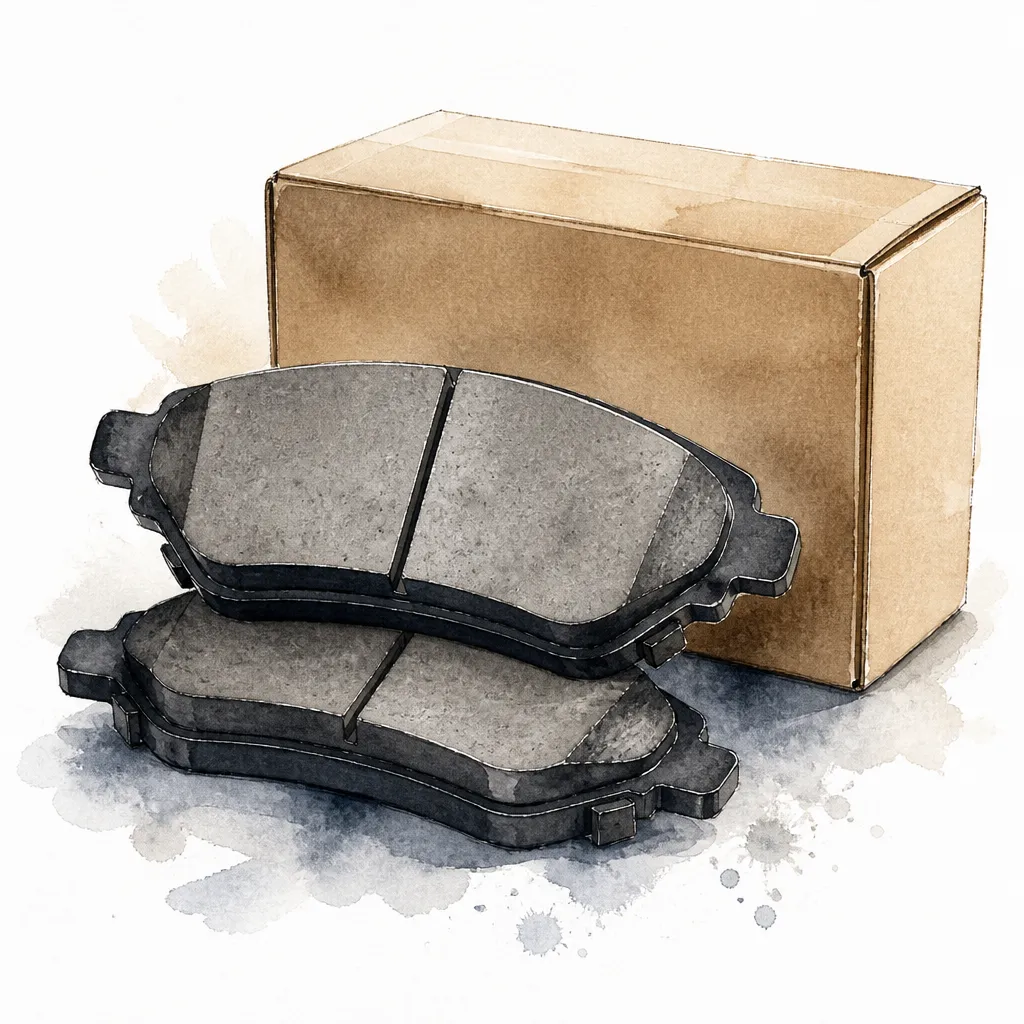
OEM parts are not the same as genuine dealer parts (which are OEM parts re-boxed by the manufacturer and sold at a markup), and they are not the same as aftermarket parts (made by independent suppliers to similar but not identical specifications). They are the same engineered components that came from the factory, just sold without the carmaker's branding. Using OEM parts preserves the engineering integrity of the car, the warranty status of major systems, and the resale value of the vehicle. Aftermarket parts can be cheaper, but the savings are often offset by shorter service life, fitment issues, and discount pressure at resale. For European cars in particular, where systems are tightly engineered and tolerances are tight, OEM is the safer default.
Why it matters in Singapore
Singapore's car ownership economics already squeeze owners through COE, ARF, and road tax. Recovering some of that cost through good resale value depends in part on being able to show a documented service history with OEM parts. A workshop that quietly substitutes aftermarket parts to undercut a quote can save you a few hundred dollars now and cost you a few thousand later.

How Revol Carz handles this
Revol Carz Garage uses OEM parts as standing policy for all servicing work on BMW, Mercedes, Audi, and Volkswagen. Aftermarket parts are not used as standard; if an owner specifically requests them, we discuss the trade-off in writing.