Burn-through
Burn-through is when machine polishing removes too much clear coat and exposes the colour coat or primer below, a defect that cannot be polished out and needs a respray.

What it means
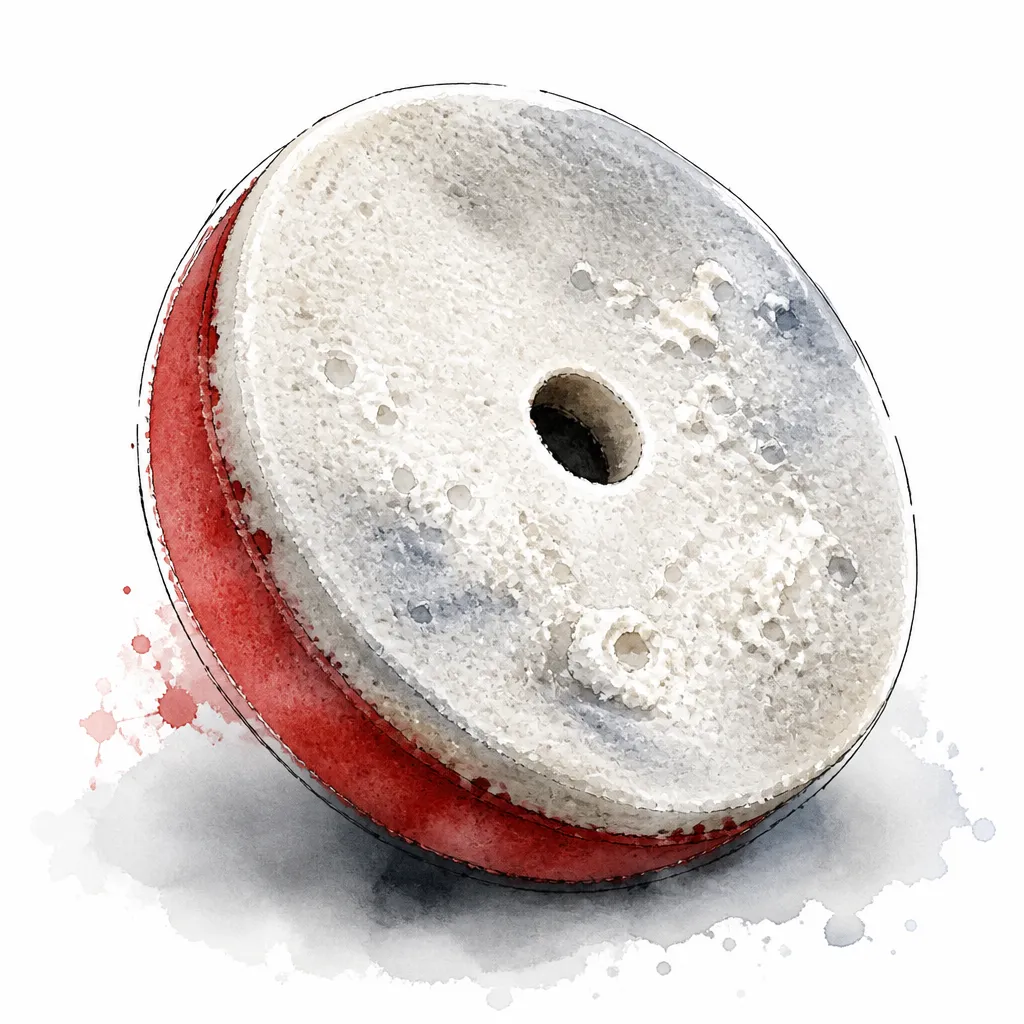
Burn-through happens during machine polishing or compounding when friction and heat strip away more clear coat than intended and reach the colour coat or primer underneath. Car paint is built in thin layers, and the clear coat on top is the layer that gives gloss and protects the colour. An aggressive pad, a coarse compound, too much pressure, or holding a polisher in one spot all generate heat that thins the clear coat fast. Once the colour coat is exposed, the damage shows as a dull patch or a discoloured streak, often with a visible change in shade. It cannot be corrected with more polishing, because there is no clear coat left to refine. The only proper fix is to repaint the affected panel. Panel edges, body lines, and raised ridges are the highest-risk areas, since the clear coat is thinnest where the surface curves.
Why it matters in Singapore
Singapore's heat works against the polisher before the job even starts. A car that has been parked under the sun holds heat in the panels, so the surface needs less friction to reach a damaging temperature. In a market where a single respray runs into serious money and resale value hinges on an even, original finish, a burn-through on a door edge or bonnet line is a costly mistake. Careful technique and a cool working surface matter here.

How Revol Carz handles this
Revol Carz works in a climate-controlled bay so panels stay cool and predictable during correction. Our detailers measure paint depth before polishing, tape off edges and ridges that carry thin clear coat, and start with the least aggressive pad and compound that will do the job. Speed and pressure are controlled throughout, and the surface is checked often, so we lift defects without ever cutting too deep.