Wet sanding
Wet sanding is the controlled use of fine abrasive paper with water (or soap solution) to level a cured paint surface before the final cut and polish.

What it means
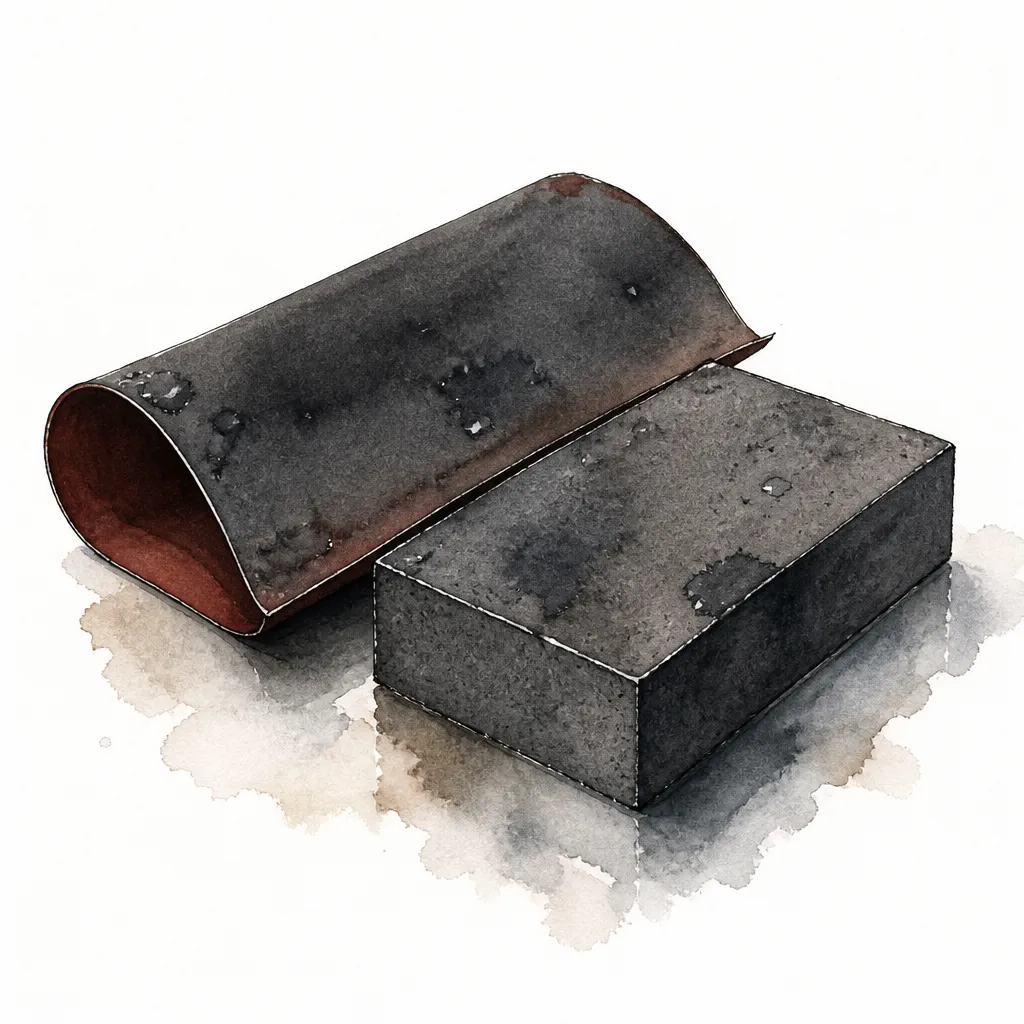
Wet sanding sits between spraying and polishing. After the clear coat has fully cured, the painter wet-sands the surface with progressively finer grits (typically 1500 to 3000) to flatten any orange peel, remove dust nibs, and erase tiny defects that surfaced during cure. Water keeps the abrasive cool and lubricated and stops the paper from clogging with paint dust. Once wet-sanded flat, the surface looks dull but uniform. The final cut and polish then bring it back to high gloss. The whole sequence is what allows a bodyshop to deliver a respray that matches or exceeds the factory finish. Done wrong, wet sanding cuts through the clear coat into the base coat below, which means an immediate respray of the affected area. Done right, it is the silent step that makes a good respray look great.
Why it matters in Singapore
Singapore's humidity and the way a respray cures here mean some level of orange peel and surface dust is hard to avoid even in a sealed booth. Wet sanding is the step that removes both. A bodyshop that skips wet sanding ships cars whose finish is good from a metre away but tells a different story under direct sunlight up close.

How Revol Carz handles this
Revol Carz wet-sands every full respray and most panel jobs as part of the standard finishing workflow. We work with progressively finer grits, inspect under controlled light, and stop short of the clear-coat margin every time. The car then goes through cut and polish before final inspection.