Carnauba wax
Carnauba wax is a natural plant-derived wax (from the leaves of a Brazilian palm) used as a hand-applied paint protection layer that adds depth and warmth to the finish.

What it means
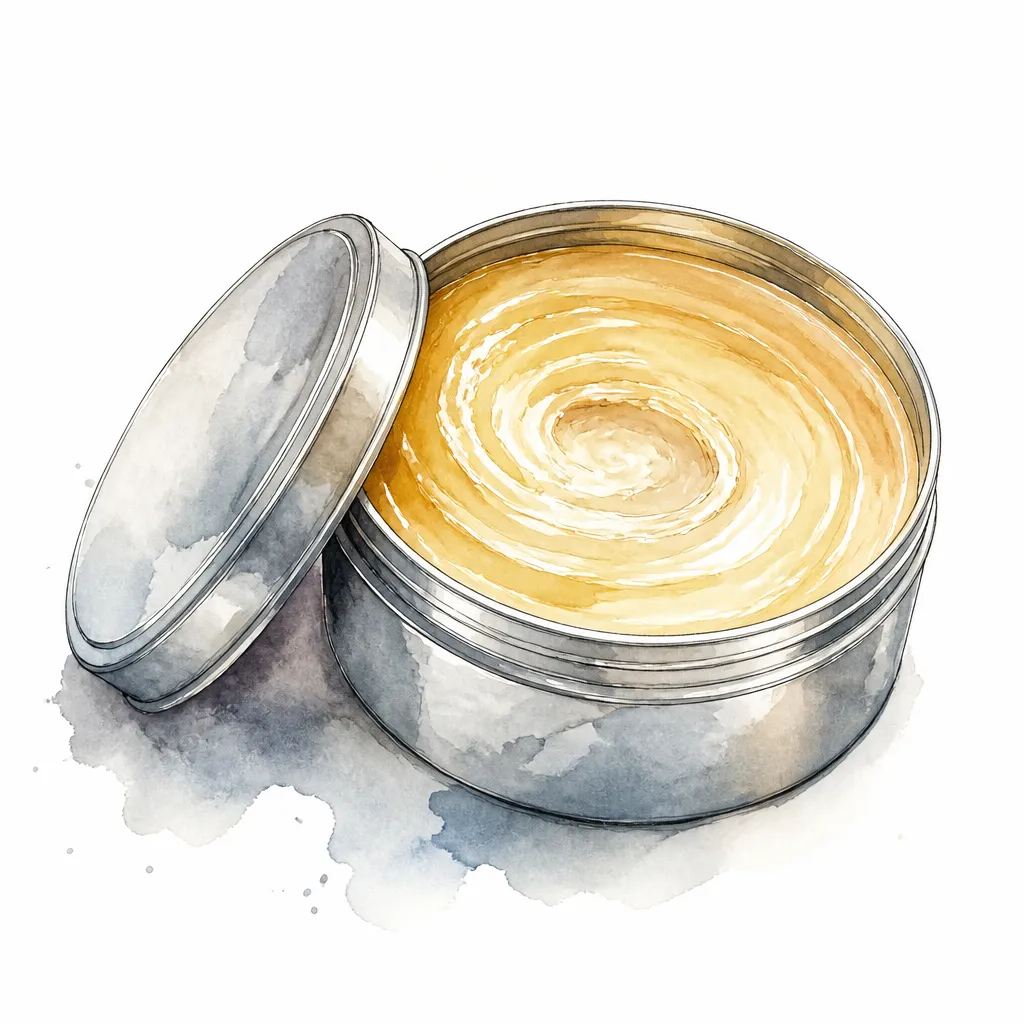
Carnauba is the original car wax. Detailers blend purified carnauba flakes with solvents and oils to make a paste or liquid, then wipe it onto clean, polished paint and buff off the residue. The cured wax forms a thin, glossy, hydrophobic film that beads water for a few weeks before breaking down. Compared to modern protection, carnauba sits at the bottom of the durability ladder: a quality wax lasts six to twelve weeks under tropical conditions, where a sealant lasts months and a ceramic coating lasts years. What carnauba still wins on is the way it looks. The natural wax adds a warm, deep, candy-like reflection to dark paint that no synthetic alternative quite matches. Most owners now use carnauba as an occasional show-day finish on top of a ceramic coating or sealant rather than as their primary protection.
Why it matters in Singapore
Singapore's heat melts carnauba faster than temperate climates do. A wax that lasts three months in Europe might last six weeks here. Owners chasing the carnauba look should treat it as a top-up over a ceramic coating, not as standalone year-round protection. Some collectors and weekend-car owners still apply carnauba between every wash for the look alone.

How Revol Carz handles this
Revol Carz can apply premium carnauba on top of a ZeTough ceramic coating for owners who want the wax look and the long-term ceramic protection together. As a standalone protection layer, carnauba is rarely the right call here.