Hydrophobic
Hydrophobic is a surface property that repels water rather than absorbing it, causing droplets to bead up and roll off instead of spreading flat.

What it means
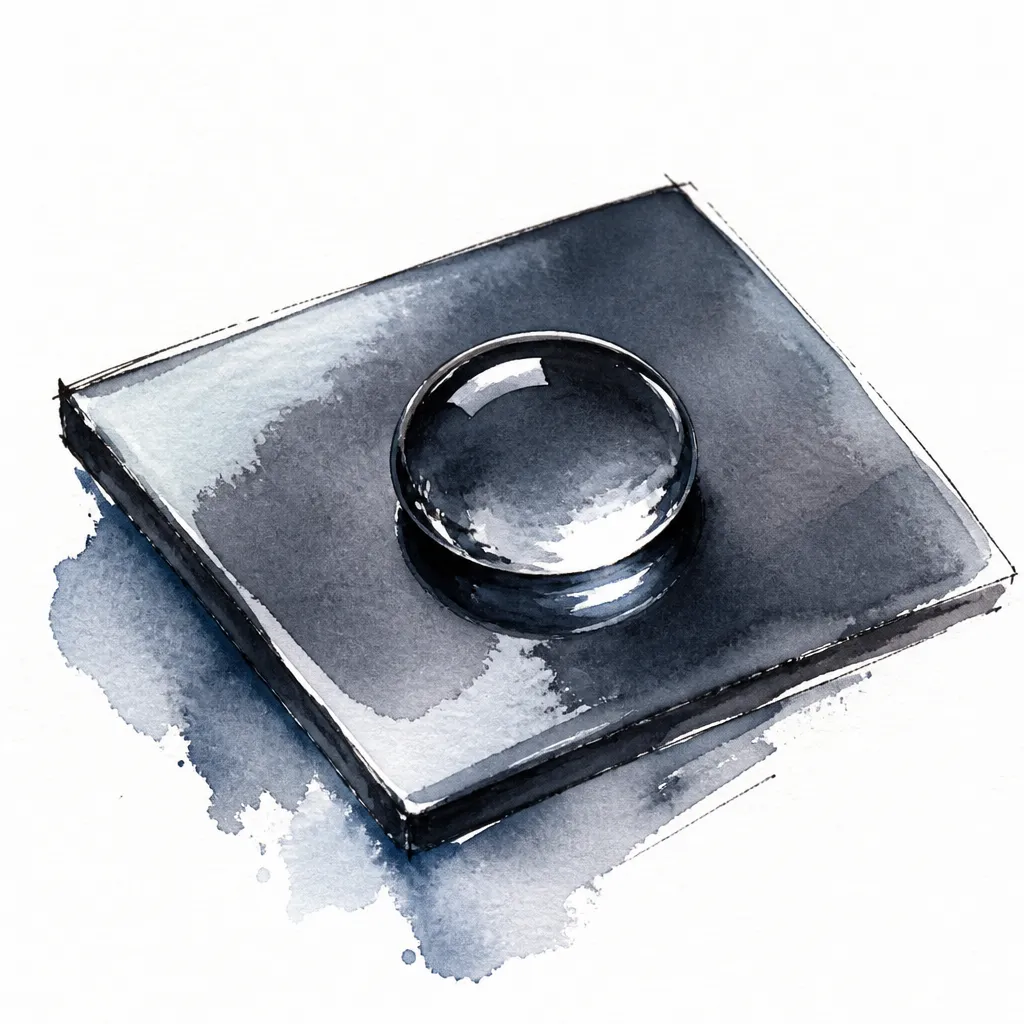
A hydrophobic surface has a low surface energy, meaning water molecules find it easier to stick to themselves than to the surface. The visible result is beading and rapid sheeting. On a car, the practical effect is that water carries dust, soot, and pollution off the panels as it rolls away, which keeps the paint cleaner between washes and reduces the time contaminants sit on the surface. Hydrophobic behaviour is a side effect of the SiO2 molecular structure that makes up modern ceramic coatings. Sealants and waxes also produce a milder hydrophobic effect, but it fades within months, while a properly applied ceramic coating keeps repelling water for years.
Why it matters in Singapore
Singapore receives roughly 2,300 mm of rain a year, much of it in short, heavy bursts. A hydrophobic coating turns that rain into a free wash cycle. Without it, water spreads flat across the panel, sits, evaporates, and leaves mineral deposits and water spots that etch into the clear coat over time. Hydrophobicity is the single most useful day-to-day property of paint protection for a Singapore-driven car.

How Revol Carz handles this
Every ZeTough package at Revol Carz is built around a strong, lasting hydrophobic effect. We confirm beading behaviour at handover, give owners a clear test to check at home, and re-evaluate hydrophobicity at every annual visit so we know when a top-up is needed.