Glaze
Glaze is a detailing product that fills and masks fine swirl marks and adds a wet-look gloss, a cosmetic effect that hides defects rather than correcting them.

What it means
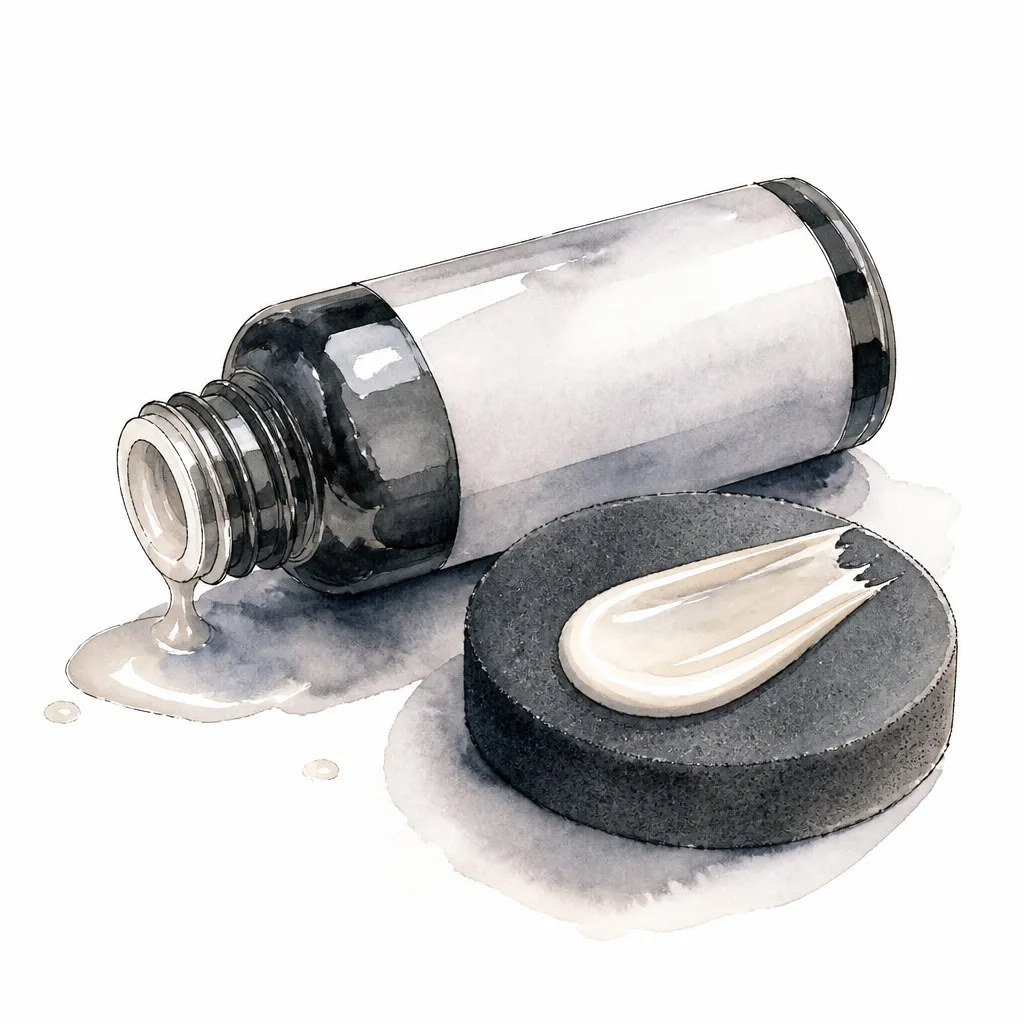
A glaze is a detailing product designed to make paint look its best for a short time. It contains oils and fillers that settle into fine swirl marks and shallow scratches, masking them and adding depth, richness, and a wet-look shine. The key thing to understand is that a glaze does not correct anything. The defects are still there, simply hidden under a thin cosmetic layer. Because that layer is not bonded or durable, the effect fades as the car is washed and exposed to the weather. Glaze is often used just before a show, a sale, or a photo shoot, sometimes applied under a wax or sealant so the finish looks flawless on the day. It is a styling step, not a protection step, and it is not a substitute for paint correction, which actually removes the defects from the clear coat.
Why it matters in Singapore
In Singapore's climate, a glaze fades quickly. Frequent washes to clear road grime, plus heat and sudden downpours, strip the oils and fillers within weeks, and the swirls reappear. For a quick sale photo this can be useful, but a buyer who inspects the car in direct sunlight after the glaze has worn off will see the real condition of the paint. It is best understood as a temporary cosmetic step.

How Revol Carz handles this
Revol Carz is upfront about the difference between hiding defects and removing them. Where a car needs lasting results, our detailers correct the paint properly so the swirls are gone, not filled. We will explain when a glaze is genuinely useful, such as a finishing touch before collection, and when paint correction is the honest answer instead.